Full article about Calvelo: Where the Lima Valley Bell Still Calls
Calvelo, Ponte de Lima—wake to the bell, walk the Camino branches, taste Dona Idalina’s corn-bread and join fiery festas.
Hide article Read full article
The bell that keeps the valley awake
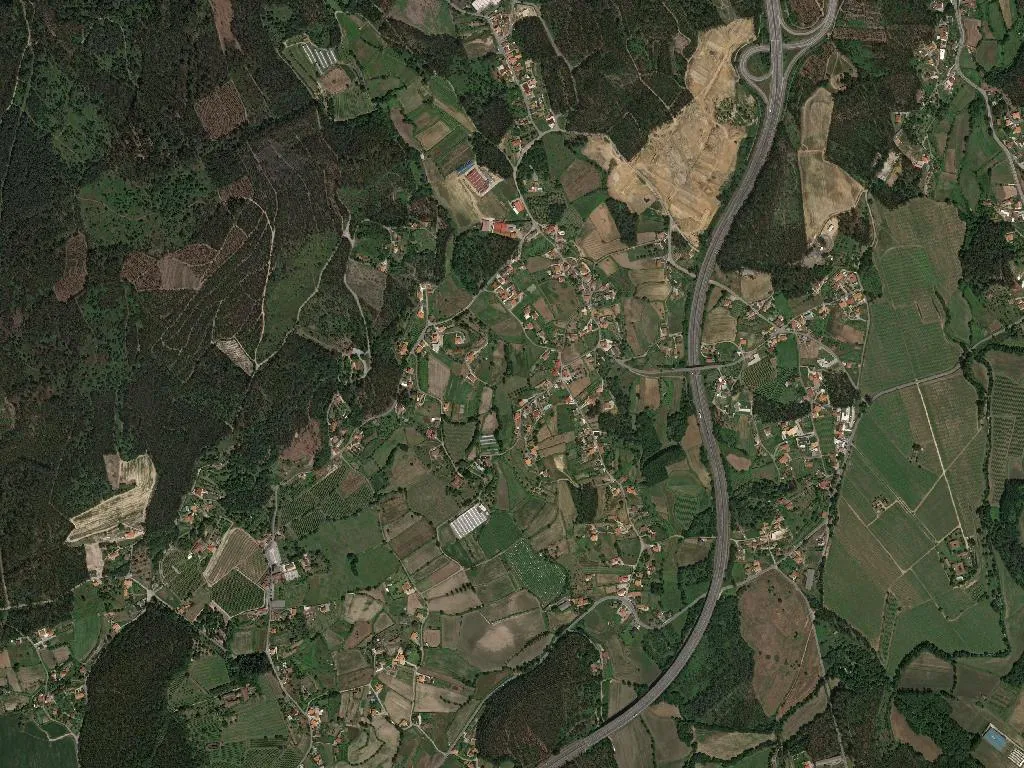
The church bell is the alarm clock nobody ordered yet everyone hears. It strikes the hour like someone anxious to finish the sentence before the Lima breeze shoulders the echo across the valley. Calvelo hangs on at 175 m, granite and vineyard locked in the sort of long marriage where neither partner can recall who moved in first.
Trails that cross rather than divide
The village intercepts two branches of the Portuguese Camino – the Central and the Nascente – like old friends who meet in the same café every morning and never quite say goodbye. There is no albergue, only three front doors that open when knocked the right way. Dona Idalina bakes corn-bread on Saturdays and pretends she does not care for Instagram, then checks her phone to see if anyone praised the crust. Zé Manel offers “a dry bed and a breakfast that will get you to Compostela”. Pilgrims post selfies with their staffs; they leave out the moment Dona Idalina quietly slips an extra slice into their pack.
Between lagoon and mountain
The Bertiandos lagoons lie ten minutes away by car, but Calvelo declines the invitation, like a neighbour who knows you own a pool and waits to be asked. Egrets glide above the trellised vines like aircraft lining up for Porto, yet no one reaches for a phone – September’s grapes matter more than likes. Locals admit the boardwalk over the wetlands is pretty; they insist the real feat of engineering is Sr Albano’s field wall, unmortared in 1937 and still refusing to lie down.
Faith in three movements
The calendar is scored by three festas that sound borrowed from a Baroque oratorio: Nossa Senhora da Boa Morte (Our Lady of the Good Death), Senhor da Saúde (Lord of Health) and Senhor do Socorro (Lord of Help). When the fireworks start, Calvelo swells from 617 to several thousand. Emigrants return with German plates parked halfway across the pavement, Lisboan daughters-in-law ask for the “modern” bathroom, and fried-chouriço smoke drifts so thick the valley feels like a smokehouse. Even the dogs fall quiet – and Calvelo dogs are famous for their opinions.
The table that faces both mountain and vale
There are no Michelin stars, only the dining room of Dona Lucinda where lunch is served at 13:00 sharp; arrive at 13:30 and you eat the next table’s leftovers. The beef is Barrosã-DOP from the uplands, the potatoes lifted that morning from the plot behind the house, the wine poured from a bottle the father-in-law was saving “for visitors”. Arroz de cabidela arrives the colour of wet earth and tastes like the Sunday your grandmother decided an old hen had stopped earning her keep. No bill appears; you leave what feels right and accept a thumb-sized bottle of bagaceira brandy “for the cold”.
When the sun slips behind the Serra d’Arga, Calvelo draws in on itself like a cat at the oven door. Sr Carlos yells across the yard that the eight-o’clock telenovela is starting; a dog barks from the hamlet opposite, another answers, and the call-and-response stitches the hills together until dinner. Sun-warmed granite exhales its stone-and-soil scent, the silence grows so dense you can hear the Lima sliding between alder trunks 500 years after the last map named it. Tomorrow will be the same – and, if you have any sense, so will you.