Full article about Estorãos: Where Three Bridges Share One Village Whisper
Estorãos (Ponte de Lima) offers granite pilgrim bridges, Baroque wheat tithe cauldrons and Loureiro-basted veal baked in wood-fired ovens
Hide article Read full article
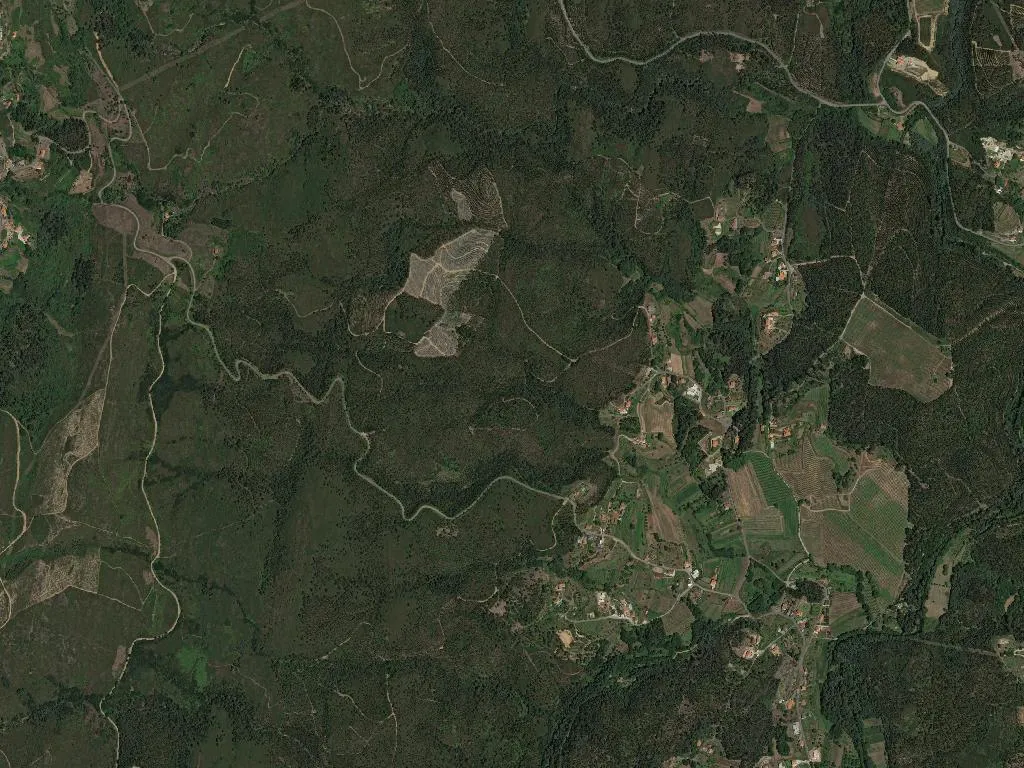
The sound arrives first: the Estorãos stream murmuring under the worn stone of Ponte de Esteiro while dawn stretches shadows through the medieval arches. In the only parish in northern Minho where three granite bridges serve the same scatter of houses, water is both neighbour and narrator. Terraces of Loureiro vines and yellow maize step down to the river, and the name Estorãos itself still carries the echo of a Roman mule-post—stauranum—where salt and iron changed hooves on the way inland.
Stone that keeps the way
The single arch of Ponte da Freixa, rebuilt in the sixteenth century and now a listed monument, carries the Portuguese Central Way of St James across the stream. Centuries of boot leather, bare soles and donkey shoes have burnished the granite into a slick bronze. Inside the Baroque mother church of São Vicente, the sacristy keeps a heavy bronze cauldron once used to mete out the wheat tithe owed to Ponte de Lima. It sits beside gilded carved-wood altarpieces and eighteenth-century azulejos, a quiet witness to an economy measured in grapes, cobs and Barrosã DOP cattle that still graze the water-meadows between 40 m and 200 m above sea level.
Calendar of processions
On the first Sunday of May the parish honours Nossa Senhora da Boa Morte. After a seventeenth-century muleteer survived a cart plunge he paid for the chapel, and the promise is renewed each year when the procession spills into the fields. The priest blesses the rye rows while woodsmoke from turnip-and-white-bean stew drifts over the damp earth. August belongs to the Lord of Health: a candle-lit procession climbs to the hilltop chapel, and in September the Lord of Rescue prompts a spirited auction of the communal sweet loaf—yeast dough baked in the village oven so the crust crackles and the crumb steams.
Tastes of soil and smoke
At Moinho, Estorãos-style roast veal—basted with house Loureiro and finished in a wood-fired oven—arrives with skin brittle as toffee and flesh the colour of wild salmon. The plate is piled with punched potatoes; arrive in January and you’ll also be offered bolo de São Vicente, a saffron-flecked sweet loaf with a hard-boiled egg buried at its heart, baked by grandmothers in industrial quantities for the patronal feast. Quinta da Lage opens its nineteenth-century stone press for tastings of Lima-sub-region vinho verde: Loureiro and Arinto that snap with green-apple acidity and the scent of rain on granite. Buy a bottle; the nearest shop shuts at six and the lane back is unlit.
Paths between hedgerow and water
The Trilho das Pontes is a four-kilometre loop perfect before lunch: start at Ponte da Freixa, climb between schist walls where maize granaries stand like granite parasols, then drop to Ponte de Esteiro. Wear old trainers—polished granite is slicker than ice. The PR4 Estorãos–Ponte de Lima is a different proposition: twelve kilometres that leave calves trembling, but reward with the Bertiandos plateau—seasonal lagoons that appear and vanish with the weather—and an ash wood where amphibians chorus after dark. You feel gloriously lost until the stream nudges you gently back to Ponte de Lima.
Local legend claims that on Twelfth Night 1934 the parish financed its first electric lights by shipping a single consignment of smoked sausages to expats in Brazil. The memory still surfaces when winter singers roam the lanes with accordions, serenading doorways for “as janeiras.” Their voices mingle with the 1910 bell that Domingos Pereira do Rego hoisted into the church tower, tolling the hour over a valley where water keeps running, indifferent, beneath the same stones it has always known.