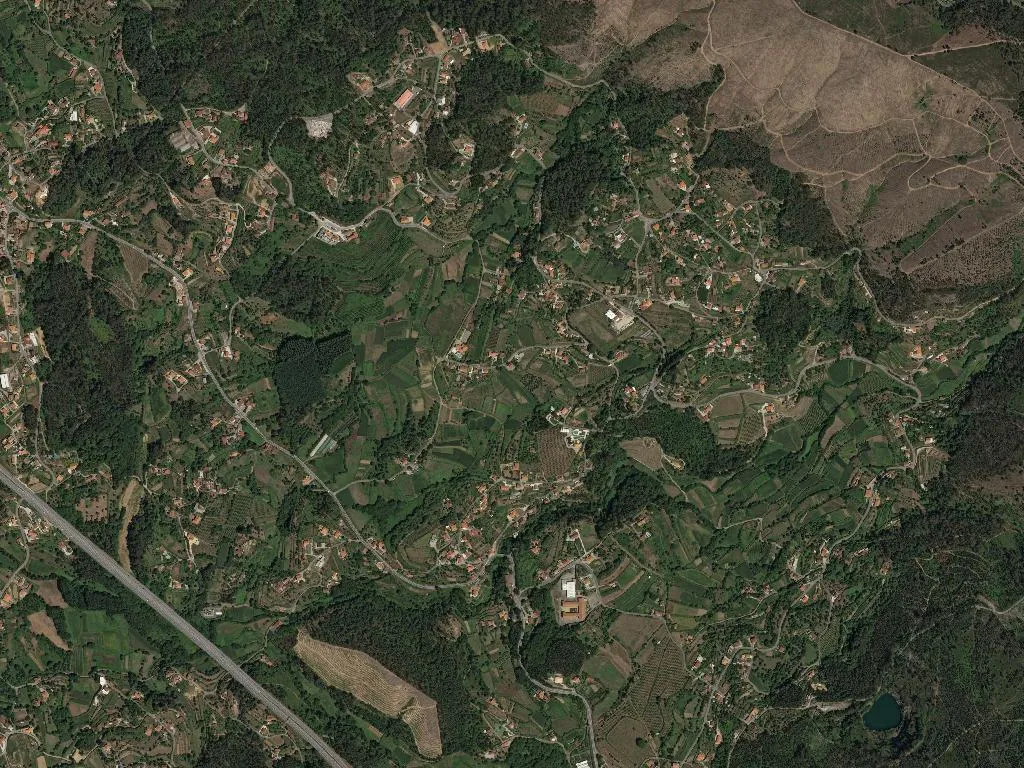
Full article about Fornelos e Queijada: Lima-mist, granite & blood-rice feasts
Bell-mist lifts off oatmeal-stone terraces as pilgrims sip 70-cent espresso en route to Santiago.
Hide article Read full article
Bell-mist at 6.30
At half-six sharp the church bell strikes, the note rolling down terraced slopes until it meets the Lima’s slow water. Fog stays until eight, tucking the vines and rye-grass terraces into a white envelope. Every wall, lintel and hearth is hewn from the same oatmeal granite; even the ten prehistoric burial mounds on Monte de Fornos share the stone, though no signposts point the way.
Stone, coats of arms and what’s shut
The magisterial 17th-century Solar da Luz still carries the Peixoto de Magalhães crest above its padlocked door; inside, the furniture is sheeted like departed guests. Across the lane, Casa de Cimo de Vila has reinvented itself as a three-bedroom guesthouse—£60 a night with cornbread, coffee and orange jam made from the courtyard tree. The parish church opens only for Sunday mattins and funerals; its 1620s statue of Our Lady of the Conception is flaking gold leaf, and the collection box is labelled bluntly: “restoration fund”.
Where two caminos meet pilgrims
The Central and Nascente routes of the Camino de Santiago converge at Café O Minho. Espresso: 70 c. Phone top-up: €1. No tariff sheet—prices are ancestral. Walkers ask the distance to the next municipal dormitory: 12 km, no bus, no taxi.
Calendar nights that swell the valley
15 August: Nossa Senhora da Boa Morte, a candle-lit procession down the lane. 6 January: Senhor da Saúde, fireworks over the vines. Third Sunday of September: Senhor do Socorro, when the parish marquee occupies the square. Draught beer €1; caipirinha €3. Grilled sardines €8 a portion; kale-and-potato soup €2. Emigrants fly in from Paris; grandchildren are introduced to fields that have turned into lawns.
Tastes that refuse to be flexible
Restaurante Sarrabulho fires up only on Wednesdays and Fridays for its namesake blood-rice stew; Thursday is devoted to cumin-scented pork shoulder. If the Barrosã cattle have reached the abattoir, steak appears; if not, it doesn’t. Vinho verde arrives in five-litre carafes. There is no menu—ask what’s cooking. Finish with D. Lourdes’ sponge: three eggs, not six, “because austerity arrived before the recipe”.
Green that never tires
The Bertiandos Lagoons nature reserve lies four kilometres east—€5 to park, herons guaranteed, otter if you’re lucky. The parish footpath between Fornelos and Queijada is shorter: 2.3 km, thirty minutes, zero fountains, zero shops. Evening brings the low bells again; Barrosã cows plod home. Bread can be bought until seven; after that, tomorrow. As for Queijada, no one remembers goat’s-cheese production—only the Intermarché eight kilometres away.