Full article about Gemieira: Where Lima’s Ghost Lagoons Mirror the Sky
Peat-bog trails, green wine vines and mist-heron dawns in tiny Gemieira, Ponte de Lima.
Hide article Read full article
The scent of damp earth and cut grass
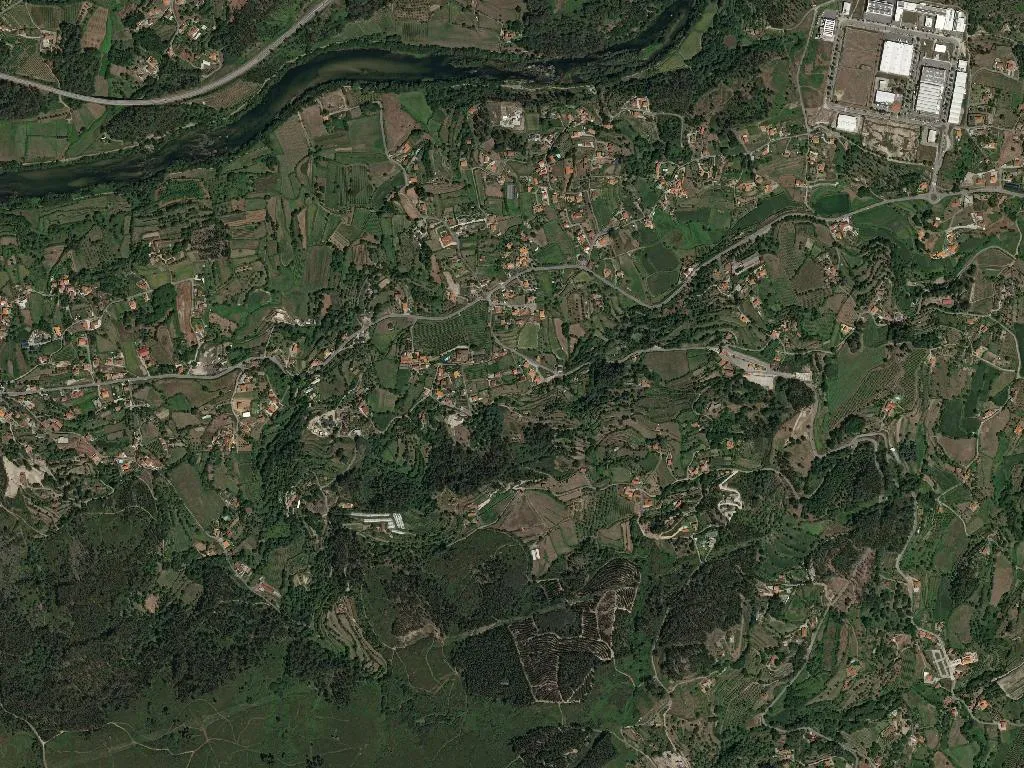
The morning air smells of soil and the swathe Mr Joaquim’s tractor has just clipped. Along the lagoon edges, mist lifts like wood-smoke from sun-warmed reeds. Herons unfold themselves with the indolence of locals who could navigate these channels blindfolded. Gemieira wakes at the pace of the river that defines it—flat paddocks the Lima invades whenever it pleases, leaving behind slick silt perfect for maize and early potatoes.
You could fold the entire parish into one palm: 400 ha, 78 m above sea-level, done. Six hundred and two inhabitants, of whom 143 already collect their pension at the village hall. Only 79 are children—just enough to keep the primary school open every other year. Still, the place is alive: commuters to Ponte de Lima, weekenders who dash to Porto, smallholders who treat their vines like elderly relatives who might expire at any moment.
Where water writes the rules
What the cartographers label “Lagoas de Bertiandos” are simply the places the Lima abandoned when it shifted course. In winter the lagoons swell until they feel like inland seas—on windless days the dabchicks out-shout the bar in the square. Spring brings mirror-calm water so polished you can read the sky’s underbelly in it. Walk carefully: the ground is peat-spongy; a single step can sink you to the knee. Silence gathers here—the sort that makes visitors cough just to be certain they still have a voice.
The same water that keeps the lagoons full slips down through the vineyards. Vines are laced to posts like yellowing lace—some high on pergolas, others tamed along wires, depending on how energetic the owner felt. In August the whole plot smells of juice straining against skins. Harvest is a sprint: straw-hatted women, men with pruning knives at the hip, children filching one last bunch before the school bell. The wine is literally green—sharp as Meyer lemon, light as well water. Served in small tumblers, it arrives with a bowl of lupins and gossip about whose tomatoes are blighted.
Three feast days, three excuses to eat
Nossa Senhora da Boa Morte (Our Lady of the Good Death—yes, really) lands in mid-August. Two weeks later comes the Senhor da Saúde, followed, in late May, by the Senhor do Socorro after the S. Bento pilgrimage has passed. On each of these Sundays the village swells to twice its size. Chouriça stuffed with last November’s pig; salpicão smoked for three weeks up Sr José’s chimney; Barrosã beef reared just up-valley in Lamaçães—fat marbled exactly where it should be. Tables snake beneath the vine trellises; grandchildren eat milk-pudding until they ache; after the third glass of espadeiro some uncle is guaranteed to launch into “Ó Minho, Minho Meu”.
The only listed monument is a granite cross beside the church: a rain-eroded saint in a niche where candles last as long as a hiccup. Gemieira has no castle, no convent, but it has the Camino. Backpackers en route to Santiago shuffle through, ask where to refill bottles, are pointed to the spring in the tiny praça—mountain-cold water that could chill a mother-in-law’s heart. Eight granite cottages now take paying guests: former threshing floors turned into heated bedrooms where breakfast brings cornbread and pumpkin jam, and the weather is discussed as if national security depended on it.
When the sun drops behind the lagoons the water turns the colour of Sr António’s heather honey. The heron stands motionless, a glass-eyed statue. At six the church bell reminds everyone that dinner is calling—its bronze note muffled by poplars, politely apologetic. Gemieira asks nothing of visitors; it simply stays put. Those who pause long enough find that time here behaves like the Lima: in no rush, but always moving.