Full article about Labruja’s laurel-scented lanes & slow-smoked chouriço
In Ponte de Lima’s granite hideaway, oak-fire steak sizzles as church bells toll
Hide article Read full article
A Smoke That Rises Like a Pencil Line
The chimney draws so cleanly that the plume looks ruled against the Minho sky. Inside the cottage kitchen, clay hooks of chouriço and salpicão blacken slowly over an open hearth, the way they have since the township logs first noted Labruja in 1095. Nothing is rushed; the sausages stay there until the parish priest, the humidity and the phases of the moon all agree.
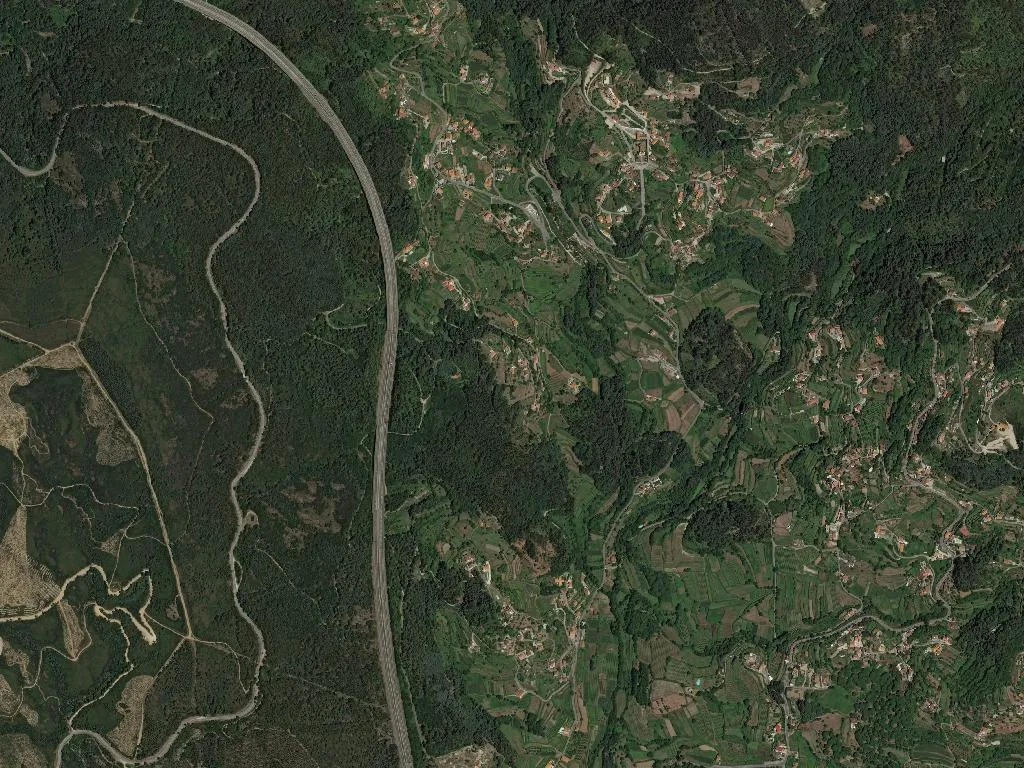
Sat-nav waves the white flag long before you reach the village: 383 inhabitants, one café, zero streetlights. Density is so low that the local Barrosã cat enjoys more square metres than a London flat-sharer. The only soundtrack is the Lima river turning pages over its stones and the bell of São Vicente, which still functions as the collective alarm clock.
Where Even the Bay Trees Have First Names
Folklore says the Romans called the place Lauru-bona—good bay tree country—and the vegetation still behaves as if it owns the deed. Laurel seedlings muscle between oak and vineyard terraces that climb the valley like irregular staircases. In 1809, Napoleonic troops camped on the Cimo de Labruja; villagers simply evaporated uphill, leaving the French to argue with granite outcrops and the rain.
The eighteenth-century mother church anchors the single square, its gilded retable flickering candle-orange so the carved saints appear to inhale. Outside, a sixteenth-century stone cross has witnessed everything from penitential processions to a neighbour’s hung-over promise never to touch aguardente again. Higher, the Chapel of the Good Death hosts the Easter Procissão da Boa Morte: torch flames bend in the Atlantic wind like guilty supplicants.
Plate of No Surrender
Local menus do not do nuance. The rule is Barrosã DOP beef or nothing: rojões darkened with paprika and wine, maize porridge stiff enough to stand a spoon in, kid goat that crackles in the wood oven. The signature posta limiana is a door-stop rump steak, grilled over oak embers until the fat edges bronze. Vinho Verde follows the weather—Loureiro on sun-splashed days, full-throat Vinhão when the valley is wrapped in Atlantic cloud. August’s sponge-cake (pão-de-ló) climbs so high the baker swears you can read next Sunday’s gospel in the rise. When the concertina strikes up, the vira dance whirls faster than the river below.
Where the Valley Becomes Sea
From the Cimo viewpoint at 350 m the Lima slides westwards all the way to the Spanish border; on clear winter mornings the Xurés peaks glint like shark’s teeth. The 5-km Lady of the Good Death footpath threads dry-stone walls thrown up by farmers who hurried back to thresh but had the patience of monks. At the lookout the wind smells of wet schist and eucalyptus, and delivers that rare Portuguese luxury: permission to do absolutely nothing.
Dusk, and the smoke column rises again. Salpicão cures, grapes swell, the river keeps its appointment with the Atlantic. In the old grain-store-turned-school—the smallest classroom in the district—granite walls still echo with children learning arithmetic by counting cobblestones. Labruja barely registers on the road map, yet occupies an disproportionate chamber of memory in anyone who lingers—if only for one more slice of sponge and one more chord from the concertina.