Full article about Poiares: Where Two Caminos Cross at Dawn
Hear pilgrim staffs on granite, taste Atlantic-cured Vinho Verde in a 737-soul Ponte de Lima hamlet
Hide article Read full article
Dawn in Poiares
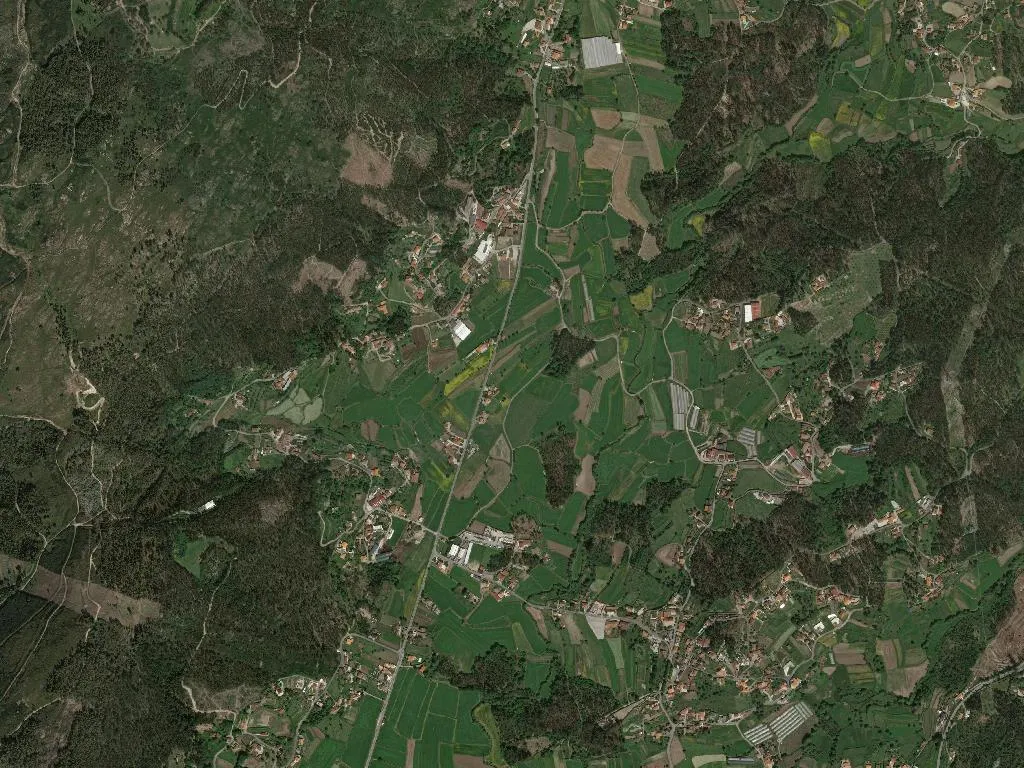
The first sound is a pilgrim’s staff skittering across granite setts. Then another. By the time the mist lifts from the vines, a loose procession has threaded through the village: backpacks from South Korea, Canada, Bavaria, following the Central Portuguese Way as it intersects with the lesser-travelled Caminho Nascente. They pass beneath houses the colour of pale honey, shutters still closed against the Atlantic damp, and disappear uphill towards the Spanish border before the church bell tolls seven. Few will remember the name Poiares by nightfall, yet for a moment the hamlet of 737 souls is the axis of two medieval routes.
Calendar of Bells
Life is measured by the liturgical year. On the last Sunday of August the Festa da Senhora da Boa Morte turns the narrow lanes into an outdoor refectory: copper pots of caldo verde, smoke curling from chouriço grills, the brass band competing with the bells of Senhor da Boa Morte’s 18th-century chapel. Between these fixed points the rhythm is agricultural. September’s fog settles thick enough to halve the daylight; by October the loureiro and arinto grapes are pressed in granite lagares for the new Vinho Verde. Tractors return from the lower terraces at the same pace their grandfathers walked behind oxen.
Where Water Hesitates
Two kilometres south the landscape loosens into the Bertiandos lagoons, a Ramsar wetland suspended between river and land. Raised boardwalks duck under grey willow and alder; in the mirrored channels, an occasional otter leaves a V-shaped wake. Kingfishers flare cobalt against the reeds. The air tastes of iron and wet moss—an Atlantic pocket of Ireland dropped into northern Portugal. Winter floods can turn the paths into temporary canals; summer shrinks the pools to dark glass, revealing the hoofprints of livestock that graze the surrounding commons.
Mountain on the Plate
Evening meals are anchored by Barrosã beef, bred in the Serra do Gerês and trucked down to the Lima valley. The cut arrives at the table still sizzling in earthenware, fat marbled like pink marble. No jus reductions or micro-herbs: just roasted potatoes that have absorbed the wood-smoke of the bread oven, and a pitcher of citrus-sharp Vinho Verde to slice through the richness. In the single tasca open mid-week, the television stays mute; conversation centres on the price of fodder and whose cow took first prize at the Ponte de Lima agricultural fair.
A Place to Breathe
Accommodation is scarce—seven low-slung cottages scattered around the parish boundary, booked mostly by birders with long lenses and couples fleeing Porto’s weekend traffic. What Poiares offers is interval rather than destination: a bench under a cork oak, the village fountain where you can refill a bottle and ease the blisters formed since Barcelos. By dusk the pilgrims have moved on, the tractors are parked, and wood smoke rises vertically in the still air. The only footsteps left are yours, echoing back from granite walls warmed by the last of the sun.