Full article about Atlantic winds sculpt Rebordões' vines into Vinho Verde
Granite farmsteads, salt-laden gales and wetland dawns shape this Ponte de Lima parish
Hide article Read full article
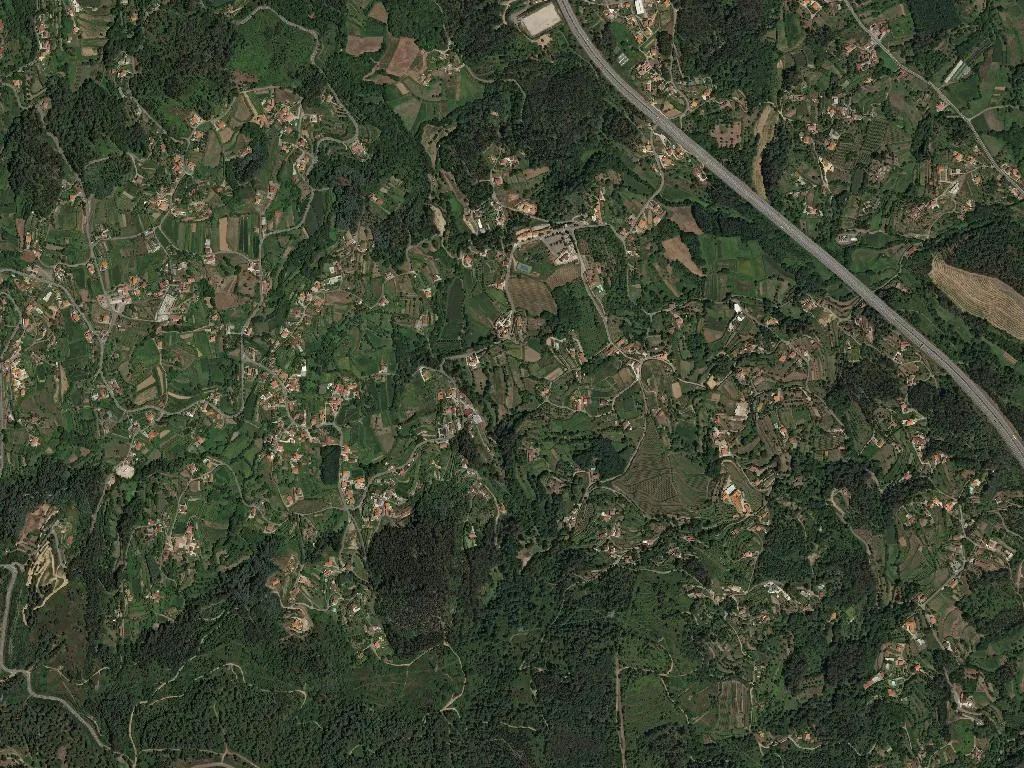
The Lima River bends like a dropped silk ribbon, and halfway through its arc the valley walls step down in a series of narrow, grassy terraces. On the lowest shelves the vines sit almost knee-high, bullied into stunted cushions by Atlantic gales that arrive salted from 40 km of sea. This is Rebordões, a parish of Ponte de Lima set at 105 m above sea level – high enough to escape the floodplain, low enough to feel every maritime breath. It is neither mountain hamlet nor riverside village, but a hinge-zone where humidity, light and granite collaborate to make the sharp, light wines that carry the Vinho Verde label.
Where water writes the rules
Five kilometres south, the Natural Monument of Bertiandos Lagoas spreads across 350 ha of freshwater mirrors, reed beds and willow carrs. Locals treat the reserve as their own wetland lung: night herons commute between the lagoon and the corn fields, and at dawn the air is thick with mist and the smell of wet alder. Walk the embankment trail at first light and the only sounds are the dip of a moorhen and the soft pop of carp rising to feed.
Back in the settlement, the architecture has been calibrated for rain that can fall, fine and constant, for a week. Walls are granite, 60 cm thick; windows are arrow-slit narrow; eaves project far enough to keep façades dry. One 16th-century chapel is listed – a plain rectangle with a granite Latin cross – but the greater heritage is the pattern of small, weather-proofed farmsteads that repeat like beads along the lanes.
Footsteps that intersect
Two St James routes cross the parish: the Central Portuguese Way and the littoral-brush variant called the Caminho Nascente. Pilgrims appear in single file, boots powdered with valley dust or caked in winter mud, depending on season. They pause at the fountains, refill plastic bottles, and vanish towards Ponte de Lima’s Roman bridge without quite breaking the afternoon doze of the village.
Religious time is marked by three festas: Nossa Senhora da Boa Morte (mid-August), Senhor da Saúde and Senhor do Socorro (successive September weekends). On each occasion the parish council closes the main road, the village band marches in brass formation, and smoke from roadside barbecues drifts through clouds of incense. Outsiders are welcome, though no one will press an invitation; participation is measured in quiet nods and the shared clink of coffee cups in the only café that bothers to open before ten.
At table
Barrosã beef, officially DOP since 1996, travels down from the high oak pastures of Trás-os-Montes yet finds some of its most discriminating buyers here. Butchers age the meat on the bone for three weeks, then cut palm-thick rib-eyes that are grilled over holm-oak embers and served with nothing more than rock salt and a quartered lemon. Locals drink it with the local white Vinho Verde – Loureiro gives lime zest and a slight petillance that scythes through beef fat. The combination is brutally simple, and none of the restaurants sees any reason to complicate it.
Living here
The 2021 census counted 1,011 residents across 7 km² of vines, allotments and scrub. Density is just high enough to keep the primary school open and to justify two grocery shops where newspapers are clipped to bamboo canes and the radio plays fado at low volume. Ageing is accelerating – 241 over-65s versus 118 under-18s – yet 15 detached houses have been restored as short-stay lets, most booked by returning emigrés from France and Luxembourg who want Augusts that smell of wet grass and bruised basil.
When the visitors leave, the enduring sound is the wind pushing through the pergola vines: a constant, green hush that rolls down the terraces and dissolves into the river’s slow, tidal pulse.