Full article about Burnt-Pine Silence of Pópulo e Ribalonga
Six granite hamlets breathe mist, memory and rosemary-scented lamb in Alijó’s high ridge
Hide article Read full article
The scent of burnt pine
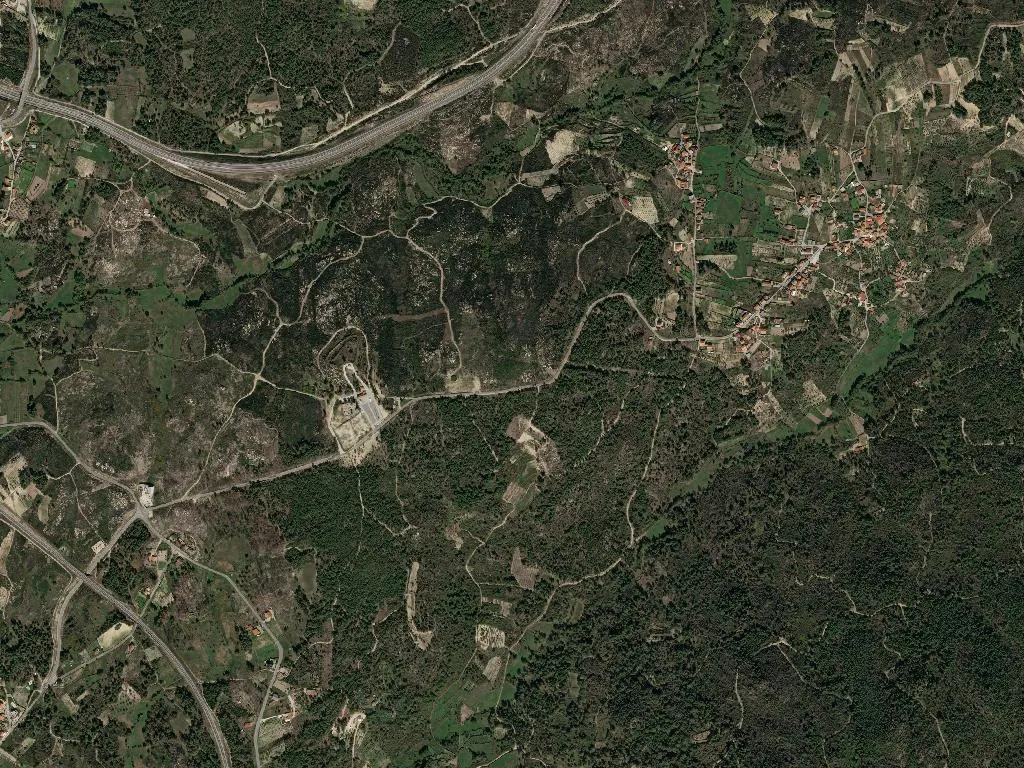
Here, the silence carries the scent of burnt pine. When the mist rolls in from the 689-metre ridge, it becomes impossible to tell where the village ends and the hill begins. The six settlements never see one another – they listen. A dog barks in Cal de Bois and Ribalonga knows it’s Zé’s black mongrel without looking. With only 409 souls spread across nineteen square kilometres, you still find them gathered at Sunday mass, in the single café, or leaning against field-gate posts.
Stones that remember
The church door in Ribalonga groans like the larder in my grandmother’s dairy. Inside, the gilded high altar feels almost indecent against the weather-beaten granite outside. In Pópulo’s tiny chapel, the painted Virgin has the heavy-lidded gaze of someone who has hauled wheat sheaves up a forty-degree slope. The pre-Roman castros are now gorse-covered humps, yet whenever a garden is turned for potatoes, foreign stones surface – quartzite hand-milled and carried here long before wheels reached the Douro.
Six hamlets, one pulse
The parish council opens when Aires fetches the bread. No advertised hours; knock on his kitchen window and he’ll stamp your paperwork between mouthfuls. The paths between settlements are pressed red earth – stout boots soon feel overdressed. Vale de Cunho lies three slow Hail Marys from Rapadoura, counted at resting-pace so no one arrives breathless.
Feasts that refuse to fade
In September, Ribalonga smells of wild blackberries and lamb turning on rosemary skewers. Women still shoulder the shrine of Nossa Senhora das Dores exactly as their mothers once carried babies to the rye fields. The brass band from Vilar de Maçada marches tunes learned at christening parties; no sheet music needed, only the memory of a grandmother’s whistle.
A Transmontana table
The cozido simmers in a cast-iron pot older than the Republic. Yesterday’s bread is toasted, then rubbed with garlic and a smoky alheira – the sausage is only ever fried at communal gatherings, never at home. Chestnuts fall from trees planted the year I was born; each November we count the holes in the soil like ring-pulls missing from a drinks crate. The wine is Douro DOC, yes, but here it’s served in straight tumblers that fit the hand, not those fish-bowl goblets that slop on the tablecloth.
At sunset, someone still walks to the lovers’ spring – not because the house tap is dry, but to watch the ridge crack the light like an egg on a skillet.