Full article about Alder smoke, honey & schist: Alturas do Barroso dawn
At 1,168 m, Boticas’ highest hamlet wakes to curing fires, ice-cold wells and trout-thrashed rivers
Hide article Read full article
The plateau is still in darkness when the tang of alder smoke curling from the village curing-houses tells me it’s Friday. At 1,168 m, Alturas do Barroso wakes to the bronchial growl of Zé Mário’s tractor, already climbing the lane for the first milking. Mist clings to the bog as tightly as rice paper; I learned, in those bogs, to tell “cold” water from “warm” simply by the pitch it makes when it hits the irrigation ditch.
Air you can taste
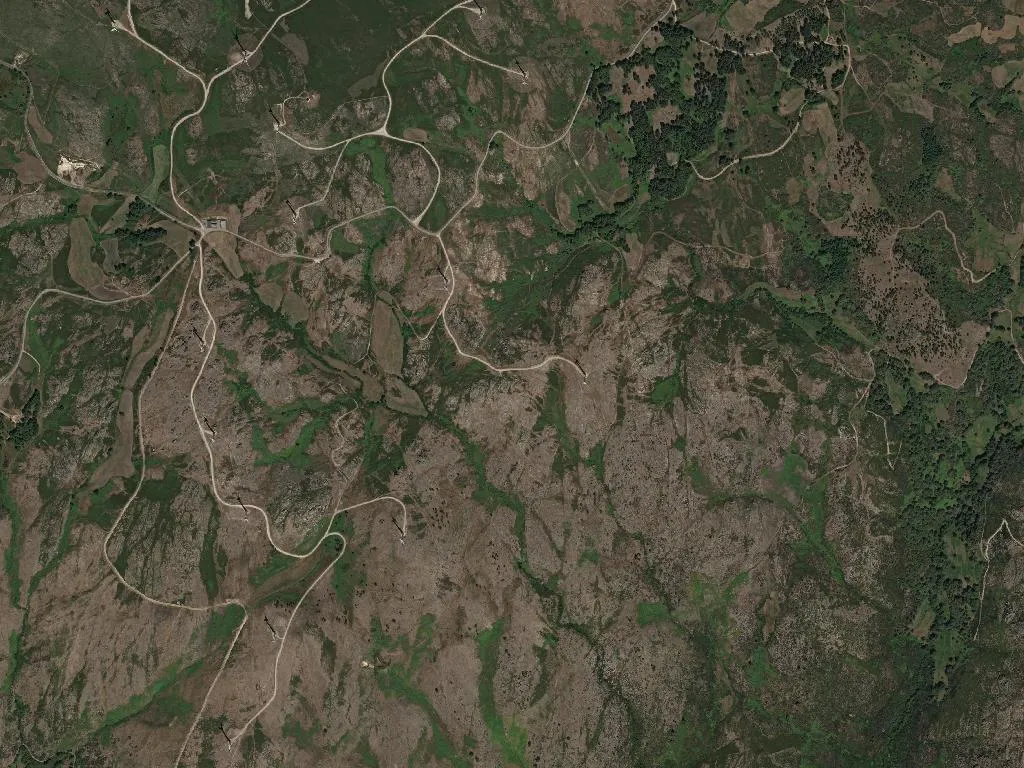
The wind tastes of myrtle and fermented grape skins. Even in August the dawn chill needles your ankles, and Crispim’s well keeps its water ice-cold until lunchtime. From the churchyard, if the day is clear, you can pick out the masts on Larouco – a ridge where the wind files the face and shepherds still use the same stone folds my grandfather did. The Beça and Terva glide downhill almost apologetically, but in April the trout force them into voice, thrashing up the gravel to spawn.
Stone, timber and the smell of bread
The granaries here are not props for photographs; they are where Joaquim’s corn dries before the descent to Vilar’s water-mill. The timber is soot-black, the door always groans in the same spot. When I walk past at dusk I still catch the ghost of my mother’s bread – the batch she leavened with beer dregs that gave a crust loud enough to crack a molar. On the crest, the chapel of São Salvador is where we walked barefoot in July, soles scorching on the schist, to hear Father Artur clear his throat before the Gospel.
Smokehouse honey
Ti Chico’s smokehouse is the first building on the right as you enter the village. Inside, hams have been curing since November; the salpicão sausage smells of garlic and rough red from half a mile away. Abílio’s honey is the colour of midnight because his bees work the strawberry-tree and the gorse. When I was sent to fetch a pot he always slid in an extra spoonful “for the road”.
Trails that hush you
The Senhor do Monte path starts behind Dona Augusta’s gate. Eight kilometres of pine resin and sweat. In winter, when snow erases the walls, the village dogs trot halfway up, pause, then turn back – they distrust prints they don’t recognise. At night the sky is so dark the Milky Way looks like spilled milk drying on slate. The old say the dead come downhill on evenings like this; I hear only the wind in the gorse and the thud of my own pulse.
When the sun drops behind my grandfather’s granary and the chimney smoke rises in perfect verticals through the still air, I remember: here time does not pass, it turns – like the millstone still grinding corn for broa, like the hoofprints in the bog that the rain rubs out only for new ones to be written tomorrow.