Full article about Ardãos e Bobadela: Where Two Bells Argue Over One Hour
Espresso is free if the barman knows your nickname, and the goat stew arrives in Coca-Cola bottles.
Hide article Read full article
The Bell’s Hesitation
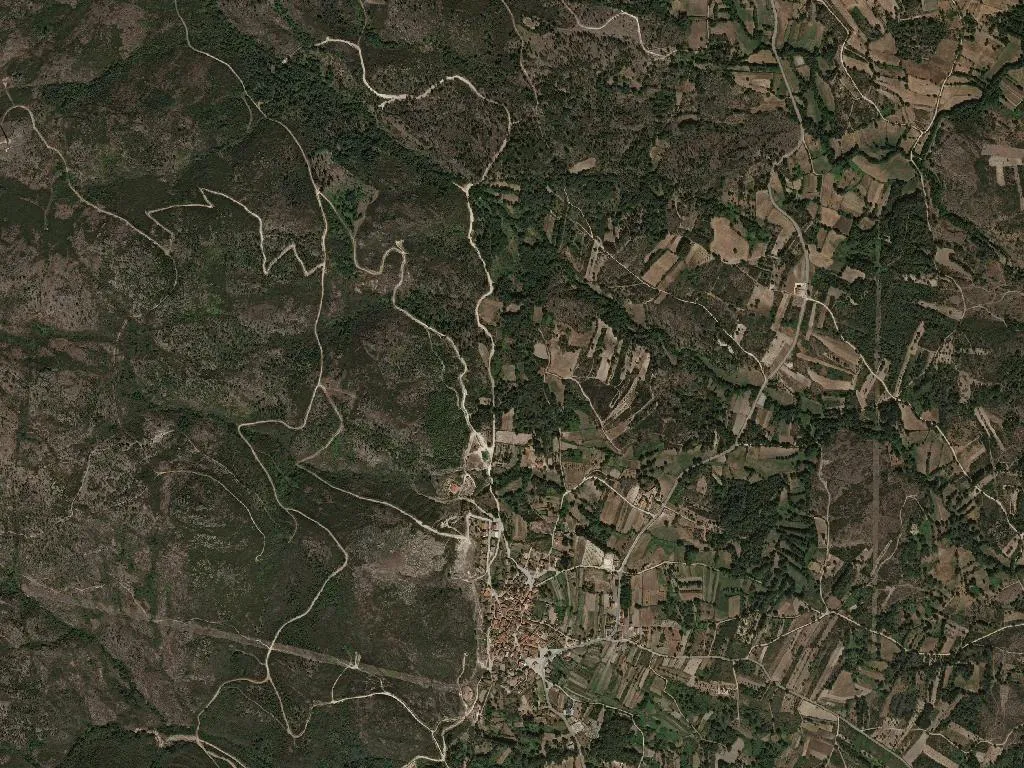
The toll of São Sebastião reaches Bobadela first, then drifts uphill to Ardãos, as though the bronze can’t decide which scatter of granite houses deserves the hour. Officially the parish totals 463 souls; in real time it’s closer to 420, because José from the tavern has been in Vila Real since April getting his diabetes seen to and no one expects him back before Christmas. Two villages, one council tax bill, yet each keeps its own bell, its own patron saint and its own café where the espresso has been on the house since 1998—provided you’re local enough to know the barman’s nickname.
Stone, wax and procession
Inside the churches the gold leaf is so bright it makes your eyes water; the candle smoke smells exactly like your grandmother’s sideboard. Neither building is a national monument—more like owning a season ticket to a mid-table football club: no privileges, but the neighbours nod. The year turns on the Romaria do Senhor do Monte. Pilgrims walk the 7 km track because Miguel’s car failed its MOT and the insurance lapsed; rucksacks are stuffed with bread baked at 4 a.m. while the rest of the parish slept. At the summit there is no 4G, only Rennie for acid reflux and a discussion of how the rain still hasn’t arrived.
Kitchen-table restaurant
Dona Rosa’s television is the reservation system. If she hears wheels on the N312 she wipes her hands on her apron and lifts the lid on the clay pot. The kid goat is indeed milk-fed—by its mother, not by a factory sack. The chanfana’s ink-black gravy will tattoo any linen cloth it meets; Silva’s wife tried to replicate it once and failed, lacking the earthenware jar Rosa inherited from her mother-in-law. Wine comes in a two-litre Coca-Cola bottle, poured into tumblers. Ask for the vintage and you’ll be stared down: “It’s last year’s, senhor, not imported from China.”
Drovers’ slabs and Maronesa cattle
The flagstone paths groan like my lumbar vertebrae—functional but musical about it. Shepherds no longer spend the whole summer in the high corrals; the lad who used to drive his flock to Gerês now has smartphone tendonitis and trades crypto. Yet coffee-coloured Maronesa cows still watch from the marshland with the moral authority of Presbyterian aunts. Silence is so complete I hear my phone vibrate in my pocket even though it’s switched off. There are no way-markers, no QR codes, only Zé Mário who, for the price of an imperial lager, will lead you to the exact spot where Teixeira mislaid his little finger to a chainsaw.
Dusk carries the smell of burning oak and the cough of Américo’s tractor, forever “just five minutes” from the mechanic. The bells ring again, slower now, as if they know that here time is not money—merely time. And time, in these parts, nobody hurries to spend.