Full article about Beça: Where Smoke Rises Like Yoga & Beef Tastes of Meadows
Beça in Boticas hides stone chapels, communal bread ovens and Maronesa beef; hike Seirrãos for tweed-patterned veiga views.
Hide article Read full article
A Column of Smoke from the Chimney
The smoke rises so straight from the chimney it looks like a man practising yoga. It is winter, the sky is the colour of a losing EuroMillions ticket, and in Vilarinho da Mó the communal oven waits for the next batch of bread. The building is mortar-free: stones laid by people who never heard of Portland cement produce the heavy, chest-brown loaves my grandmother claimed would “hold the body” until dinner.
Down below, the River Beça keeps a low profile, announcing itself only by a faint watery cough between alder roots. At 727 m the air slices the lungs and smells of split oak and wet schist – the perfume of a Sunday that has given up on church.
Stone Upon Stone, the Old-Fashioned Way
São Bartolomeu’s chapel squats exactly where it should: in the middle, like any sensible Portuguese. From the belfry the view is a staircase of narrow terraces dropping to the flood-plain. King Afonso III signed the charter in 1206 and the hamlets have clung on ever since, each with its own chapel, its own patch of dust that coats your shoes like heritage powder.
In Carvalhelhos the chapel of Santa Bárbara perches on the Iron-Age castro. Walk up, ask “Is this really it?” and the answer is a mute wall older than the Romans who later holidayed in Chaves.
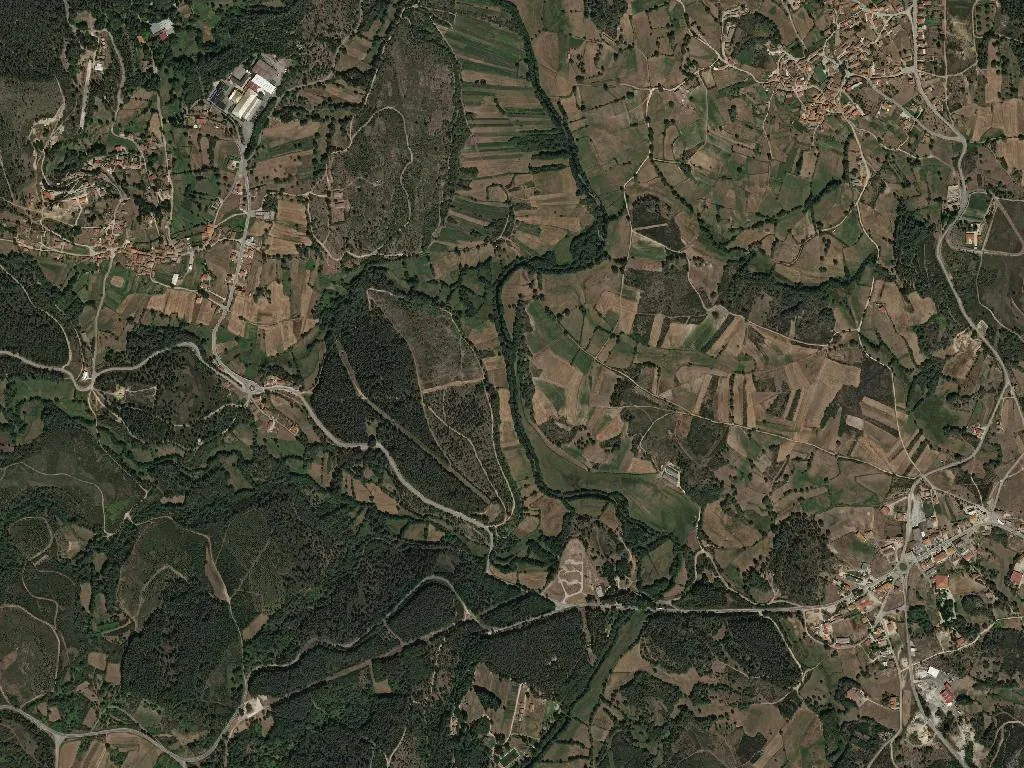
Climb to Seirrãos and you reach the attic of the entire valley. The veiga of Boticas unrolls below like a tweed jacket patched with greens and browns, cross-stitched by dry-stone walls my father called “story walls” – every slab a paragraph. The name Seirrãos comes from seiras, the temporary rye stacks that used to migrate from field to field, year on year. Much like my overdraft.
What Lands on the Plate
Do not expect foam or fusion. You eat what the ground approves.
Carne Maronesa is not a marketing label; it is beef from Maronesa cattle that spend their days grazing and contemplating existentialism. It arrives at the table black-edged, rose-centred, tasting of the marshy meadows it wandered through. Kid goat is roasted over a wood fire until the skin crackles like thin ice and the potatoes underneath have soaked up every juice.
Inside the fumeiros the charcuterie is acquiring attitude: chouriça, salpicão, blood sausage, and the pumpkin-coloured chouriço that matches Braga’s football strip. Barroso ham waits patiently – something we humans have forgotten how to do. The honey is the colour of a late-afternoon G&T and carries the moor-sweet breath of heather and chestnut blossom. Officially it’s DOP; locally it’s DOB – Denominação de Origem de Beça.
Processions and Other Excuses for a Gathering
On the last Sunday of July the town climbs to Senhor do Monte before the cockerel clears its throat. Some walk for grace, others for gossip, everyone for calories. Paths thicken with people who meet once a year and pretend they didn’t see one another twelve months ago.
Between the Festa da Livração and São Sebastião there is always a dance where accordions strike up tunes the crowd claims not to know, yet even the priest taps the beat with his walking stick.
Paths Only Locals Trust
The footpaths linking the ten villages have no signs. Ask José and he’ll say: “Follow the levada, turn at the mill, keep going till you’re bored.” In Quintas you still tread the ruts of the Roman road – stones worn by second-century sandals and by today’s wellies in search of mushrooms.
The Beça loops through alder galleries where willows make green umbrellas. Bring a rod if you fish; bring a book if you simply want an alibi for doing nothing.
By dusk the chimneys resume their vertical yoga, one by one, as if the parish were smoking a final cigarette before bed. São Bartolomeu’s bell strikes six; the echo shuttles between slopes, and Beça stays put – stubborn as bedrock, quiet as water.