Full article about Oak-smoked Boticas e Granja: granite, hams & miracles
From Paleolithic boulders to azulejo chapels, two Barroso villages duel with bells, bows and driftin
Hide article Read full article
Oak smoke and granite stories
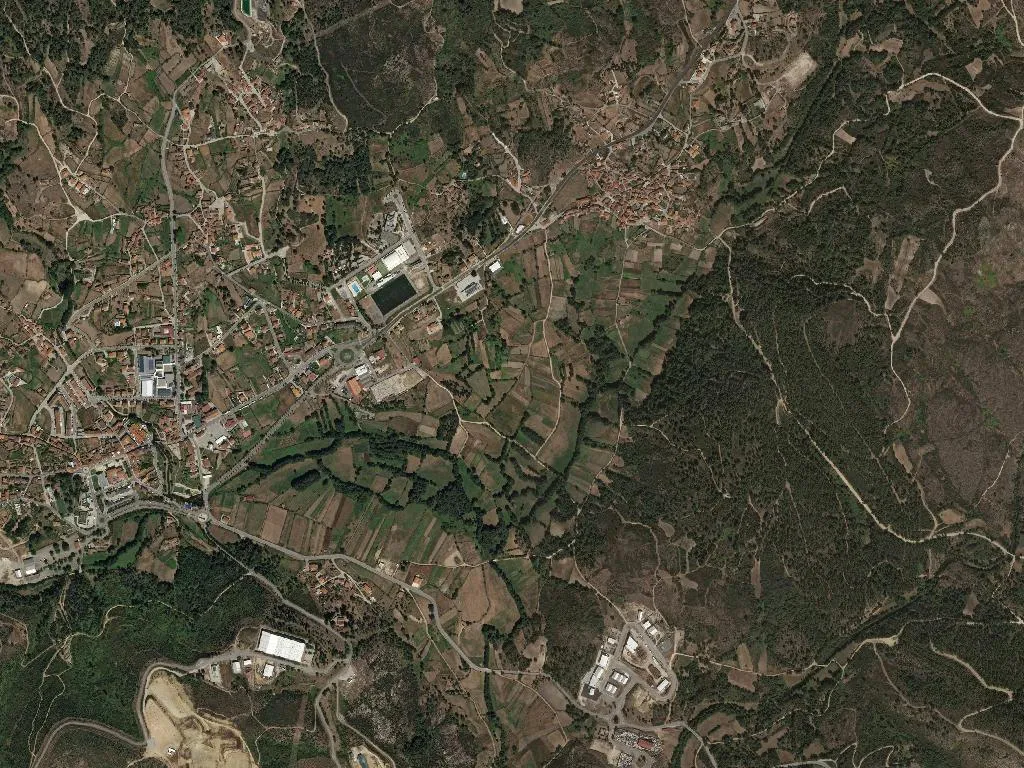
Oak smoke arrives before the village does. It climbs the hillside on the breeze, announcing Boticas e Granja long before the first granite wall appears. Inside the fumeiros that punctuate the slope, Barroso hams inhale slow draughts of oak, their surfaces lacquered by weeks of fugitive smoke escaping through chinks in two-foot-thick stone. Down at the Terva, water polishes Paleolithic boulders and carries the resinous breath of the surrounding heath. We are 485 m above sea level, in a landscape rumpled like a dropped cloth, every fold stitched with the dry-stone seams of medieval field walls.
Where stone keeps the minutes
The Ponte de Boticas crosses the Terva on seven centuries of squat granite arches. Merchants bound for Braga once clattered over its worn ribs; pilgrims bound for Santiago still do. The name of the place itself is a relic—Boticas once signified an apothecary’s shop where mountain herbs were dispensed to feverish travellers. Inside the parish church, gilded 18th-century woodcarving catches the late sun and throws it back in flakes of light. A mile away, in Granja, blue-and-white azulejos in the chapel of Nossa Senhora da Livração run through the entire life of the Virgin panel by panel, a comic-strip theology from 1750.
Between the two villages a friendly rivalry survives, expressed in summer archery contests and the alternating boom of fireworks for each hamlet’s patron-saint day. Granite espigueiros—narrow, stone-roofed granaries on stilts—still dot the fields, their tiny doors facing east to foil the mice. Local builders continue to make them the pre-concrete way, grandfathers instructing grandsons how to lock each slab without mortar.
A calendar of bells and embers
January: São Sebastião’s bonfires spit resin into the night, and a parish priest sprinkles holy water on shaggy Barrosã cattle while their owners’ breath turns to crystal.
May: white-clad pilgrims walk the cobbled lane up to the Senhor do Monte sanctuary, boots scuffing quartz that once paid Moorish tithes.
August: the feast of Nossa Senhora da Livração turns rye stubble into a corridor of torches; the village band strikes up a chamarrita at dusk and doesn’t stop until the sky pales.
September: ox-carts creak to S. Salvador do Mundo for the last romaria of the year, singers improvising décimas under linen awnings while wheels of rye bread change hands.
At the table of the Barroso
In the tascas along Rua Dr. António José Ferreira, kid goat from local herds spends four hours in a wood oven until the skin blisters like parchment and the meat beneath stays rose and juice-heavy. Veal from free-ranging maronesa cows arrives as thick postas, seared hard then simmered with potatoes that drink the gravy like sponges. From the rafters of every smokehouse hang links of pumpkin-orange chouriça, peppery salpicão and midnight-black morcela, each labelled in chalk with its curing date. Pourings of dark, trincadeira-based wine cut the fat; follow with honey from indigenous Barroso bees dripped over warm broa de milho, and the afternoon quietly slips away.
Trails of water and hoof-print
The Terva trail follows its namesake stream for eight kilometres, detouring past restored water-mills where the paddles still turn if the flow is high. Alder and ash shade the path; maize terraces alternate with chestnut coppice where wild boar root for acorns. Climb the Leiranco ridge and the view opens onto a slate-roofed patchwork stitched by dry-stone walls, the same pattern visible in 16th-century municipal maps. Further up, heather gives way to gorse; fox prints cross the mud, and a sudden burst of clattering wings betrays a covey of red-legged partridge.
During October’s potato harvest visitors are handed a fork and invited to unearth the pink-skinned tubers, cold earth under fingernails, the field measured in laughter rather than hectares. In February the caretos descend—local lads in hand-carved wooden masks, jackets sewn with rainbow wool tassels, clanging cowbells against the winter silence. Their permission to cause mischief lasts exactly one day; by dusk the masks hang back on kitchen walls, and the village reverts to the hush of flowing water and settling smoke.
Evening brings a soft collision of mist and smoke rising off the river. The church bell rings once, twice, its bronze note rolling between granite shoulders, calling the day home. In Boticas e Granja time is not kept by clocks but by curing hams, ripening rye and the slow toll of a bell that has measured life since before the kingdom of Portugal itself.