Full article about Sapiãos: smoke, granite & memory above the Tâmega
Sapiãos, Boticas: 397 souls, four processions, oak-smoked presunto and Maronesa beef served in granite silence.
Hide article Read full article
Smoke at dawn
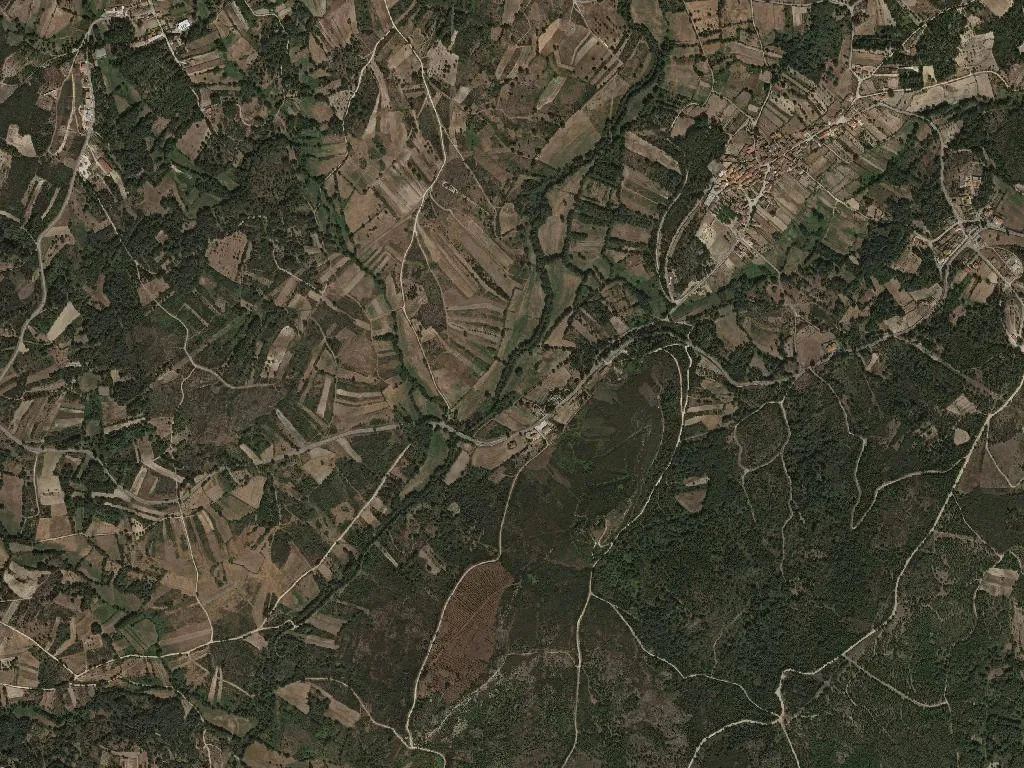
The fumeiros exhale first. Thin ropes of oak-scented smoke unspool above the slate roofs of Sapiãos while the valley is still charcoal-grey, the River Tâmega a faint whisper below. At 509 m, granite outcrops glint between meadows still stiff with frost; oak foliage holds its winter rust, a foil for the newly-turned earth of small plots that step down towards the water. Only 397 people are registered to this parish of Boticas, yet every bend in the EN 312, every waist-high wall of loose stone, is indexed in local memory. Demography tells the rest: 160 residents over 65, just 16 under 15. Silence here has weight, the accumulated labour of generations who learned to coax sustenance from thin, cold soil.
Calendar of belief
Four processions still punctuate the agricultural year. On the last Sunday of August, Nossa Senhora da Livração draws tractors and mopeds behind a single brass band; fireworks bounce off the granite bluff at dawn. Winter belongs to São Sebastião (20 January) when the faithful queue outside the sixteenth-century chapel to have their candles lit from one taper that allegedly never goes out. The heaviest footfall comes in May for the Romaria ao Senhor do Monte: pilgrims climb the 3 km mule track from the bridge, each carrying bread still warm from home ovens. During these weekends the smokehouses open their doors and butchers work by sight: presunto sliced sheer enough to read through, salpicão hacked into ivory coins, chouriça whose paprika-stained fat has set like sealing wax.
Memory served on a plate
Local cuisine is less menu than archive. Carne Maronesa DOP – mahogany-coloured beef from long-horned cattle that graze the sierra for nine months – arrives tasting of heather and wild rosemary. Cabrito de Barroso IGP kid is slow-roasted on a spit of bay and birch until the skin fractures like caramel. Trás-os-Montes potatoes, oval and butter-yellow, are tipped straight onto the coals, their skins stippled with ash. In November the last pumpkins are hollowed, grated and folded into Chouriça de Abóbora, a sweet-smoked sausage that balances winter squash, garlic and mountain pepper; Barroso honey, guarded in comb until the heather blooms, finishes the meal with notes of chestnut blossom and peat.
The heft of days
Walk the parish lanes at dusk and you measure distance in breaths: stone granaries on stilts, threshing circles now bright with lichen, wells so shallow they double as sky mirrors. Population density – 18.82 souls per km² – translates into elbow-room; conversations pause to let river mist pass. In summer, granite stores heat until long after the sun has slipped behind Larouco peak; in winter, fog rises like milk, erasing contour lines so completely that hoof-beats arrive before the horse is seen. By late afternoon the fumeiros fire up again, the perfume of curing pork braiding with damp moss and woodsmoke. Nothing here is in a hurry except the river, and even that slows when it reaches the old bridge, as if remembering how to stay.