Full article about Anelhe: Smoke, Slate & Slow-Dawn Aromas
Granite hamlets, pilgrim trails and oak-smoked alheira at 488 m in Trás-os-Montes
Hide article Read full article
The Quiet Awakening of Anelhe
Smoke rises straight from the chimney before dissolving into the cold morning air. Here, at 488 metres above sea level, the granite of the houses retains the warmth of the previous night while the slate roofs still gleam with the morning dew. Anelhe stirs slowly, in time with the 444 residents who know every bend in the lane, every wooden gate, every bell that tolls the hour from the church tower.
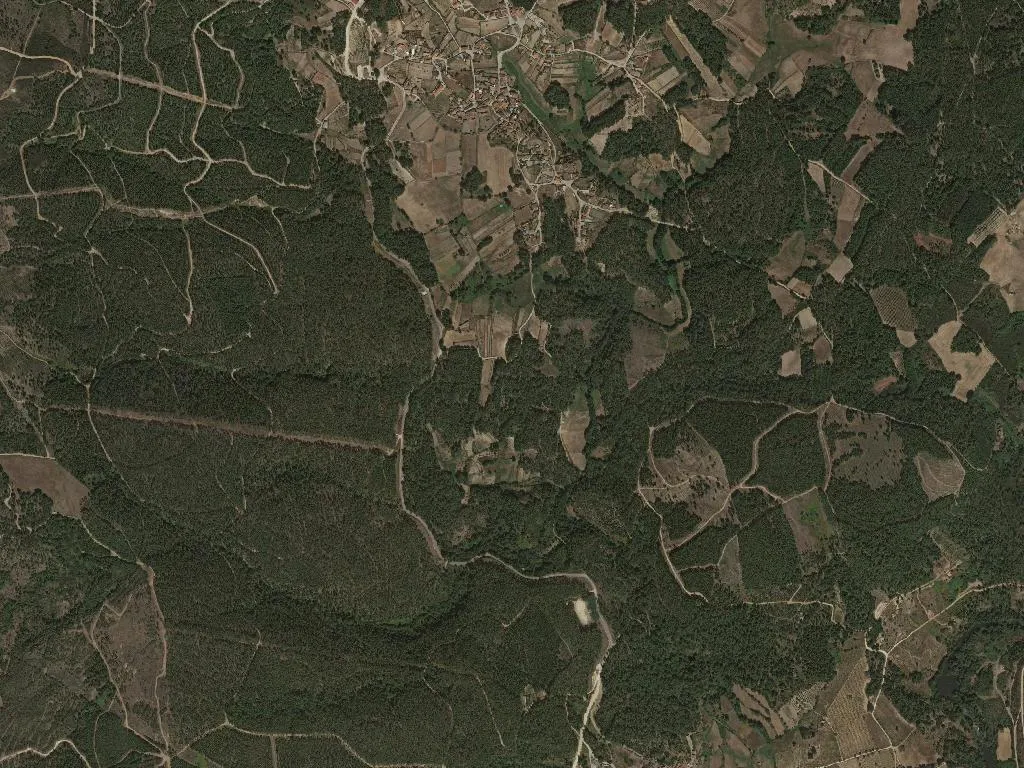
The Transmontano landscape unfurls in gentle folds—fields stitched together by dry-stone walls, solitary oaks that have learnt to lean into the wind, packed-earth tracks that snake through the parish’s 1,248 hectares. This is ancient thoroughfare: two branches of the Portuguese Camino—Via Lusitana and Caminho Nascente—still bruise the ground with pilgrim boots, raising pale dust in August or sinking into winter mud. Walk early, before nine; the snakes are still drowsy and the day’s dust has yet to rise.
A plate that tastes of Barroso
Local gastronomy is not folklore—it is certified identity. Seventeen products with protected origin or geographical indication are born or pass through this micro-territory. Alheira de Barroso–Montalegre smokes in kitchen grates, Carne Maronesa sizzles over oak embers, Cabrito de Barroso slow-roasts in wood-fired ovens. Come autumn, Castanha da Terra Fria slips into tray bakes, Barroso honey sweetens sponge cakes, hams cure in dark smokehouses where time is measured in months.
The only concession to Chaves, the municipal capital, is the flaky Pastel de Chaves that appears on fair days. Everything else is born of soil and labour: Chouriça de Carne, Salpicão, blood sausage, even a pumpkin chorizo that keeps the memory of summer sweetness. Each charcuterie tells the story of a free-roaming Bísaro pig, of recipes passed from grandmother to granddaughter, of unhurried hands. Knock at Sr Arménio’s house just before the village sign; no plaque, but he will know you have come to eat.
The arithmetic of vanishing
Forty-four children race between 119 elders. The equation is brutal: 35 inhabitants per square kilometre speaks louder than any policy paper on rural decline. Empty houses multiply—some boarded up, others still curtained as if someone might return—while bramble and broom advance across once-grazed terraces. Yet a single guesthouse refuses the script. Dona Amélia, retired primary-school teacher, lets two ample rooms and serves breakfast worth the detour: her own doce de leite stirred in her mother’s copper pan.
Trás-os-Montes’ demarcated wine region reaches this far north, though vines are outliers in a scenery dominated by silence. January afternoons arrive thick and damp; cold settles in the marrow and chimney smoke draws vertical charcoal against a pewter sky. Pack a heavyweight wool coat—here the cold is a trespasser that enters through the door and leaves through the mouth.
Dusk drops early among the hills. Oblique end-of-day light gilds the granite for minutes only—the instant your friend will later swear looks like a painting. Then the cold snaps shut and doors close. What remains is a distant dog, the scent of burnt logs, the certainty that tomorrow will be the same—and that, in Anelhe, is not a complaint. It is simply the cadence of a land no one has ever managed to hurry.