Full article about Curalha: Where Chimneys Whisper in Granite
Winter fog, oak-smoke and two-year cured porco bísaro perfume Trás-os-Montes' loneliest village.
Hide article Read full article
Smoke Signals
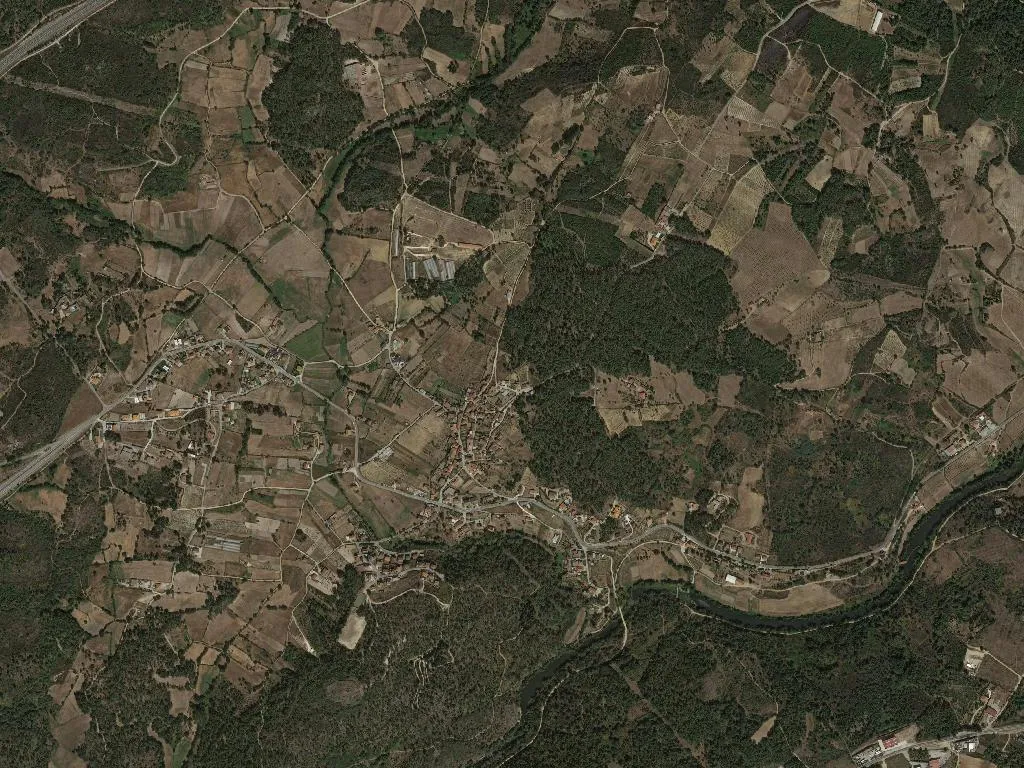
Curalha wakes before the light. By 5 a.m. the first fires are lit, and thin cords of oak-smoke rise from granite roofs into the winter sky. At 420 m above sea-level the air is iron-cold; the village sits in its own micro-climate of fog that can linger for weeks. From a distance you read the place by its plumes – white for bread, blue for sausages, none at all and the house is already empty.
What the Hands Remember
The parish counts 416 souls on paper. Stand in the single street after nine o’clock and you will meet perhaps three: the baker delivering broa baked in a wood oven fired with vine prunings, a woman in men's boots fetching kindling, and the parish councillor who keeps the key to the Casa do Povo should a stray pilgrim need the floor. The rest are inside, tending the fumeiro – the smoke-room that functions as larder, altar and calendar. Here the porco bísaro (the autochthonous Transmontano pig) becomes presunto and salpicão, darkening for two winters until the meat tastes of resin, fog and time. Nothing is labelled “artisan”; the salt is rubbed in because the electric salting drum broke in 2021 and no one ordered the part. Instagram has not found this address.
Footprints that Pass Through
Two spurs of the Caminho de Santiago cross the village, but they are not the polished Portuguese coastal route. Way-markers appear only when the paint hasn’t peeled off, and the yellow arrows sometimes point at stone walls where gates have vanished. Pilgrims emerge from the birch woods looking faintly surprised, ask the baker in Vidago if “it’s still far”, and receive the regional reply: “logo se vê” – we’ll see. Those allowed to sleep in the Casa do Povo will find a 1970s calendar, a paraffin heater and a visitors’ book whose last entry reads, simply, “Too much silence”.
At dusk the granite façades flare briefly orange, and the smoke columns rise again. They are the village’s Morse code: still here, still here. One day the chimneys will cool, but not yet.