Full article about Loivos & Póvoa de Agrações: Dawn Bells in a Granite Slit
Taste wet-earth dawns, pack-horse bridge chestnuts, pilgrim bread baked in Loivos e Póvoa de Agrações, Chaves.
Hide article Read full article
A Dawn that Smells of Damp Earth and Dead Fire
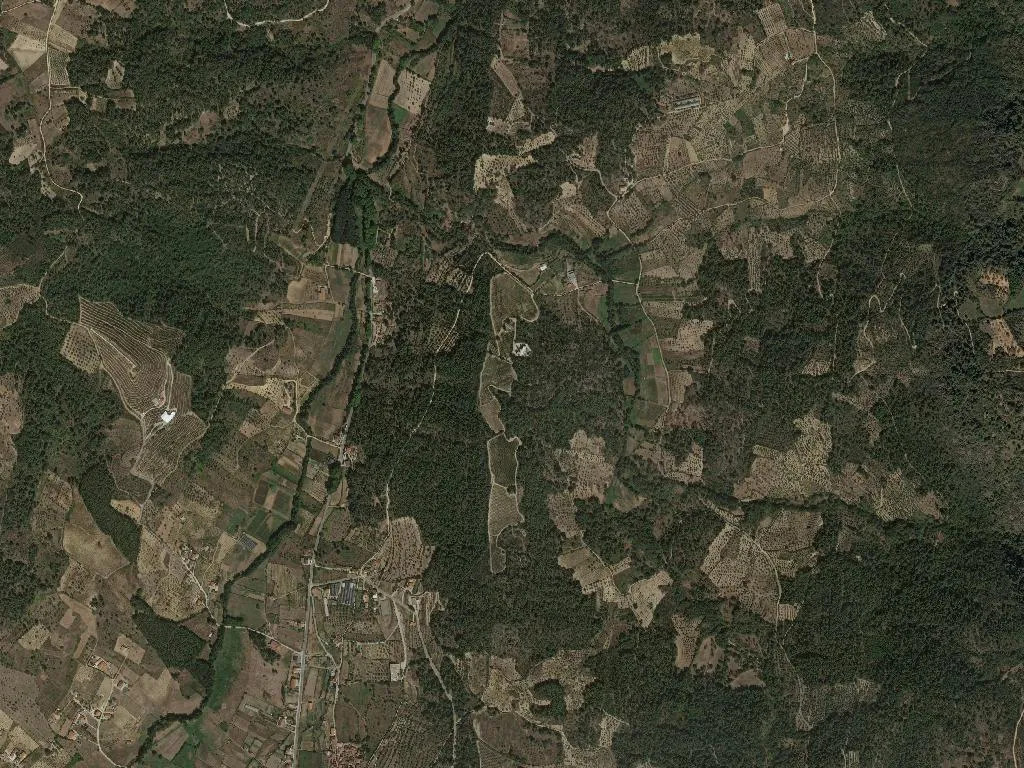
The morning arrives tasting of wet soil and the ghost of last night’s hearth. Mist slips down from the Viso ridge, prowls across the slate roofs, then drops into the Tâmega gorge where the river is so far below that only the dogs hear it. This is not a valley; it is a slit between two granite shoulders, 503 m above sea level, and the bell you hear belongs to Loivos. At seven-thirty it is answered by Póvoa’s bell, two asynchronous notes the elders can still separate with their eyes shut.
Two Villages, One Road
They were merged by a 2013 parish reform, but the sign is easy to miss. The M528 bends at Rossio meadow and, without ceremony, you have crossed into Póvoa de Agrações. Loivos keeps the bandstand and the granite bench where the baker’s boy smokes a last rollup before unlocking at six. Póvoa keeps the stone washing-tank—its water turned off since the 1990s when rats moved in. Between them stands the only monument either village claims: a pack-horse bridge over the Agrações stream, two shale arches without parapets, where a natterjack toad listens to tractors grinding uphill.
Way-markers for Pilgrims Who Look Closely
The Caminho Nascente—the eastern arm of the Portuguese route to Santiago—enters at Portela do Viso, descends an asphalt patch the parish never quite levelled, then follows the old cart track boys still use for badgering. There is no yellow arrow on stone; instead a blue jerry-can lid is nailed to a poplar and a postcard of the cathedral is taped inside Amélia’s grocery, between the salt cod and the rose-coloured sugar cones. Walkers wanting a bed knock at Dona Alda’s: breakfast is taken in her courtyard—milk heated in a clay mug and millet bread her husband fetches from Chaves while the night sky is still ink.
Smoke, Chestnuts and Meat that Shares a Surname
In the cellar, chouriço links swing above a chestnut-wood fire for three months until the beams wear the perfume of paprika and resin. Zé Múcio’s alheira is tinted with local sweet pepper because he likes it that way, not because a recipe told him. When October’s first rain drums on the corrugated roof, villagers drive uphill to Padrela’s seasonal stall, return with watering-can loads of chestnuts and roast them in the bakery’s brick tunnel, door ajar to keep the burnt-shell aroma inside. The beef is called maronesa—an indigenous, chestnut-coloured breed that grazes the communal fields of Loivos. On slaughter day Sequeira telephones half the parish; legs of lamb still change hands for bottles of Vinho Verde.
The Quiet Ledger of Departures
Loivos primary school closed in 2009. The map of Portugal still clings to the classroom wall, curling at the corners. Children now catch the seven o’clock bus to Chaves, the same coach that takes pensioners to the health centre on Tuesdays. Officially 586 people remain; in practice far fewer. Some houses have their keys turned in the lock since the eldest son left for Lyon; vegetable plots are tilled only at weekends when grandchildren drive down from Porto. Yet Sunday summons football to Póvoa’s pitch—grandfathers play in flat caps while the parish grill sells bifanas for a euro, the pork steak dripping into crusty carcaça rolls.
Textures of an Afternoon
At four the sun slides down the slope and strikes the cistern wall, warming the schist until it exhales a scent of dust and warm lizards. You cannot see the Tâmega, but you feel it in the damp air riding up the Servo track with the slow clack of cowbells heading for water. No noticeboard is required: follow the smell of fresh stubble when Adelino irrigates his millet, or listen for Horácio’s welding torch that ricochets through the valley like a mechanical cicada. When the bell tolls again—eight uneven notes—the russet mongrel belonging to the ironmonger always howls one beat late, as if bidding farewell to sound itself.