Full article about Oura: Ham Smoke & Chestnut Silence Above Chaves
In Oura, Barroso IGP ham cures in oak smoke while 515 villagers trade Padrela chestnuts and Maronesa
Hide article Read full article
Smoke Signals
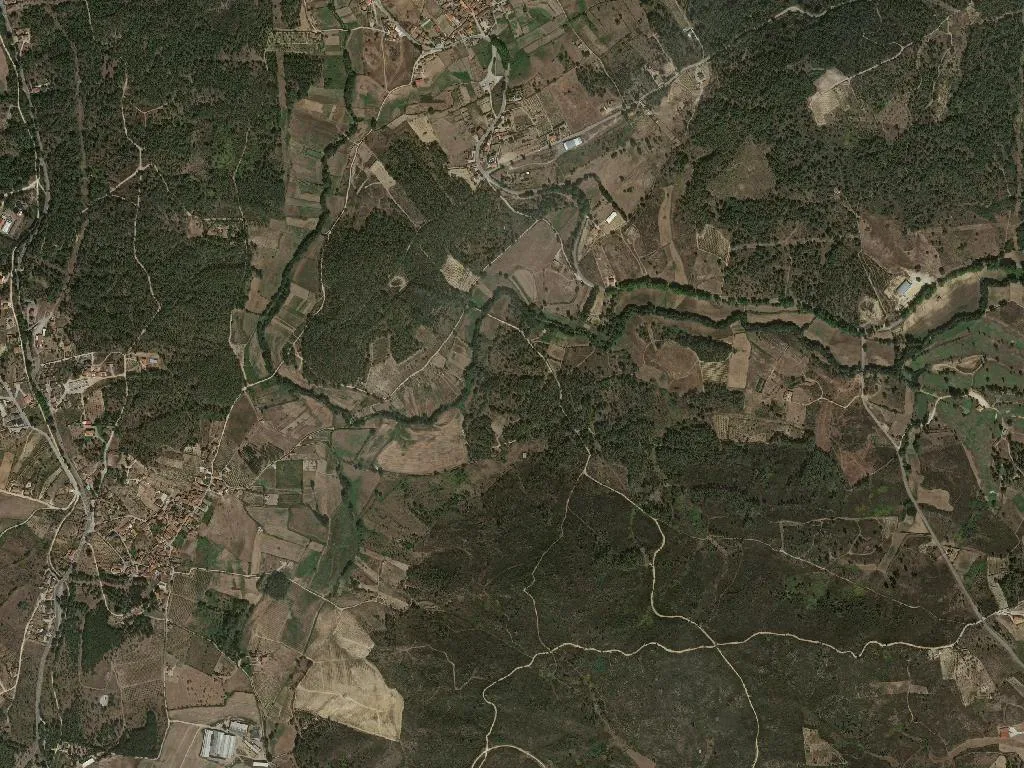
Oak smoke rises ruler-straight from the chimney, scenting the air with winter. At 353 metres, Oura perches on the hinge where the valley of Chaves folds into the Barroso plateau. November trims the ham’s silhouettes: inside the fumeiros, sausages cure in slow motion.
What to Eat
Barroso ham (IGP) hangs for eighteen months until it tastes of forest and time. Pumpkin chouriço balances fat with a flick of sweetness; the local alheira garlic-free sausage was originally a crypto-Jewish relic. Maronesa beef (DOP) comes from crimson cows that graze outdoors year-round; Barroso milk lamb (IGP) is slaughtered at seven kilos, no more. The celebrated pastel de Chaves is baked in town but devoured here. Monday’s market trades Padrela chestnuts (DOP) and dark heather honey so thick it barely drips.
Who Lives Here
Population 515 – 183 pensioners, 42 children. Houses stand two hundred metres apart; when the wind drops you hear the Ribeiro de Oura trickle. Two lesser Camino routes – Via Lusitana and Nascente – cross the parish; high season brings twelve pilgrims a day. Drinkable water still flows from a granite font at Cimo.
What You’ll See
Chestnut trees older than Portugal, schist walls patched like quilts. The CM528 winds east to Boticas; a three-room guesthouse takes dogs. There is no café in Oura; the nearest grocery-pub is three kilometres away in Ruivães and bolts its door at eight.