Full article about Sulphur-scented Santa Maria Maior, Chaves
Roman bridge, 73-degree fountain and granite lanes breathe history
Hide article Read full article
Steam unfurls from the stone spout in Praça de Camões before sunlight has reached the eaves. It is not dawn mist but 73-degree mineral water, hissing out of a Renaissance fountain installed in 1551 and still dispensing its sulphurous cure to anyone who cups a hand. The acrid whiff of rotten egg collides with the chill of 381 m altitude, and for a moment the town square feels like an open-air apothecary, the earth’s own pharmacy disgorging its prescription through granite.
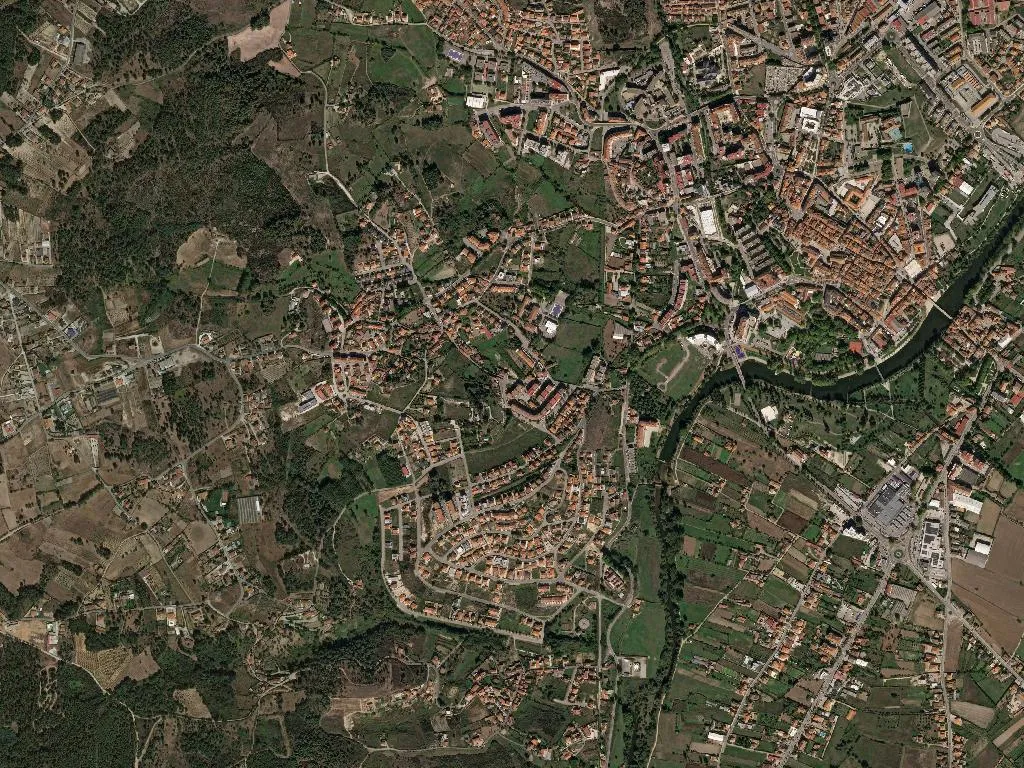
Santa Maria Maior is the compact, walled heart of Chaves, not the suburban afterthought. Within 5.25 km² live 11,408 people, enough to make the narrow flagstones of Rua Direita echo with footsteps, parlour-door gossip and the creak of timber gates leading to courtyards where shirts snap in the Trás-os-Montes wind.
The bridge the empire left behind
The Roman bridge of Trajan is the first thing that arrests the eye when the river comes into view. Two millennia of cartwheels, hooves and pilgrim boots have planed the granite into gentle undulations no stonemason ever drafted. Twelve arches stride across the Tâmega, their joints furred with dark moss that thrives on the permanent damp. Walk its 140-metre span at sunrise and the surface feels alive, a slow-moving geological record of every crossing since the Flavian era.
From the far bank the keep of the medieval castle—dated 1139, the year Portugal declared itself—stands like a single stone exclamation mark. Inside, a small military museum keeps the score of centuries of border traffic: Liberal Wars charts, First World War field-hospital ledgers, and the story of Dr João de Meira who defended the town in 1832.
Tiles, gold and a fragment of martyr
The parish takes its name from the 13th-century Igreja Matriz de Santa Maria Maior, re-clad in 1759 but still sheltering its original bones. Interior light is pooled by a gilded baroque retable of 1744 and bounced around by 1731 azulejos that narrate the life of the Virgin in cobalt. Most visitors miss the miniature reliquary to the right of the altar: inside, three shards attributed to Santa Auta, a third-century Lisbon martyr, rest incongruously in the north-eastern corner of the country.
A few doors away the Misericórdia church (1585) flaunts a late-Renaissance façade of ordered pilasters, while the former Franciscan convent—founded 1289, museum since 1980—completes a triptych you can cover in a slow ten-minute stroll. By late afternoon the limestone and granite façades around Praça de Camões glow the colour of warmed butter, a light that painters in nearby Galicia call lúcido do norte.
The pastry Eça bit into
Order a Pastel de Chaves and the ritual is immediate: crack the laminated shell with your fingers, release the plume of spiced veal. The Protected Geographical Indication label dates only from 2008, yet the local genealogy is longer—Eça de Queirós name-checked the delicacy in an 1871 dispatch from the thermal hospital. Eaten on site, the pastry shatters like caramelised mica; transport it and the structure collapses into flabby cardboard.
The parish larder extends far beyond the pastry. Counter after counter offers IGP-smoked goods: alheira garlic sausage (1996), pumpkin-seed chouriço (2017), salpicão air-cured loin (1997), mountain-cured ham. Wood-oven kid arrives scented with rockrose smoke; the regional cozido is a stratified excavation of pork, cabbage and chickpeas. Autumn desserts are built from DOP chestnuts—Padrela (1996) and Terra Fria (1994)—while local whites and velvety reds deliver the brisk acidity that slices through cured fat.
From riverbank to ridgeline
The Tâmega is the parish spine. Riverside paths lead west to Tabolado Park where riparian poplars and willows knit a shade dense enough to blunt the July furnace. That is the month of the Festas de São Tiago, when processions braid the alleys with firecracker smell and brass-band echo. June belongs to São João, and on 8 September the Romaria de Nossa Senhora da Lapa climbs to the 1655 hilltop chapel accompanied by a fair that smells of grilled chouriço and sawdust.
Seeking altitude, pick up the cobbled lane that zig-zags through kitchen gardens onto the Santa Maria ridge. At the Alto da Queimada viewpoint the horizon layers into successive blue silhouettes—Gerês, Marão, eventually sky. The Interior Portuguese Way of St James crosses here, its waymarkers a discreet yellow scallop on blue tile; pilgrims have followed the river and the Roman bridge since at least 1325.
Tuesday’s living market
Every Tuesday since 1278 the market spreads across the parish’s southern arteries. Plastic crates scrape over cobbles, vendors cry prices in overlapping stereo, brass scales clink. You can buy queijo amarelo da terra—a soft, saffron-hued cow’s-milk cheese—Barroso DOP honey, hand-forged pruning knives and seedlings of grelos greens. Demographics say 28 per cent of residents are over 65, yet the energy is impatiently youthful.
When the stalls come down at dusk the fountain reclaims the last word. Sulphurous vapour keeps rising from 16th-century granite, scenting hair and coat lapels with a mineral signature no other parish in Portugal replicates. Carry it home and you carry the subterranean warmth of the Tâmega valley—an invisible souvenir that laundry detergents never quite erase.