Full article about Santo Estêvão: chimneys, chouriça and chestnut smoke
Dawn wood-smoke curls above granite lanes where Bisara pigs root and elders salt hams in hoar-froste
Hide article Read full article
Smoke at Dawn
At 364 metres the chimneys draw straight lines of wood-smoke into a sky still bruised with night frost. Santo Estêvão wakes to the smell of damp oak and the scrape of iron latches on stable doors. Granite houses shoulder against each other along cobbled lanes so narrow that two hay bales would jam the passage; their eaves drip yesterday’s rain onto rye grass pushing up between the stones. There is no café latte aroma, only the blunt perfume of pine resin and the faint iodine tang of cattle.
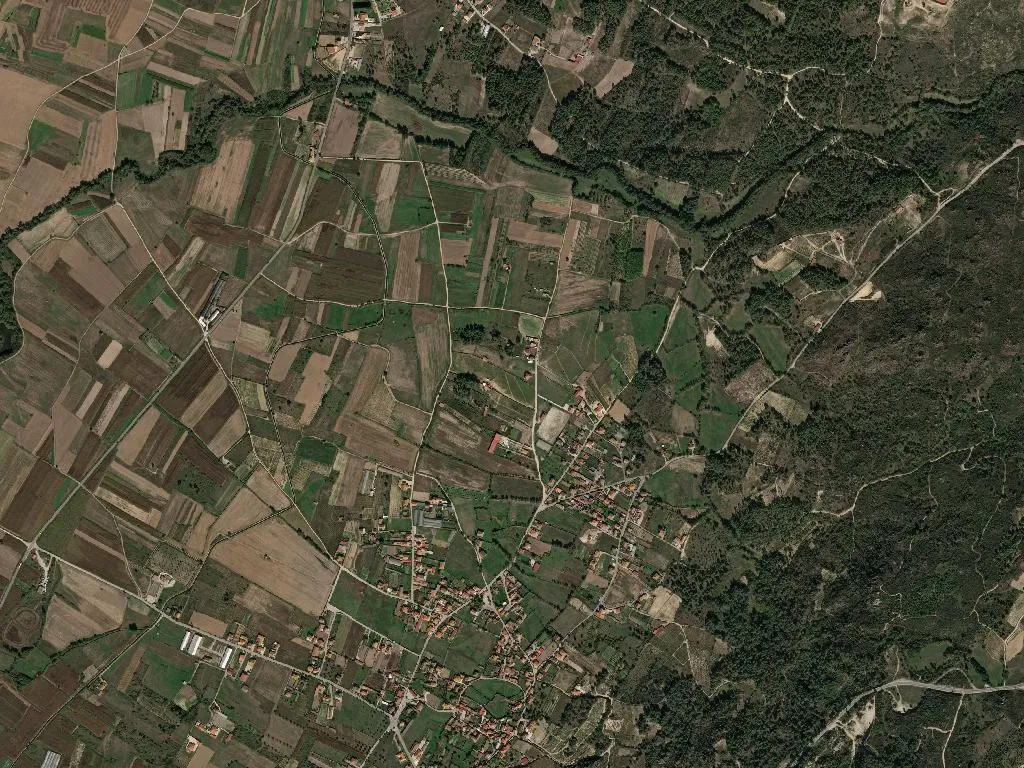
The parish spreads over 867 hectares of stepped slopes stitched into maize and rye. Of the 543 souls counted in 2021, 189 are past retirement age, and they still salt hams in January when the hoar stays crisp until noon, still strip chestnuts with fingers numb from October fog. The grandchildren—forty-nine in total—watch, half-attentive, WhatsApp glowing in their palms, aware that what they are seeing may not outlive the battery.
The Weight of Labels
This is not farm-to-table theatre. The kitchen tables are the same ones that survived the 1960s collectivisation scare, the 1970s exodus to Paris and Lyon. Santo Estêvão sits inside the demarcated territory of seventeen DOP and IGP products—Alheira de Barroso, Presunto de Vinhais, Carne Maronesa, Castanha da Terra Fria—each certificate a bureaucratic love-letter to stubbornness. Bisara pigs still range the gorse; chickens work the soil for wireworms; smokehouses exhale oak and chestnut dusk. A single forkful of maronesa beef, slow-braised in last year’s red, keeps a micro-economy alive: the cowman, the butcher, the woman who stitches intestine for cased chouriça, the driver who delivers to Bragança market before dawn.
Way-markers for Pilgrims
Two Santiago routes bisect the village: the inland Via Lusitana and the Caminho Nascente. Walkers appear at mid-morning, boots powdered white with shale dust, asking for the spring below the church. They sit on the granite wall, ease off socks, count blisters like rosary beads. Population density is 62 per km²—low enough for silence to feel almost architectural, broken only by blackbirds rehearsing winter themes. The parish church stands at the ridge, bell cracked since 1987; no QR codes, no gift shop. Curiosity is answered in the Café Central where Joaquim pulls 60-cent espresso shots and keeps a mental card index of every emigrant who ever left for Lyon, Zurich, Newark.
Cold Country, Sweet Returns
“Terra Fria” is not romantic branding; it is meteorological fact. Frost can arrive in September and linger until May. The cold shocks chestnut husks into glassy shine, tightens pigskin for perfect curing, forces cattle to develop the intramuscular fat that makes maronesa taste like butter disguised as beef. Trás-os-Montes IGP potatoes grow in skeletal, acidic soils—thin terraced shelves that tractors cannot reach. You will still find a labourer working a hoe between vine rows, filling wicker baskets with soil-clagged tubers while cloud shadows slide across the valley like glaciers.
Sleeping Inside the Walls
There are two guest houses, both converted smallholdings. Walls are a metre and a half thick; floorboards groan like galleons. The immersion heater in the bathroom rattles as if it might launch through the roof. Breakfast brings long, hand-sliced white loaves impossible to fit in a toaster, tomato jam, ewe’s-milk cheese that tastes of thyme and lanolin. At dusk the Santinho ridge blocks the sun and granite glows the colour of burnt sugar. A dog barks somewhere down the slope; a chair scrapes across a neighbour’s yard; the fire spits cork as someone coaxes the evening heat. Then the metallic clink of a pilgrim’s trekking pole on stone, moving west, or perhaps only as far as the next 60-cent coffee.