Full article about Travancas e Roriz: fog, rye & midnight smugglers
900 m above Chaves, granite soil sweetens IGP potatoes and winter lingers in rye-silver fields
Hide article Read full article
Dawn mist and potato earth
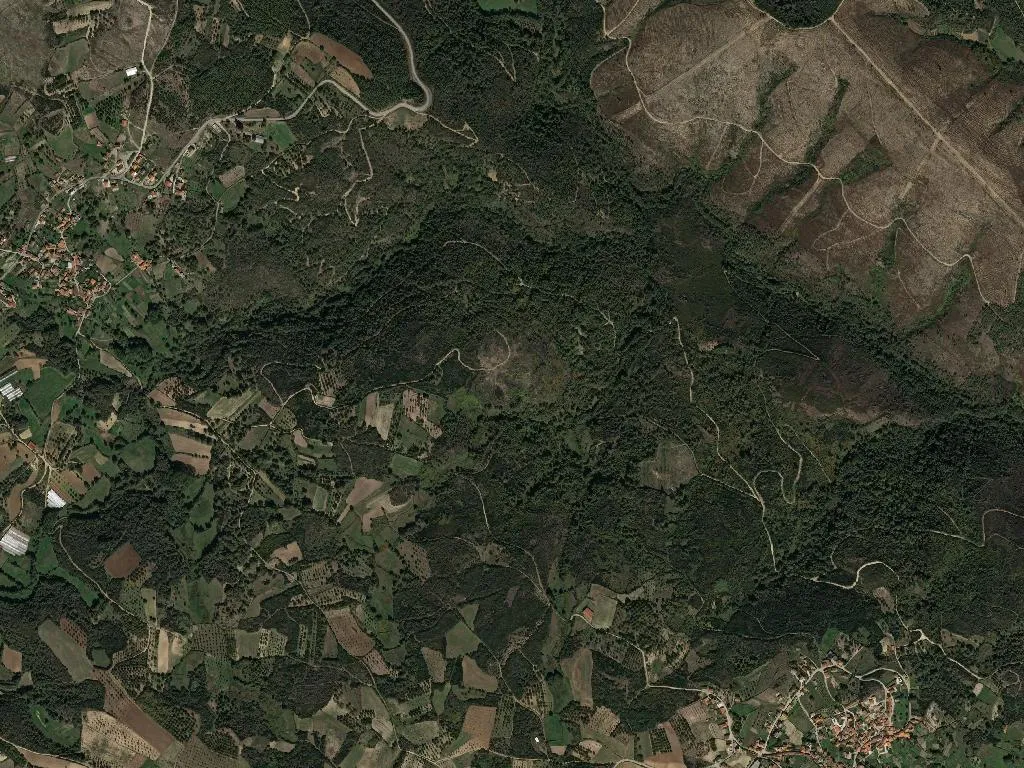
The fog lifts reluctantly over the terraces, uncovering dark potato foliage and the rust-red clay of freshly-turned drills. At 785 m you feel the altitude in your bones; even August dawns demand a cashmere layer. Sound is precise here: wind rasping rye stubble, water muttering in irrigation gullies, the chink of hoe on granite. This is the civil parish of Travancas e Roriz, less than two kilometres from Galicia, on the roof of the Chaves municipality where winter arrives early and stays late.
Potato capital, smugglers’ corridor
Travancas calls itself Portugal’s “Potato Capital” without blushing. The IGP-labelled tuber rotates with winter rye, fattened by cool nights and loose granite soil. Harvest is late—October rather than August—but the payoff is a waxy, sweet flesh that needs nothing more than salt water and a splash of olive oil. Locals serve it beside roast Barroso kid or hand-carved presunto, letting the spade-shaped tuber steal the plate.
The name probably derives from travão, the wooden lock that once secured a river crossing. The village has always been a threshold: the Spanish hamlet of Arzádegos lies 3.5 km away, and until Schengen erased the line, moonlit trains of muleteers moved contraband wool, coffee and paraffin across these ridges. Miguel Torga, the Beiras-born physician-writer, noted the “peles” (hides) slipping through in his Diário XVI, recording a commerce that smelled of cold smoke and burlap.
Rye, altitude and the long white season
The topography is a gentle roller-coaster rather than craggy drama, but at 900 m winter still writes the rules. Snow settles on schist roofs; roads become glassy ruts. Summer afternoons glow, yet by ten o’clock the hearth is lit again. Rye—sown in September, harvested in July—ripples like corduroy and whispers like dry paper when the wind lifts. Stand still and you can hear the field breathe.
Smokehouses, chestnuts and Barroso honey
The parish pantry is essentially the Trás-os-Montes DOP/IGP catalogue. Breakfast might be a slice of Alheira de Barroso-Montalegre smoked over oak and bay, dinner a haunch of Cabrito de Barroso slow-roasted in a wood oven. October brings chestnuts tipped straight from the embers onto newspaper, and honey so thick with heather and rosemary you can stand a spoon in it. The Pastel de Chaves—flaky, cinnamon-dusted, calorific—arrives from town in paper bags still warm from the bakery, a weekend treat rather than a souvenir.
Roriz, Argemil, São Cornélio
Since the 2013 administrative merger, Travancas shares a council with Roriz and its satellite hamlets Argemil and São Cornélio. Roriz’s chapel of São Sebastião, perched above rye terraces, still stages the annual winter festival on 20 January when the priest blesses seed corn and the village band plays marches that echo off granite barns. Spread across 21 km², the union’s 454 residents include only a dozen under the age of twenty; the rest are smallholders who keep the stone walls mended and the smokehouses fragrant with oak and juniper.
By late afternoon the sun drops behind the Galician ridge, the turned earth glows iron-oxide red, and the temperature falls as sharply as a curtain. You leave with the scent of burning oak in your hair and the taste of a just-roasted chestnut on your tongue, aware that places this quiet can still make a noise inside you.