Full article about Vale de Anta: Dawn Bell & Dolmen Ghosts
Granite hush, vanished anta stones and alheira smoke in a 444 m-high Transmontana hamlet.
Hide article Read full article
Morning decides if the schist is worth undressing
Dawn light slices through the low windows as though the day itself were hesitating to peel the night off the granite. Only the bell of São Domingos church disturbs the hush—at noon it drowns even the tasca’s crackling radio. Altitude: 444 m. Climb another 30 m and the Roman tower of Chaves pricks the horizon; drop 100 m and you reach the café that opens at 07:30 for pilgrims striding in from the Spanish border.
A name salvaged from stone
Vale de Anta owes its title to a Neolithic dolmen that once stood here. The stones vanished—reincarnated as field walls or threshing-floor foundations—but the name stuck. On the parish crest the anta is painted forget-me-not blue; in local memory it is simply “that lump of granite nobody can trace”. The parish was carved out in the 1830s when Lisbon decided the hamlet had enough souls to merit its own council. No palaces, no castles: just loose-stone walls held together by ivy that tears the whole lot down if you tug it.
A Transmontana table
Arrive hungry. The alheira of Barroso (PGI) is more than a smoked-bread sausage; it is social licence to open wine before the sun sets. Kids of kid go into the wood oven; Maronesa beef braises in house red; the highland potato, stubborn as a northerner, stays intact after three stews. When chestnuts drop in October, courtyards fill with drying racks and autumn soups. Winter honey, dark as Guinness, is taken by the spoonful “to stretch the cough”. If you crave something that needs no subtitle, drive ten minutes to Chaves for a pastel de Chaves—flaky, cumin-scented, best eaten scalding. Be back before the village turns its key in the door.
Landscape of passage
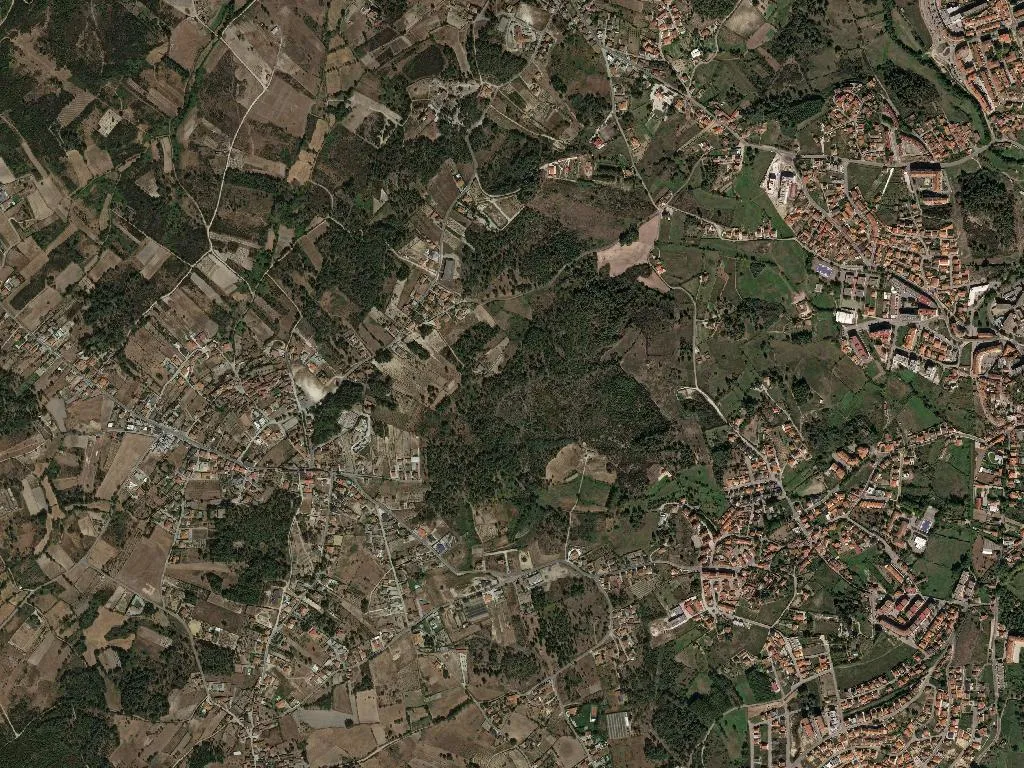
Ten square kilometres, rounded up. Neither nature park nor reserve: just scrub oak, a creek and footpaths paved with granite posts. Of the 1 625 residents, roughly 500 can still recall when the fields fed everyone. Today 199 children race along the cobbled lanes; the rest are retirees who relocate to the doorstep at dusk. Chaves hospital, multiplex and Lidl lie three kilometres south—close enough for scans, cinema and discounted prosecco, far enough that no headlights disturb the night. Eight cottages are available to let; silence is included in the rate.
Under the pilgrims’ boots
The Portuguese Central Way to Santiago slips through without fanfare. No marble waymarks every ten metres: instead dry-stack walls, a mongrel that barks then begs, the metallic smell of earth after rain. Walk slowly enough and you’ll notice the grandfather oak that once served as a parish notice board, the threshing floor still whitewashed with the initials “A. P. 1942”. When the bell strikes, the hillside throws the sound back like a question no one needs to answer.