Full article about Vilar de Nantes: silence carved in granite
Walk stone mule tracks where three Santiago routes merge above Chaves
Hide article Read full article
The sound of granite underfoot
Morning in Vilar de Nantes begins with the soft click of soles on stone – the only punctuation in a silence so complete you can hear your own breathing. At 440 metres above sea level the air arrives rinsed by Atlantic weather systems that never quite make it this far inland, carrying the faint perfume of oak smoke curling from chimneys. The village wakes without urgency, its tempo set by the agricultural calendar and by the slow accretion of centuries rather than the news cycle or the school run. There are no tour groups to dodge, no gift shops, no checklist sights – only the certainty that daily life here is still measured in gestures repeated long before anyone thought to photograph them.
A parish that forgot to advertise itself
First mentioned in a 1297 royal charter, the settlement’s name – Villa de Nantes – hints at a founder or an earlier place that has since slipped through the cracks of documentation. What remains is a scatter of granite houses so similar in colour to the terraced fields that buildings and land seem carved from the same seam of rock. The modest chapel dedicated to São José began as a 19th-century welfare initiative: villagers pooled resources to support widows and orphans, proving that mutual aid could be as enduring as any bishop’s palace. You will search in vain for a castellated keep or a baroque façade; Vilar de Nantes never learned the art of self-promotion. Instead, time-darkened chapels appear around bends like quiet full stops, and earth tracks climb between vineyards whose stone walls have outlasted every road map.
Where three pilgrim trails cross
Unlikely as it looks, the parish lies at the convergence of three separate routes to Santiago de Compostela: the Caminho Interior, the Via Lusitana and the Caminho Nascente. For centuries leather-clad feet beat a temporary path through these smallholdings; the only evidence now is the width of certain lanes and the instinctive hospitality of householders who still leave out water for passing strangers. Walk today and you’ll thread between olive groves and small plots of Touriga Nacional vines, crossing seasonal streams that glint like quicksilver before disappearing into oak scrub. The entire parish covers barely 727 hectares – a pocket-handkerchief landscape that nevertheless feels spacious because so many of its houses stand empty. Demography is brutal: 587 residents over 65, only 185 under 24. The mathematics echoes in shuttered windows and in the unhurried gait of people who have already seen the future leave.
The taste of winter survival
Transmontano cooking here is a masterclass in making abundance taste austere. Caldo verde bubbles for months in iron pots, the greens pulled from gardens that sit just above the morning mist. Pork liver is seared in local olive oil, its juices thickened with blood for paparote, a dish that tastes of iron frost and woodsmoke. Lamb grazed on heather and wild walnut arrives at the table carrying the scent of the surrounding hills. After the December matança, smoking sausages hang in kitchens scented with oak and bay, the first alheiras of the season still bearing the ghost of campfire. Everything on the plate arrives from within a ten-kilometre radius; anything else would feel like an affectation.
Life without a backdrop
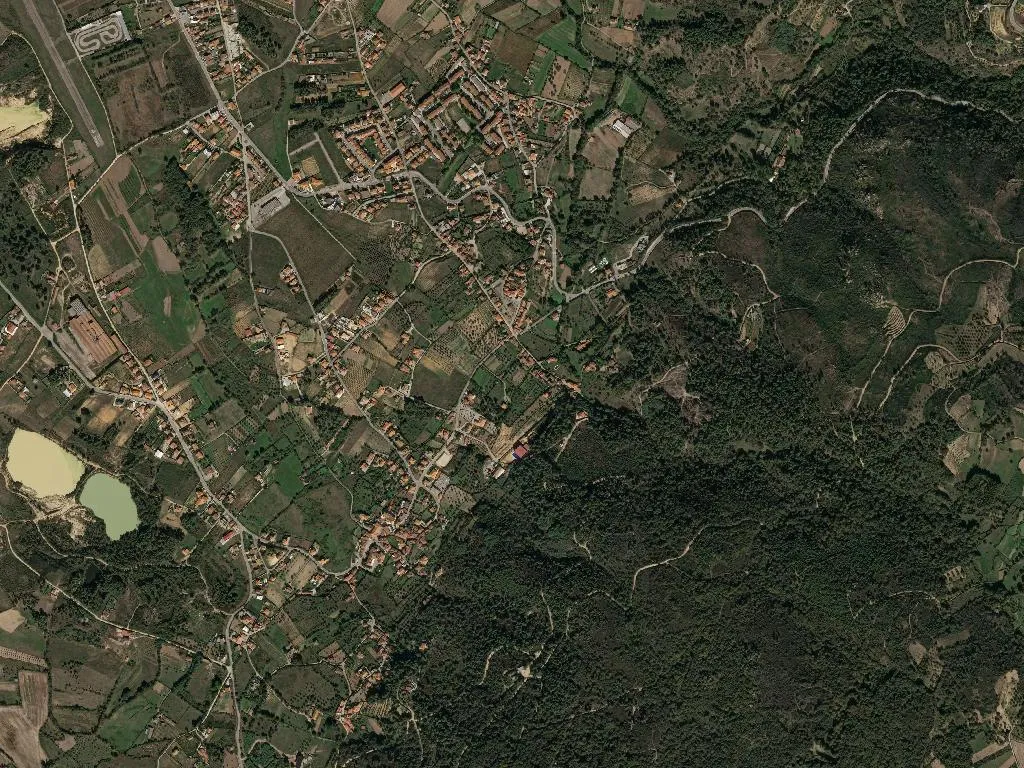
Unlike neighbouring villages that mark each saint’s day with brass bands and processions, Vilar de Nantes keeps its calendar private. There are no flyers for folkloric evenings, no roadside stalls selling plastic trumpets. Celebration happens in kitchens, at the parish council’s monthly meeting, or during the early-evening conversation that begins when someone pulls a plastic chair onto the cobbles. The exception is surreal: an 857-metre grass airstrip on the plateau’s edge, used by a handful of private pilots who appreciate the silence as much as the headwind. When the sun drops and oblique light ignites the granite, the village closes its doors without ceremony. No souvenir shops flip their signs to “Fechado”; no one offers to take your picture. What remains is the faint smell of woodsmoke, the click of stone underfoot, and the growing awareness that some places survive precisely because they were never designed for the camera.