Full article about Oliveira: Schist Terraces & Wood-Smoke Ham
Dawn over Mesão Frio’s tiny Alto Douro parish, where dry-stone vines, Rosa’s corn broa and Mr Anselm
Hide article Read full article
Dawn on the Schist Terraces
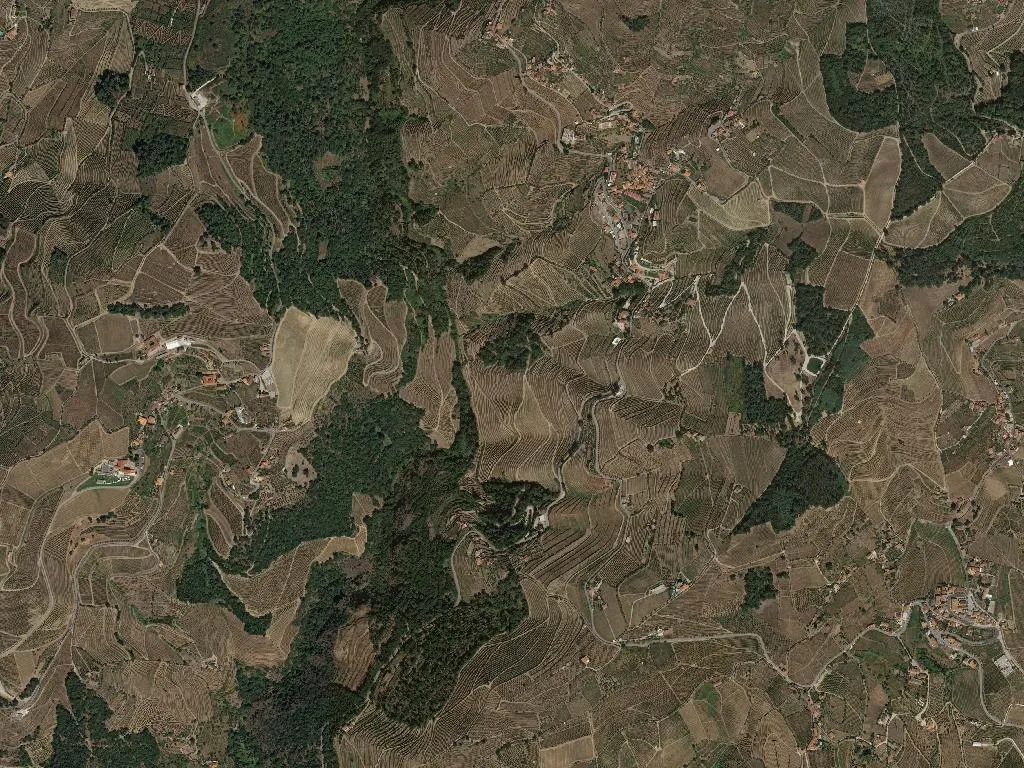
Morning sun glances off the dry-stone walls that corrugate the hillside. At 184 metres above sea-level, Oliveira—named, prosaically, for its olive trees—owes its livelihood to another plant entirely: vines stitched in ruler-straight rows down to the Douro, each root clawed into narrow shelves of flaky schist as if afraid of tumbling into the river. January air carries the scent of warm earth and dormant vineyard, an aroma you only catch after pruning is finished and the land seems to doze. Occasionally Mr Armindo’s cockerel cuts through the quiet, or you hear Zé Carlos’s tractor lurching uphill in first gear.
Geometry of Schist
Oliveira sits in the Alto Douro, the stretch the English insist on calling “the wine region” but which locals simply call home. Every unmortared wall, every mountain step, was levered into place by someone’s grandfather. My grandmother swore the dark schist stored just enough daytime heat to ripen the grapes—she would know; she picked bunches well into her eighties. The parish covers only 343 hectares, yet manages to fit vines, olive terraces, a wedge of orchard and the scrub where children cut almond switches for catapults.
The 349 residents keep an internal calendar: March for tilling, September for harvest, December for the pig-killing feast. When the wind swings to the north, Zé da Tasca pulls the terrace chairs inside—“rain’s coming.” And it does.
Flavours Tethered to the Slope
On Mondays people still queue at Rosa’s grocery for her wood-oven broa, the crusty corn bread that arrives warm at dawn. Mr Anselmo’s ham ages in a downstairs room whose oak-smoke drifts clear to the road; he slices it to order, translucent petals that taste of winter fog. Sunday lunch is sarrabulho—a peppery pork-and-blood stew thickened with turnip tops from the backyard plot. The house red carries no label, only the flavour of 1970s Touriga Nacional, the year my father planted the vineyard the week I was born.
Walking the Platforms
For the long view, follow the dirt track to the whitewashed chapel of São Sebastião. Twenty calf-aching minutes later the river appears, curling past the Carriscal promontory, quintas on the far bank reduced to toy size. In winter, black-winged kites wheel overhead, signalling weather on the way. Ring the bell at Quinta do Vale and Nuno will appear, glass in hand, ready to dissect the 2018 vintage—“drought year, but the fruit was pristine.”
Late afternoon, when the sun slips behind the Serra do Marão and the schist glows rust-red, you realise this isn’t scenery for postcards. It is the terrace where my grandmother planted olives, where my father pruned until his last week, where my children now chase lizards barefoot along the same dry-stone wall. The twisted olive trees that christened the place still stand—some more bent than others, none of them going anywhere.