Full article about Smoke-cured ham and wolf country at 981 m
Visit Cambeses do Rio, Donões & Mourilhe for oak-smoked IGP Montalegre meats, Roman irrigation channels and zero-distraction Barroso plateau walks
Hide article Read full article
At 981 metres, the air bites back
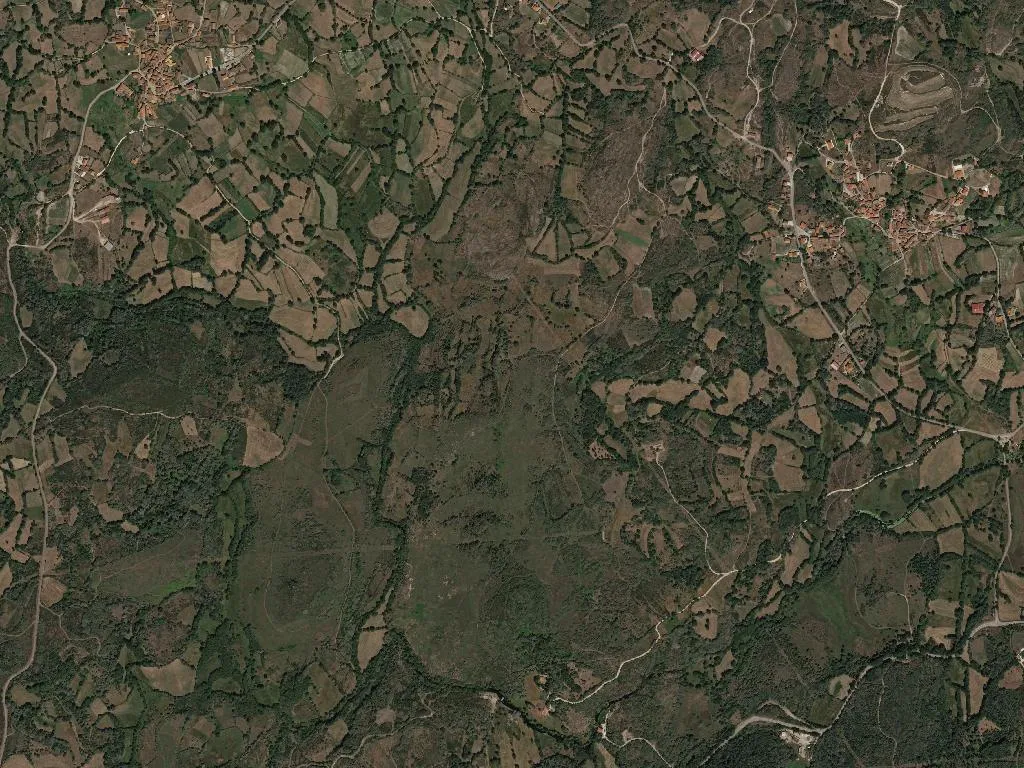
Dawn on the Barroso plateau arrives like a slow puncture. Long before the sun clears the granite spine of the Serra do Larouco, the thermometer is already flirting with zero. Each lungful stings; every blade of grass wears a brittle cuff of ice. A single church bell drifts up from the valley floor, followed by the bass note of a mastiff chained to a hayrick. No other soundtrack disturbs the three hamlets—Cambeses do Rio, Donões, Mourilhe—whose 273 souls are scattered across 40 square kilometres of heather and rye.
Where the National Park begins
The parish boundary is a dry-stone wall that doubles as the frontier of Peneda-Gerês National Park. Beyond it, the land reverts to wolf and oak. Inside, the same topography governs life: carqueja broom on the ridge, granite boulders in the riverbed, and, stitched across the hillside, the narrow irrigated meadows known locally as lameiros. These hand-dug channels—some Roman, some medieval—carry snowmelt to postage-stamp pastures where 25-head herds of Maronesa cattle graze untethered. In May the grass is acid-green; by October the bracken has turned the colour of rusted iron.
Smokehouses at cloud level
Cold here is not weather; it is infrastructure. The dry mountain air turns every farmhouse kitchen into a licensed smokehouse. Hams and chouriços dangle from ceiling beams, inhaling weeks of oak-wood fumes until their skins tighten like drumheads. The protected designation is IGP Montalegre—look for the oval stamp bearing a stylised wolf—and the curing calendar is non-negotiable: alheiras need 18 days, salpicão a full month, pumpkin chouriço exactly 12. Restaurants are scarce; instead, ask at the white house opposite the Donões chapel and Dona Albertina will slice marbled beef from her own ox, served with potatoes that taste unmistakably of volcanic soil.
Footprints of the Jacobean coast path
Way-marked poles of yellow and blue announce the Caminho de Santiago Nascente, the lesser-spotted eastern variant of the pilgrimage. Fewer than a dozen walkers a week cross the parish, most of them Portuguese army officers ticking off the 260 km between Chaves and Braga. They pause only to refill bottles at the granite trough opposite Casa do Carrasco, unaware that the name translates as “Executioner’s House”. Hostel beds are non-existent; the parish council has installed three rural cottages instead, each with a wood-burner and a week's worth of silence. Book through the Montalegre tourist office—keywords “Casas de Campo do Barroso”—then wait for the caretaker to arrive on a quad bike with a loaf of rye bread and a jar of heather honey the colour of midnight.
When the sun drops behind the ridge
Light leaves fast here. By six the granite walls glow ember-orange, the lameiros become stripes of shadow, and wood-smoke rises vertically in the still air. Even in August you’ll want a jumper; by November the road can white-out. Stay for the dusk chorus of cowbells echoing off the quartzite, walk back beneath a bowl of stars unpolluted by sodium, and you will understand why 118 pensioners refuse to leave.