Full article about Cervos: smoke-cured sausages at 828 m
In Peneda-Gerês, Cervos wakes to wood-smoke, Maronesa cattle and alheira hanging in granite haze
Hide article Read full article
Smoke at 828 m
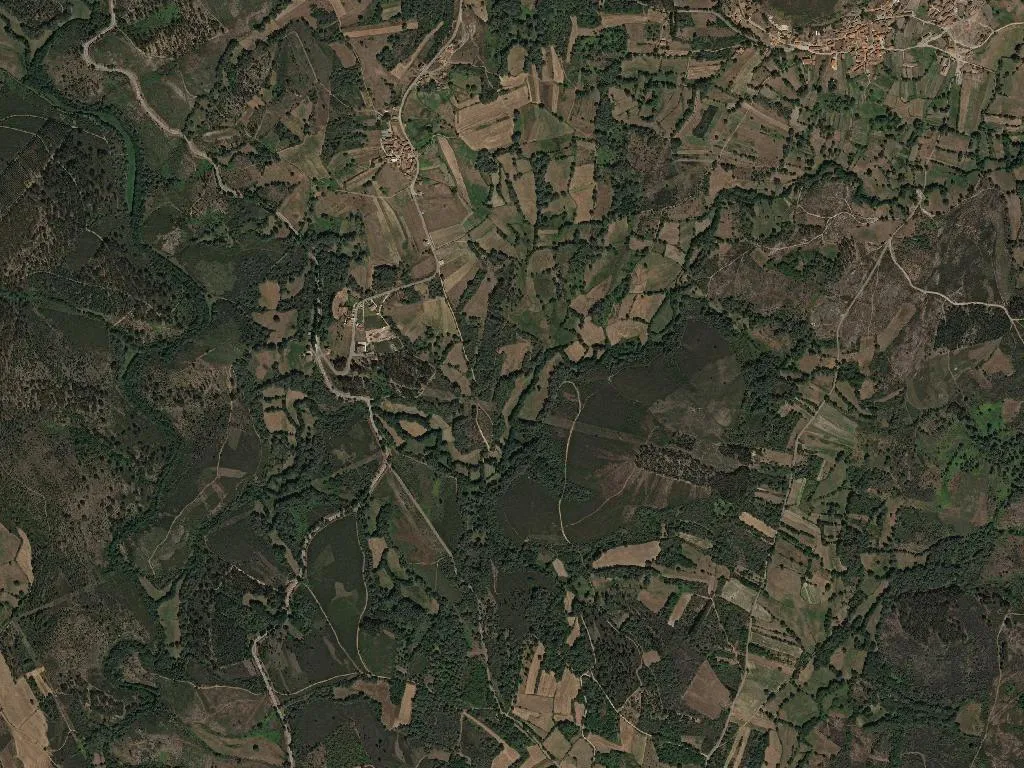
At eight o’clock the village draws breath. Wood-smoke uncoils from a single chimney; cowbells clatter down the lane as sixty rust-coloured Maronesa cattle head for the marshy meadows. Cervos, population 227, perches at 828 m inside Peneda-Gerês National Park, and winter here is a practical affair: keep the hearth fed, the chestnut logs bone-dry.
The smoking chamber
Local arithmetic claims one alheira is produced per inhabitant every frosty day. Whether or not the sums add up, the workshop at Sabores do Barroso is a blur of pork, garlic and yesterday’s bread, the mixture forced into casings, knotted, then hung inside a granite smoke-house. For three weeks the sausages absorb sweet chestnut and oak until the skins bronze and the flavour becomes impossible to translate—only taste buds negotiate it.
On Pentecost Sunday the church square turns into a butcher’s atlas: salpicão, paprika-pumpkin chouriço, blood-red morcela, Vinhais ham. This is the Festa do Fumeiro—not a performance for tourists but the weekly larder laid out in daylight.
Stone, water and a bargain with the devil
Inside the parish church candlelight catches gilded cherubs; 17th-century azulejos narrate saints’ lives in cobalt. Outside, a granite crusade cross has oriented travellers since 1743. Below the village the medieval ponte do Diabo strides over the Rio Cervo; legend says a troubadour built it in a single night, pledging his soul as collateral. These days teenagers launch themselves from the parapet into August pools, unaware they’re swimming through folklore.
Way-mark and ridgeline
The Caminho Nascente of the Camino de Santiago cuts across the square; the granite font here is the only potable source for twelve kilometres. It was donated by Manuel Monteiro, a Cervos émigré who made money in France and never forgot the taste of home water.
Walk fifteen minutes to Cruzeiro Alto at dusk and the Gerês ridge turns bruise-coloured; griffons wheel overhead, their six-foot wingspans guarding the thermals.
Hands that remember
Maria da Conceição Gonçalves died in 2005, but her knitted “Cervos stitch” survives—loose, airy, designed for shepherds who read the weather in wool. At Casa do Pastor, chestnut shelves display olive-oil submersed cheeses, hand-spun blankets and a single pair of carved clogs. Join the Pastoreio com o Pastor walk and you’ll follow Maronesa cows eight kilometres through oak scrub, the only soundtrack stream-song and the cows’ brass bells.
In the cemetery one gravestone is carved into the shape of an alheira. It belongs to 19th-century trader Joaquim “Rei das Chouriças” Pereira, who shipped smoked sausages down to Porto and returned cash, prestige and this final garlic-scented memorial. Even death here carries a whiff of the smokehouse.