Full article about Gralhas
Tiny Montalegre village clings to 922 m ridge, echoing with pilgrim boots, church bells and Maronesa
Hide article Read full article
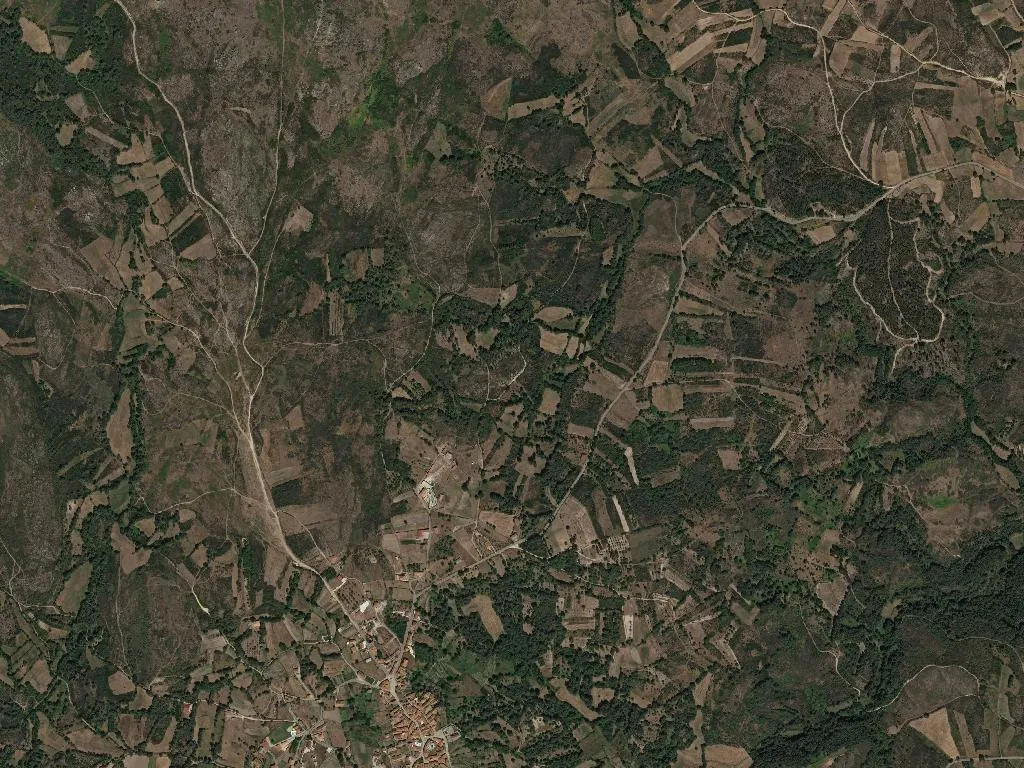
The wind snaps at 922 metres, sharp enough to raise goose-bumps even in August. Gralhas clings to the ridge-line: 186 souls, three cafés, a granite church and kilometres of unmortared wall. Half its 2,159 hectares are cropped lawns kept ankle-high by Maronesa cattle; the rest is heather and loose stone where a wild boar can still vanish for days.
Those who pass, those who stay
The nascent Caminho Nascente pilgrim route cuts through the village but doesn’t linger. Walkers climb up from Montalegre, gulp the thin air, photograph the hill-top chapel of Senhor da Piedade and push on to Galicia before their knees file a complaint. Locals descend at seven sharp to the market town, bread loaves sliding on the back seat, muttering that diesel now outstrips wages. Each year two home-comings swell the streets: Senhor da Piedage (first Sunday in September) and Nossa Senhora do Pranto (last Sunday in October). Emigrants from Porto reappear, order a draught beer, trade funeral reports, and by Monday the silence is so complete even Zé Mário’s dog forgets to bark.
Larders with teeth
Open any kitchen dresser and you’ll meet smoke-cured alheira sausages, pumpkin-coloured chouriço, hams that taper slowly towards Christmas. The beef is DOP Maronesa, yet villagers simply call it “the cow” – Sunday stew in winter, mince for sausages the rest of the year. Trás-os-Montes potatoes (IGP) laugh at frost; simmered with kale and a thread of olive oil they become the region’s survival kit. Honey runs almost black, sweet as confession; if you time the harvest you can buy a kilo jar straight from the beekeeper. To taste everything at once, walk into Café Regional in Montalegre – no menu, just whatever the kitchen is guarding that day.
Bring boots and a stick
Barroso Geopark trails start at the last cottage. Follow the Levadinha irrigation channel to the Cávado springs, where water appears magically beneath moss. Eight kilometres return, polished granite that turns treacherous after overnight rain. Carry water – post-9 a.m. the sun is a courtroom and shade is scarce. When the wind swings west, retreat to the village café: order a bica with a drop of milk and listen to Sr. António’s tale of the wolf that “isn’t even scared of dogs”. Don’t argue, just thank him. By dusk smoke rises ruler-straight from chimneys – free heat from centuries-old oak. Stay for dinner and you’ll be served blood-sausage stew with garlic and potato; when they ladle a second portion “for the road”, you know you’ve been accepted.