Full article about Meixedo & Padornelos: Barroso’s frost-bitten twins
1,115 m granite hamlets echo with 600-year charters, ox-drawn shrines and Maronesa beef
Hide article Read full article
The Cold Hush of Granite
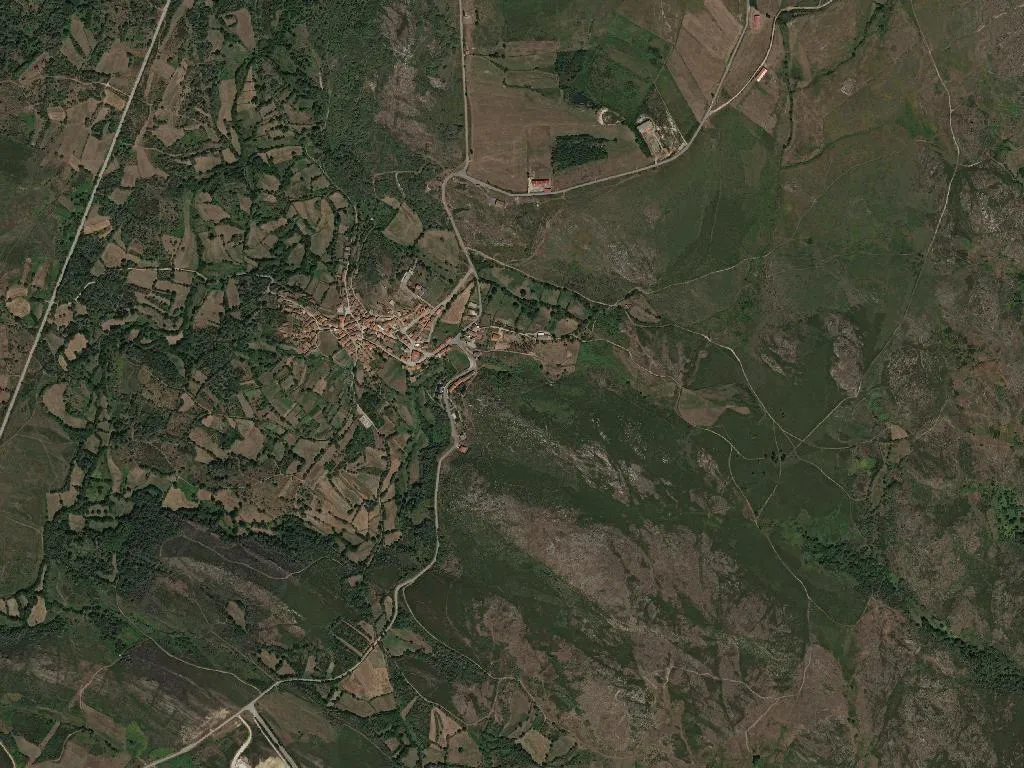
Dawn frost grips the granite walls; a ribbon of smoke uncoils from the stone chimney. At 1,115 m the silence has body—broken only by Meixedo’s single bell and the Cávado’s adolescent rush below. Between the two villages, irrigation channels keep the meadows luminescent even in August, the water so cold it numbs fingers in seconds.
Six Centuries of Charter
Padornelos governed itself for 600 years. King Sancho I’s 1180 royal charter granted the hilltop hamlet its own judge, clerk and steward—rare autonomy in these borderlands. The Captain’s House still shows it: walls a metre thick, lime render flaking like old parchment. Meixedo, meanwhile, was the only Barroso estate given to the Knights Hospitaller by Afonso Henriques, a gift that freed villagers from crown taxes and seeded a stubborn independence. Inside the Chapel of São Sebastião—built after the 1570 plague—bare granite blocks echo with the same messianic whispers that once fuelled Portugal’s Sebastianists after Alcácer-Quibir.
Flagstone Paths & Walking Feasts
A branch of the Caminho Nascente to Santiago cuts across the parish on medieval flagstones, climbing to the Portelo pass where the wind never pauses. From Larouco’s 1,220 m crest the whole Gerês ridge scratches the horizon; on crystalline days the Atlantic glints like a blade. Each July villagers tramp the old track between Meixedo and Padornelos behind the ox-drawn shrines of the Lord of Mercy and Our Lady of Lament—outdoor masses where bass drums reverberate off schist walls and the smell of charred sardines drifts into damp earth.
Barroso on a Plate
This is the dish that earned Barroso its UNESCO-listed farming system. Breakfast might be Montalegre alheira smoked over oak, lunch pumpkin-smoked chouriço, dinner IGP kid or lamb that grazed the same meadows you walked. Maronesa beef—burgundy-coloured, mountain-raised—comes from cows that wander inside Peneda-Gerês National Park; heather and gorse honey finishes with a bittersweet perfume that tastes exactly like the hillside. The Saturday cozido layers Trás-os-Montes potatoes, Barroso salpicão and blood sausage, refreshed by a glass of light, young vinho verde that cuts the plate’s smoky density. Winter evenings belong to tripe stuffed with smoked meats and Tarreste beans simmered with streaky bacon, mopped up with rye bread so dense it squeaks under the knife.
Wolf Country
Part of the parish lies within the national park. Ancient oak and alder woods shade the young Cávado, where grey herons and little grebes work the margins. Stone trails link abandoned granaries to spring fountains; on heather slopes you’ll find Iberian-wolf prints and the claw-marked trunks of a resident wild cat. When snow arrives, the summits become white corridors where the only sound is gorse pods crackling under the weight of frost.
At dusk the scent of burning oak leaks through half-open doors while the last sun ignites the granite façades. Inside, hams and blood sausages sway gently above the embers—an unhurried rhythm, slow as rye germination, that keeps 265 souls anchored to these high empty ridges.