Full article about Pumpkin-Chouriço Smoke over Venda Nova e Pondras
Granite hamlets, Maronesa cattle and Barroso IGP feasts above Gerês
Hide article Read full article
Smoke That Smells of Pumpkin-Sausage and Granite That Never Quite Dries
Woodsmoke drifts upwards in the same measured breath as the neighbour’s unpaid coffee tab—thin blue ribbons carrying the autumn scent of chouriço de abóbora Señor Almeima threaded above his hearth last October. At 924 m the season beats the weekend here; winter clocks in before Friday and stays long enough to make May feel like a Tuesday. Granite walls hoard damp like a family secret; only after noon, when the sun finally vaults the bulk of Viso, do the stones blush dry.
Eastern Gate to Gerês
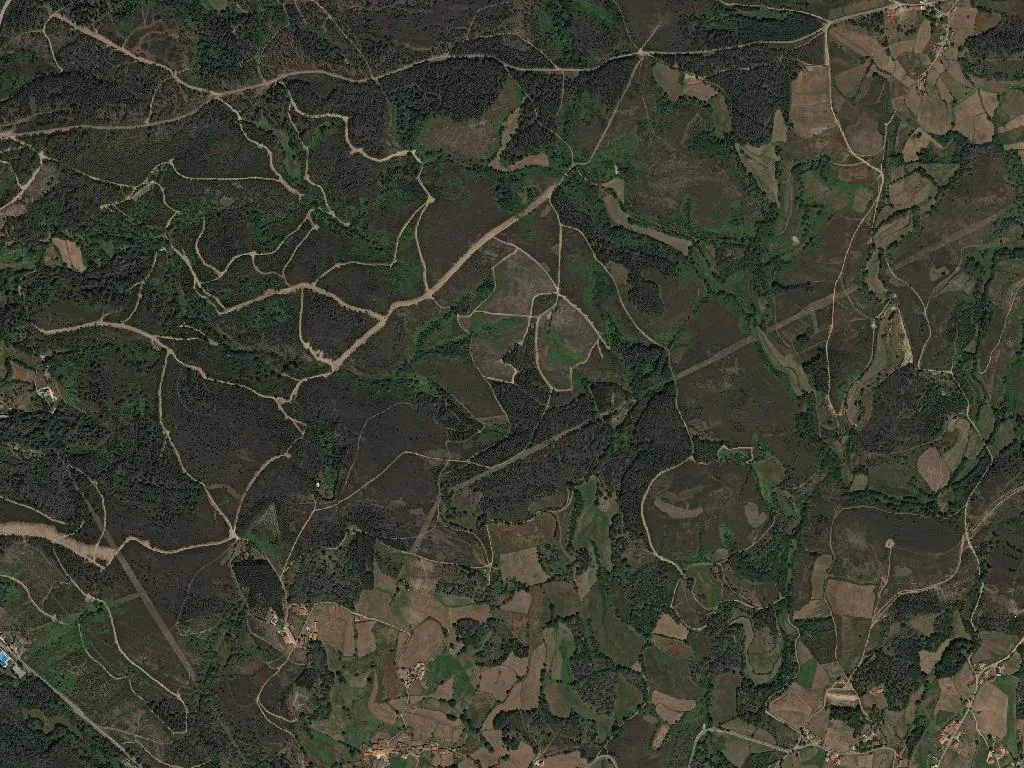
This is the threshold of Peneda-Gerês National Park: the Cávado river prised apart by quartzite ribs, and tiny hay-meadow plots—green stamp albums—pressed against the ribs of Maronesa cattle who graze as slowly as parish gossip. On clear days the only punctuation is the whistle of a passing Bonelli’s eagle above the oak scrub. Poço Negro, a river bend scooped out and blackened by shadows, belongs to the newly baptised or to locals gifted with elephantine memory.
Population density: 1.7 neighbours per km². You can breathe without introductions, can let your gaze wander the ridge until it forgets the concept of meeting point. Two-thirds are over sixty-five; twenty-two children still skid across the granite, but their futures are being drafted in Braga, Porto, France or Switzerland—anywhere the signal bars hold.
Barroso on a Plate
The landscape may be austere, the cooking is not. Alheira from the Barroso IGP oozes into country bread; kid goat roasts longer than a Twitter scandal; spring lamb never learns to bleat. In the fumeiros above every hearth, salpicão, blood sausage and Vinhais ham cure to a winter swagger—arid, papery, smoke-kissed. Morning rye bread slows molasses-thick honey that moves like pub gossip. Green wine, improbably, thrives at this altitude, folding itself into the evening the way a local angles into the last parking space on market night.
Pilgrims and Processions
The Nascente variant of the Camino de Santiago strides through the parish as confidently as a guest who knows the door is always open: granite waymarks spearing the old path between Venda Nova and Viso’s crest, where the horizon stacks more summits than a news-channel ticker. Summer belongs to the Lord of Mercy and Our Lady of Tears—processions, open-air masses, reunions last seen at Filomena’s wedding. Emigrants fly home with hybrid accents and suitcases sighing, “My God, nothing’s changed.”
Dusk ignites the granite; shadows stretch across the meadows like a con-man’s alibi. Cold slips down from the ridge. A cattle dog barks the flock home. Smoke climbs again—straight chimney columns announcing, “Still here, still holding.”