Full article about Vila da Ponte: Bridge, Smoke & Tears
Granite bridge, oak-smoked veal, 17th-century Virgin weeping tiles—Vila da Ponte lives at 809 m.
Hide article Read full article
Stone, faith and 809 metres
The granite slabs of the bridge over the Cávado are polished by centuries of traffic: iron-shod mule hooves, hobnailed boots, barefoot children sent to fill plastic jerrycans at the spring. At 809 m above sea level the air is knife-thin in January, champagne-bright in July, and the river slides blackly between boulders, muttering to itself. Vila da Ponte is literally what it says – a cluster of slate-roofed houses hinged on a single arch that once linked Trás-os-Montes with the Minho market towns. It still links bar to café on opposite banks; the walk takes 45 seconds, or the length of two alheira sausages frying.
Inside the parish church of São Vicente the temperature drops a further degree. Walls a metre thick keep the nave dim; the single bell rings only on Sundays, bouncing off granite and returning like a swallowed echo. After Mass the men linger on the porch to debate Braga’s midfield while the women slip away to the chapel of Nossa Senhora do Pranto, tears of the Virgin painted directly onto 17th-century tile. The population has thinned to 167 – 81 of them over 65 – yet on the feast of Senhor da Piedade (second weekend of August) the lanes swell with returning nephews and the smell of oak-smoked veal. Someone unpacks a concertina; someone else produces a bottle of aguardente distilled from potato peel. By Monday morning only the scorched grass and a few plastic cups remain.
What the smokehouse keeps
In the upper storeys of every house hang maroon loops of chouriço, salpicão, alheira and the blood sausage nicknamed “black tear”. All carry the burgundy IGP Barroso-Montalegre label, earned because the pigs roamed the same high meadows as the long-horned Cachena cows that become Carne Maronesa DOP. The joint of beef arrives at table after four hours in a wood-fired oven, flanked by Trás-os-Montes potatoes that collapse into butter and mountain thyme. Locals call the native Barrosã lamb “wild” – it grazes above 1,000 m on gorse and heather, condensing the moor into its fibres. Rye bread is still mixed in wooden troughs and baked in the communal oven beside the chapel; the crust is dark enough to write on and the crumb keeps for a week – though it never lasts that long. The only wine poured is green, sharp and slightly spritzed, made from vines that cling to terraces too high for regulation logic; it cuts fat and prolongs conversation in equal measure.
Inside Peneda-Gerês, on the pilgrims’ stripe
Vila da Ponte sits squarely within the national park boundary. From the last house a footpath climbs through gorse and relict oak, topping out on a quartzite ridge that lets you trace the Cávado’s question-mark curve south toward Salto. Phone reception dies at 1 km – a fact walkers greet with religious relief. The Santiago Nascente route – the lesser-trodden eastern arm of the Camino – bisects the village, funnelling a trickle of Germans, Koreans and solitary Spaniards who ask for the “fonte” in accents the parish council cannot decode. Spring to winter the palette flips: acid-green broom, blond hay, snow that erases lane and electricity wire alike. When the January moon is full, the only moving things are the Maronesa cows ploughing drifts with their foreheads on the way to the lower pasture.
Waiting for the world to agree
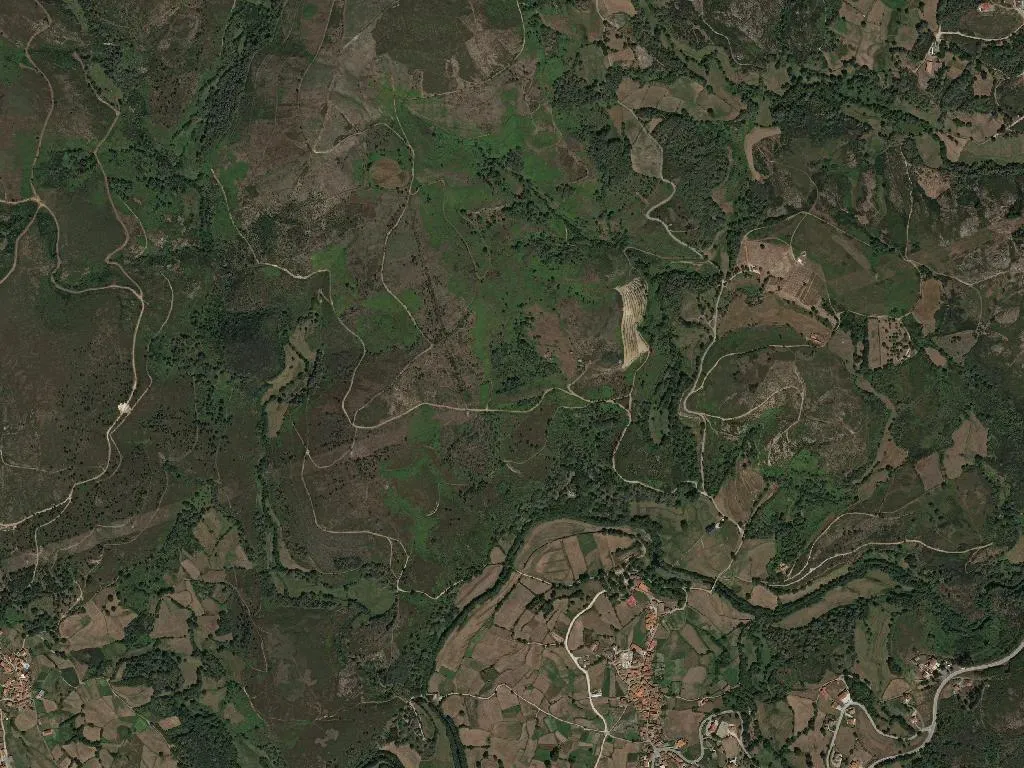
The 1,066-hectare parish is the core zone of Portugal’s latest UNESCO candidacy: an agro-silvo-pastoral system unchanged since the first charter in 1188. Satellite maps show a patchwork of rye rectangles, oak outcrops and granite espigueiros raised on stilts against rodents – all of it maintained by 42 farmers who still call their beasts by name. Recognition, if it comes, will not accelerate the 07:30 milking or stop the priest from tolling Ave-Marias at dusk. Stand on the bridge at that hour and the granite glows like heated iron while the river catches a stripe of vermilion sky. The bell note hangs, fades, and the water’s murmur takes over – the sound of a place that has already decided what it is, whatever UNESCO thinks.