Full article about Loureiro: Where Almond Petals Stick to Warm Bread
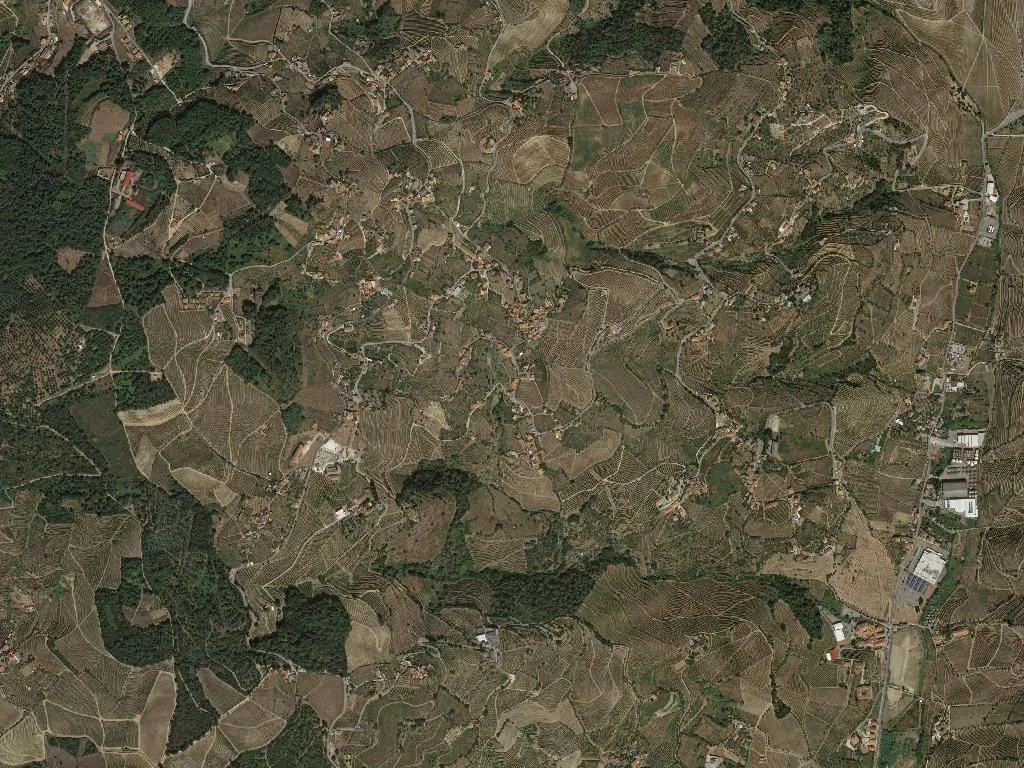
Touriga Nacional vines tap bedroom windows above Peso da Régua’s hidden hamlet.
Hide article Read full article
The Smell of Oak and Warm Bread
The tang of oak smoke is the first alarm clock. On Tuesdays and Fridays António Pinto kindles his domed bread oven at 04:45 sharp; by eight the village air is laced with almond blossom and the first loaves somersault onto the marble slab behind his house. Locals collect them wearing flat caps still pearled with dew. Loureiro sits at 357 m on the north bank of the Douro, yet the gradient is deceptive: carry a 20-kilo caixa de uvas up to the old telegraph station and you will swear you have climbed twice that.
Stone, Carving and a Missing Angel
The parish church has no bell pull. You announce yourself the way your grandfather demonstrated—two knocks, pause, a third—then edge into a nave that smells of beeswax and schist dust. The third pew on the left still squeaks; damp shoes have rotted that plank since 1962. Above the high altar the gilded carving is short one cherub, snapped off during Midnight Mass 1983. No one has ever retrieved the winged fragment; villagers insist it lies trapped behind the tabernacle, listening to their confessions by proxy. Next door, the single-aisled chapel of Santo António is locked on Wednesdays while Dona Amélia sweeps. The key swings from her apron strings; rap gently and she will let you in to see the ex-voto hearts fashioned from 19th-century brass shell-casings.
Vines that Climb, Almonds that Fall
Terraced vines start where the vegetable plots finish, rising so steeply that in August bunches of Touriga Nacional tap against children’s bedroom windows. Almond blossom gives you exactly the length of a espresso: it opens overnight in mid-February and has carpeted the lanes before the first sponge cake is out of António’s oven. Below the settlement the Ribeira Teja is less a river than a string of polished pebbles where lizards practise sprint starts; walk up to the Cabeço dos Mouros viewpoint and you survey the entire hamlet, plus the railway line that spirited half its population away to Porto in the 1960s.
Smokehouse, Almond and Oil
Dona Elvira’s smokehouse is a stone cupboard built under an overhanging granite boulder; the chouriços hang so low that a tall visitor risks a black-eye seasoned with paprika. She salts in December, smokes until May, and every fortnight “gives the smoke a turn”, nudging it along with a strawberry-tree stick inherited from her mother. Dried figs are never sliced—cracked open with a thumbnail and eaten with ewe’s milk cheese while the red wine breathes. The olive oil comes from six ancient trees that survived the killer frost of January 1991; production averages forty litres a year, enough until the next harvest unless the daughter in Lisbon remembers to bring an empty suitcase.
The Way that Cuts Through
The Portuguese Central Way of St James enters at the broken granite crucifix above the cemetery and leaves at the Ponte das Poldras, a three-slab footbridge so slim that when the Teja swells you cross it staring fixedly ahead—trip and you are soaked and ridiculed by whoever was born here. Pilgrims ask where to eat; fingers point to Zé’s single plastic table beside the coffee machine. His caldo verde is thickened with collard greens he grows behind the house and served with a hand-carved wooden spoon that looks like a small oar.
Festival and What Stays
The Festa da Senhora do Socorro falls on the Sunday closest to 15 August. Before Mass the men drag benches into the lane; women starch white linen cloths over makeshift tables. At eleven the village brass band launches the same triumphant march it has murdered since 1957—same cracked cornet, same off-key euphonium. The procession descends to the bridge and climbs again, pausing outside Joaquim’s house so he can glimpse the statue from his first-floor window—housebound since a stroke, but no one has yet told him the privilege has become a necessity. After dark, teenagers back from university drink Super Bock on the café terrace and talk loudly, as though volume might stop the village shrinking. When they leave at dawn their parents stack the benches inside, safe from autumn rain.
Sunset turns the river copper and the terraces to embers. Silence settles so thick you can hear your neighbour recounting his day through the schist. Loureiro does not court visitors; it simply asks you to stay for the lifespan of a loaf, the length of a story, the slow emptying of a glass that is never drunk alone.