Full article about Moura Morta e Vinhós: Stone, Eagles & Silence
Packhorse bridge, cliff-nesting eagles, Bisaro ham curing in Marão cellars.
Hide article Read full article
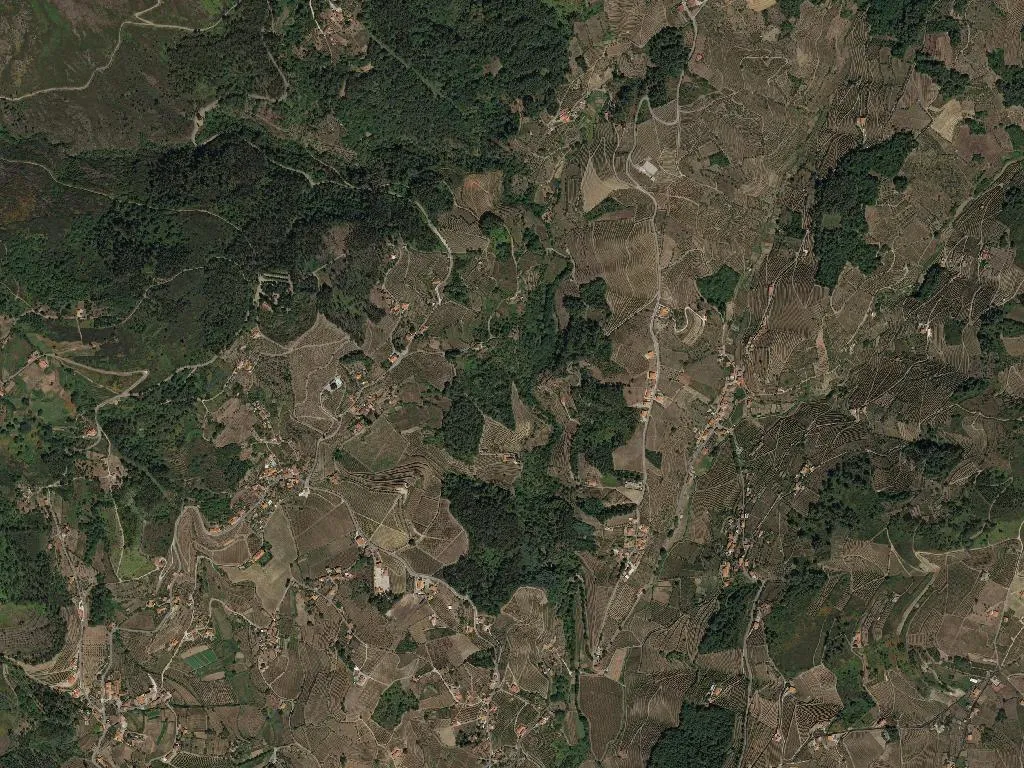
The lane climbs between waist-high schist walls that look dry-stacked even though cement has been flicked between the stones. At Ponte de Cavalar, a two-arched packhorse bridge still carries tractor tyres into the vineyards. To the east, the quartzite ridge of Marão knifes the sky; below, the Calvário stream slips under the bridge—an apology of water in August, a torrent by January. Seven hundred and fifty souls are sprinkled across two hamlets seven kilometres apart, linked only by a road that corkscrews through gorse.
What’s in a name
Both settlements appear in Portugal’s 1258 crown survey. In 1834 they lost their town status to Castro Daire; in 2013 they merged simply because there weren’t enough voters left. The tale of the murdered Moorish maiden? Tavern gossip—no one can name her, or the century.
Left-over stone
Vinhos’ 1739 parish church is locked; its key commutes in from Porto every Sunday with the sacristan. Moura Morta’s 16th-century commandery is now a hayloft. The stone cross in the village centre doubles as the 07:30 bus stop for Vila Real’s hospital run.
Eagles, if you’re sharp
Two pairs of Iberian golden eagles nest on the 580 m cliffs of Fraga da Ermida. January–March, before the chestnuts leaf, is prime viewing. The trail starts behind Vinhos’ cemetery: 45 minutes of switchbacks, yellow-and-red waymarks. Binoculars essential.
What lands on the plate
Smoky Bisaro pork haunches cure in Marão cellars from October to April. Drop into Moura Morta’s grocery and ask Zélia to slice you a kilo—€24, cut to order. In Vinhos, O Cagaréu fires clay pots of feijoada transmontana on Wednesdays and Saturdays (€9, house wine included).
Getting here
Leave the IP3 at exit 15, follow the N222 along the Douro to Peso da Régua, then peel off onto the EM534 for 12 km to Vinhos. Moura Morta is another hair-pinned seven. Transdev bus 203 makes the run twice daily; the last departure at 18:30 returns the valleys to stone and silence.