Full article about União das freguesias de Cerva e Limões
Limestone hamlets of Ribeira de Pena echo with vespers, emigrants’ stories and October maize
Hide article Read full article
The warmth of limestone and the echo of bells
The limestone of Cerva’s parish church holds the heat of the afternoon sun like a secret kept close. The bell tolls the vespers, its sound drifting down the valley, brushing against the still-green alvarinho vines, and finally fading against the stone walls that men built to keep cattle from wandering. At 358 metres above sea level, the air smells of damp earth when rain threatens – the same scent that clung to bare feet walking to school decades ago.
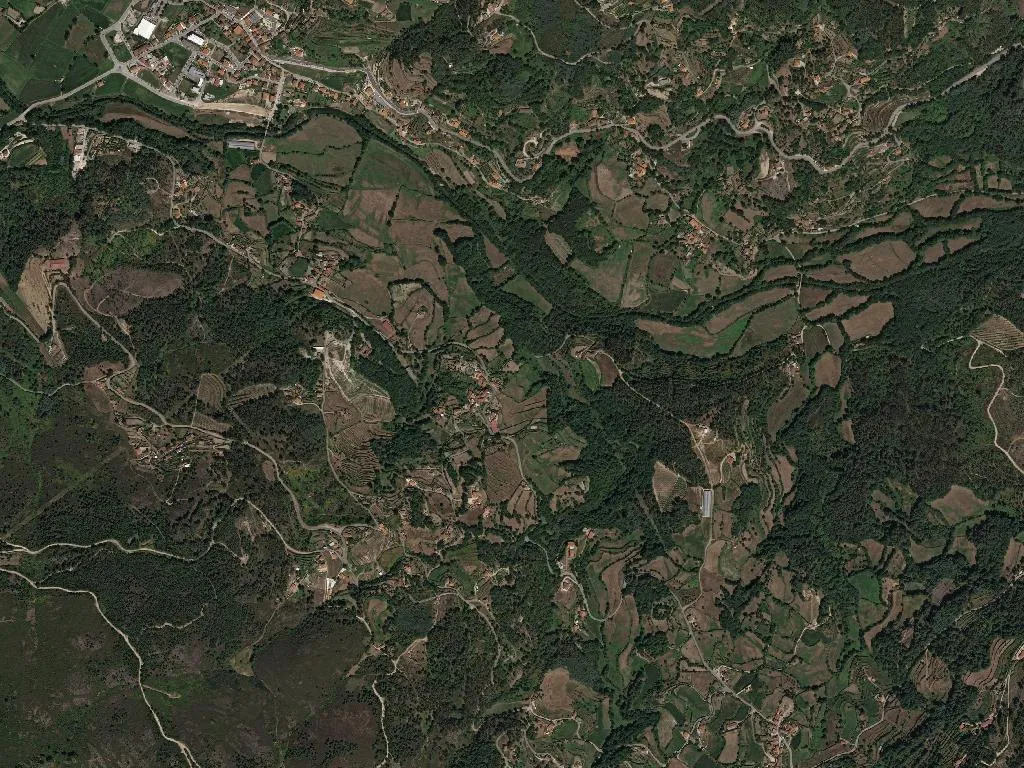
This civil parish, created in 2013 from the merger of Cerva and Limões, covers more than 6,000 hectares of northern Portugal’s Trás-os-Montes region. Locals simply call it "the village". With 38 people per square kilometre, disappearance is easy: each house has its vegetable plot, its vineyard, its maize store waiting for October. Of the 2,285 residents, half returned from France having had their fill of Parisian winters; the other half never left.
Stone and devotion
Three churches merit attention. Cerva's is the largest, with a churchyard where elderly women gather every other Sunday to discuss who died badly or married worse. Limões' is smaller, but its gilded altarpieces recall grandmothers applying powder before market day. Between them, chapels barely large enough for a cat host their own pilgrimages, promises and devotional saints.
Constable Nuno Álvares Pereira reportedly passed through, but the parish's real claim to fame is Padre Joaquim Afonso Gonçalves – the man who travelled to China to learn Mandarin and ended up teaching it to the Chinese. His birthplace still stands, its low doorway causing American visitors to duck when they come photographing.
The calendar of celebrations
The year revolves around festivals. Our Lady of Guia arrives first, followed by Saint Peter, then Fátima, and onwards. Each follows the same rhythm: processions with flower-decked biers that women begin constructing the previous evening, brass bands featuring the café owner's son on trombone, and stalls serving chouriço with cornbread and wine that tickles the throat. Children clutch balloons whilst elders reminisce about proper festivals, everyone attending midnight mass in hope of encountering those unseen since last year.
Certified flavours of the high land
Here, one eats what the earth provides. Carne Maronesa DOP comes from cattle that graze the mountains, not the depressing feedlots. It arrives in generous oven-ready pieces, or shredded through rice that feeds families for three days with leftovers for the dog. Kid goat appears on special occasions; cozido emerges when the entire family gathers and nobody plans early rising.
The honey flows like political promises, the ham melts like spring snow. Vinho Verde arrives in small glasses but large quantities – the sort that has you speaking fluent English after the third bottle.
Nineteen places offer beds, though locating them requires detective work. Private houses appear on Booking.com, then owners appear at the café asking if you're the German who arrived yesterday. You wake with the cockerel, rise with the sun, finding warm cornbread on the kitchen table from the neighbour's oven.
At dusk, when light slants and shadows stretch unhurriedly, silence settles over the valley. Only the irrigation channel's water, Silvio the dog's bark (named like a person), and firewood crackling in hearths disturb the quiet. Smoke rises straight from chimneys, drawing lines against the slowly darkening sky – a farewell until tomorrow, God willing.