Full article about Celeirós: Douro ham, foot-trod wine & bells five mins slow
Morning gold on schist terraces, 201 souls keep medieval vines alive—join the lagarada, taste transl
Hide article Read full article
The Light that Lingers
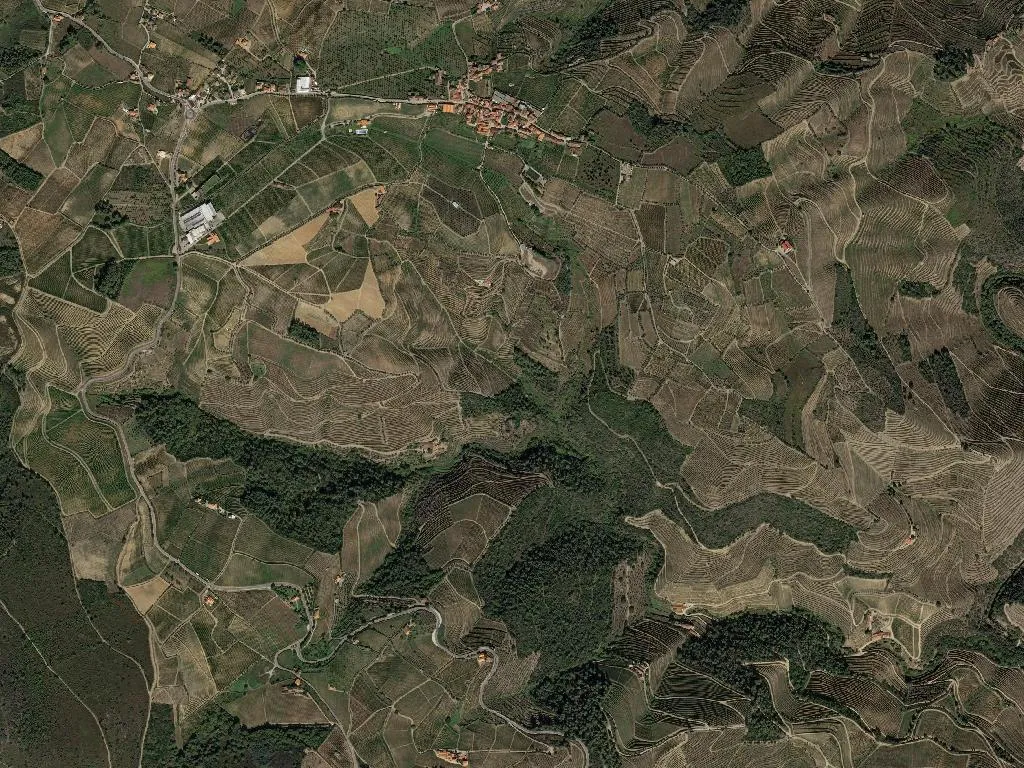
Morning light pools on the schist terraces as if it, too, has no train to catch. Celeirós wakes in slow motion—population 201 and falling. Footsteps echo differently here: locals move softly over the loose slabs; visitors clack, giving themselves away before they’ve even reached the first dog-leg bend.
Medieval Roots in the Douro’s Heartland
Royal charter arrived in 1160, turning a scatter of cottages into "something that mattered". When the Douro wine region was demarcated in 1756, Celeirós’ high-elevation whites were classed for the quality houses—no sink-wash plonk. The parish church, completed in 1777, is as Joannine as the gold rush allowed: slender tower, clock five minutes slow, bells that ring whenever the sacristan fancies a change of rhythm. Ask nicely and he’ll unlock the 18th-century monstrance—gold that predates gilt-themed afternoon tea.
Terraces Shaped by Hand
Dry-stone walls built, dismantled and rebuilt since the 1700s hold each sliver of vineyard in place; count the stones and you’ll arrive at the number of days your host’s family has worked this slope. At the end of September comes the Lagarada: not a folkloric show but a working foot-treading. Bring shoes you never liked—tinto stains survive three seasons of fashion. Afterwards the wine heads for chestnut barrels, the hams for the smoke-room. Turn up during elevenses and you’ll be served presunto shaved translucent enough to read the plate through; refuse and you’ll be marked down as either vegan or unwell.
Small Population, Long Memory
Fifty-six of the 201 residents once cycled to first communion; now they roll down to the café on walking frames. The primary school closed, yet an accordion-and-bagpipe academy fills the silence, teaching local children war tunes they’ve never needed on a battlefield. June brings the Festa de São Pedro: expats park foreign-registered cars in impossible spaces, the folk-dance troupe shakes mothballs from woollen waistcoats and a DIY firework display substitutes for what the state can’t provide. December’s midnight mass is held under a sky so clear it feels like the stars might dent the church roof. When the sun drops, the valley smells of warm slate and grapes still exhaling the day. Pack that scent with your duty-free; if you come back, the village will be exactly the same size—only the grandchildren will have grown.