Full article about Paços: where the bell, vines and schist set the clock
In Sabrosa’s sky-high hamlet, feast-day smoke, Touriga grapes and a bronze bell pace life
Hide article Read full article
The bell that measures the day
At 674 metres the evening air smells of newly-turned schist, a scent every child here can read like barometric pressure. When the church bell tolls six, its bronze note rolls over the terraces until it bumps against the opposite slope, a polite reminder that dinner is being spooned onto thick white plates somewhere up the lane. The grapes—Touriga Nacional, mostly—still carry a greenish bruise at the stem, but the slanting light insists they are almost ready. Between rows, Zé leans against his adega door trading gossip with the neighbour who prunes the wrong way on purpose, just to keep the argument alive.
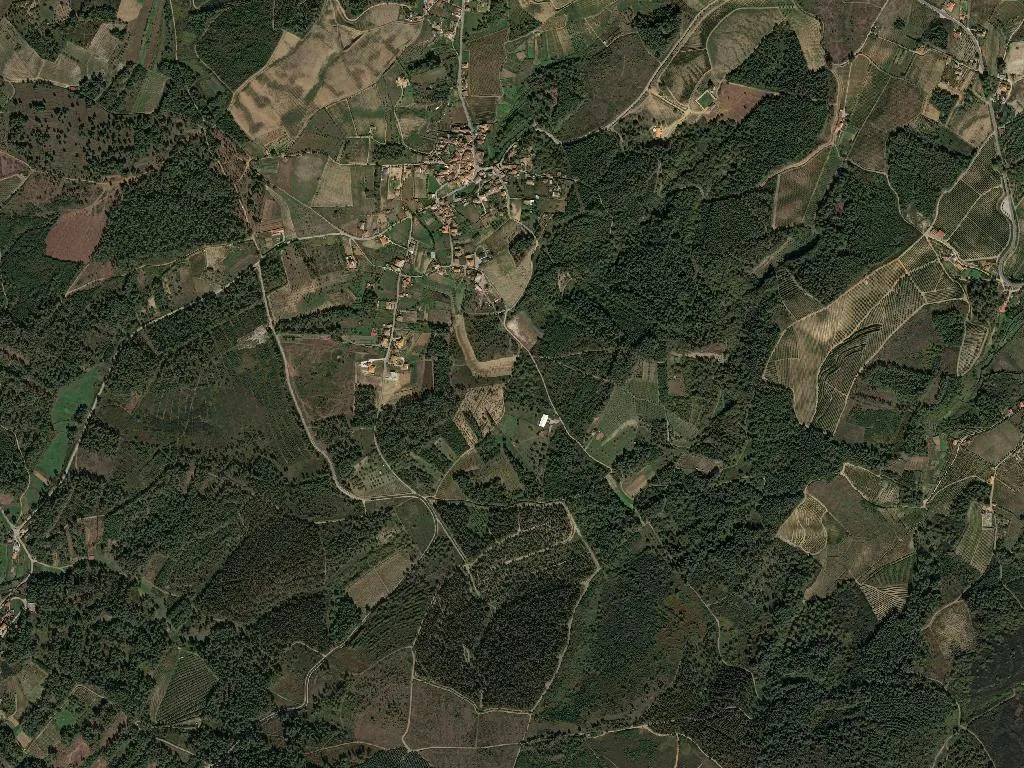
Paços perches on the hinge between two geographies: the Atlantic-cooled plateau of Trás-os-Montes, where locals insist the wind is “so strong even the chickens refuse to fly”, and the furnace of the Douro gorge, whose contours look as if the mountain itself were shimmying downhill. That in-between altitude gives the parish its amplitude of sky and its slow-motion seasons. Locals swear by a vine-leaf clock: when the first miniature fan unfurls, you plant the potatoes; when the edges brown like burnt paper, you pick.
Three feast-days when the calendar blushes
Three dates are circled on the kitchen wall in red felt-tip: Nossa Senhora da Azinheira in May, Nossa Senhora da Saúde in August, Senhor Jesus de Santa Marinha in September. The processions double as a family reunion—cousins who assemble iPhones in Lyon or drive Ocado vans in Crawley reappear in ironed shirts, shouldering the parish banner the wrong way round while Aunt Lurdes pretends not to notice. Candle-wax drips onto granite steps, smoke from chouriço skewers drifts across the churchyard, and someone’s Fiat pumps out Pimba through half-open windows. These are the WhatsApp groups of the parish made flesh.
Ham, grapes and the economics of lunch
Enter any house at noon and you will be offered Presunto de Vinhais IGP, its silky fat dissolving like snow on the tongue while the host watches for approval. The lunch table then accumulates cozido à portuguesa in a terracotta bowl deep enough to baptise a baby, followed by feijoada transmontana that keeps field workers upright until dusk. Over the wood-fired oven, Mr Joaquim’s kid goat crackles, basted with nothing more than salt, garlic and the memory of last year’s vintage. Every glass of red poured is another lecture fee, another tractor tyre, another roof tile: the vineyard bankrolls life here. The terraces are Unesco-listed, but the real inscription is written in calloused hands.
Stone walls and a thinning chorus
Morning fog buys the valley in cotton; by 11 a.m. it has been ripped away to reveal a photographer’s ransom of light. In winter, hoar-frost tinsels the pruned vines; in July, the heat pools between schist walls until the air smells of hot slate and rosemary. The parish rolls across 1,700 hectares but numbers only 83 residents under thirty and 204 over sixty. The demographic ledger is simple: the young leave for Vila Real, Porto, France, Switzerland; a few return to plant a new parcel of Alicante Bouschet and raise their own children among the same shadows. Ask the elderly why they stay and they shrug: “Born here, die here, and in between you make the best of the slope.”
When darkness finally seals the valley, stars crowd the sky like latecomers to a concert. Even in August the breeze carries a blade of cold; silence is so complete you can hear the neighbour’s cat purring through the wall. The lasting soundtrack is the glug of wine hitting a clay mug, the tear of crust from bread baked at dawn in the single bakery that still opens at seven, and the church bell’s final three beats—slow, slower, gone—calling the men to the café terrace to dissect the harvest, the government and the offside rule, as if nothing beyond the hill’s outline truly mattered.