Full article about Torre do Pinhão: Altar of Vines & Granite Silence
Stone-walled terraces, three hilltop processions and foot-trodden World Heritage wines at 609 m.
Hide article Read full article
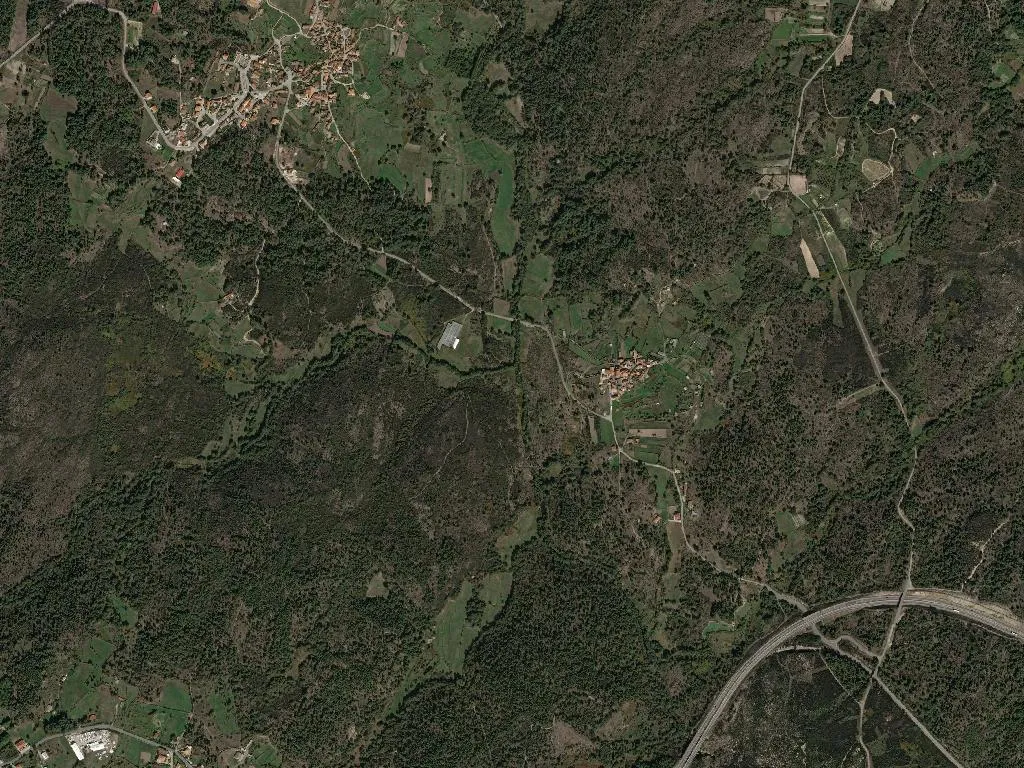
The wind combs through the vines in stone-walled terraces, lifting the perfume of sun-baked granite and dry schist. At 609 m, Torre do Pinhão is less a village than a long, thin breath of altitude stretched across the northeastern rim of the Alto Douro. Three hundred souls are scattered across 14.5 km² of gradient; the census lists 108 residents over 65 and only 29 under 25, a ratio you feel in the hush between houses.
Three pilgrimages, three pulses of time
Parish life still ticks to the rhythm of processions. On the first Sunday of May, worshippers climb the cobbled track to the whitewashed Capela de Nossa Senhora da Azinheira, halfway between Cidadelha and Rua de Cima. August brings the Romaria de Nossa Senhora da Saúde to the tile-roofed chapel that serves Vilarinho, its forecourt suddenly noisy with canvas stalls and the crackle of rock-fired sausage. The calendar closes on 6 August with Senhor Jesus de Santa Marinha: eight men shoulder the gilt canopy down the M514, past the granite calvary, the thud of their steps echoing into the valley like a slow drumbeat. On these days the air tastes of incense and pig-fat smoke, and the silence is temporarily voted out of office.
A vineyard with a World Heritage prefix
UNESCO pinned its badge on this landscape in 2001, recognising 2,000 years of human topiary. The steep, south-facing steps are stitched together with dry-stone walls that hoard daytime heat for the vines above. In Torre do Pinhão the mix is textbook Trás-os-Montes: Viosinho and Rabigato for taut, flinty whites; Touriga Nacional and Tinta Roriz for reds that carry the iodine snap of schist and the high-altitude perfume of lavender and rosemary. Come October, the slopes look shot with copper, and the wind carries a fermenting sweetness from the small stone lagares where grapes are still trodden by foot.
Air-cured mountain ham
January is pig month. Legs of the local Bísaro pig are packed in sea salt, rinsed with white wine in March, then hoisted in lath-smoke houses for eighteen months. The resulting Presunto de Vinhais – PGI-protected since 2008 – wears a ruby layer the colour of Touriga and smells like a cedar pencil sharpened over a campfire. In kitchens it is sliced translucently thin and paired with rye from the communal wood-fired oven in Vilarinho, a disc of raw-milk cheese from Quinta do Reboredo and a glass of 2018 Seixal red that stains the glass violet.
Silence measured in footfalls
Walk the M514 at dusk and distance is calibrated by the echo of your own boots. Cidadelha narrows to a single donkey-wide alley and an 18th-century calvary; Vilarinho keeps its stone threshing circle, silent since the watermill closed in 1983; Seixal hides among slate roofs where José do Carmo still runs a copper pot still for bagaço brandy. The air carries hearth smoke even at midday, and the Serra do Marão cuts a jagged silhouette against a sky the colour of oxidised pewter. There is no postcard monument, just the heat retained in a terrace wall against your palm and the church bell of Vilarinho that needs the thin air a beat longer to fade.