Full article about Cumieira: Where Smoke-Cured Ham Meets Douro’s Terraced Sky
Oak-smoke curls above schist terraces in this granite hamlet of Santa Marta de Penaguião
Hide article Read full article
The scent of smoke before the village
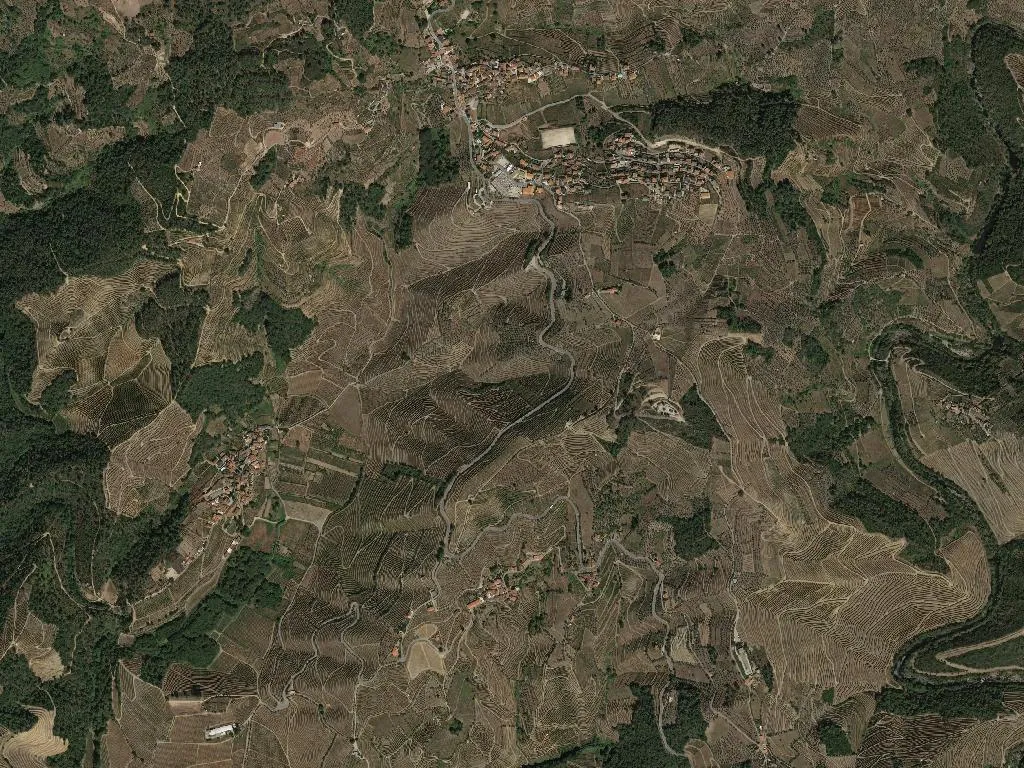
The aroma of burning oak drifts uphill long before Cumieira comes into view. It is early September, and from the dark-brick smokehouses threads the sweet, resinous haze that will coax Vinhais IGP ham into readiness, the haunches swinging from the same wrought-iron hooks used by grandparents and great-grandparents. Schist terraces drop away at 296 m, stitching the Douro valley into a pleated skirt of vines that UNESCO stamped as World Heritage in 2001. Heat radiates from granite walls; the horizon quivers.
When baroque met stubbornness
The parish church squats at the village centre, rebuilt in 1926 after a blaze left only the gilded 18th-century altarpiece standing. Inside, trompe-l’oeil marble washes over lime-plaster walls, a reminder of the aesthetic edicts sent up from Coimbra University three centuries ago. Three monuments enjoy “Public Interest” status here—church, carved granite calvary, and a stone wine-press where feet still tread grapes each autumn. After Sunday mass the men gather in the shadow of the cross, murmuring about sugar levels and picking dates while the bells echo off the vineyards.
Staircases of vines
From the river, the terraces climb like irregular steps, held in place by dry-stone walls assembled without mortar. Centenarian olives twist between the rows; in May their blossom drifts across citrus orchards with a perfume thick enough to make you dizzy. The five-kilometre Sousa footpath snakes through smallholdings, past irrigation channels that feed vegetable plots and plunge-pools where children cannon-ball into green water. From the miradouro do Cume the valley unrolls—a tapestry that modulates from malachite to bitter chocolate as the sun slides west.
Supper under the pergola
During the vindima, trestle tables appear beneath grape-heavy arbours. Bowls of kid chanfana arrive, clay-pot stew the colour of burnt umber; rice tinted black with pigs’ blood; salt-cod açorda topped with eggs that burst at the nudge of a fork. Vinhais ham, air-dried in the village smokehouses, is sliced tissue-thin, translucent and juniper-scented. Cornbread, still warm, is swiped through olive-oil-cured sheep’s cheese, then washed down with family-reserve Douro DOC hauled up from granite cellars. Dessert is star-shaped pumpkin jam, the recipe copied from a black exercise book once kept by village teacher Joaquina de Jesus Cunha, who taught three generations to read between 1953 and 1987.
São Pedro and the June fires
On 29 June the feast of St Peter detonates the calendar. A procession leaves the mother church at nine, climbs to the tiny 1874 chapel, and returns with the saint sheltered under a paper-flower canopy. By nightfall every square hosts a bonfire; sardines blister over makeshift grills while concertinas thump out folk waltzes. Grandparents demonstrate steps their own grandparents taught them. At Easter the neighbouring hamlet of Louredo burns the Entrudo effigy and hands out sweet folar bread; in August a three-kilometre pilgrimage climbs the ridge for a picnic where new wine glugs from thick glass bottles.
When the sun drops behind granite crags and the ridgeline vines catch fire with low light, the smokehouses exhale again—slow, vertical plumes. Silence settles, thick as river fog, broken only by the distant bell and the scuff of boots on uneven cobbles. The smell of woodsmoke lingers on sleeves, in hair, in memory: proof you passed through Cumieira and carried away the taste of time itself.