Full article about Medrões: Where Douro Vines Echo in Stone & Starlight
Medrões, Vila Real—walk UNESCO slate vineyard stairs, taste oak-smoked ham & open-air vintage Port beneath golden eagles & star-blazed skies.
Hide article Read full article
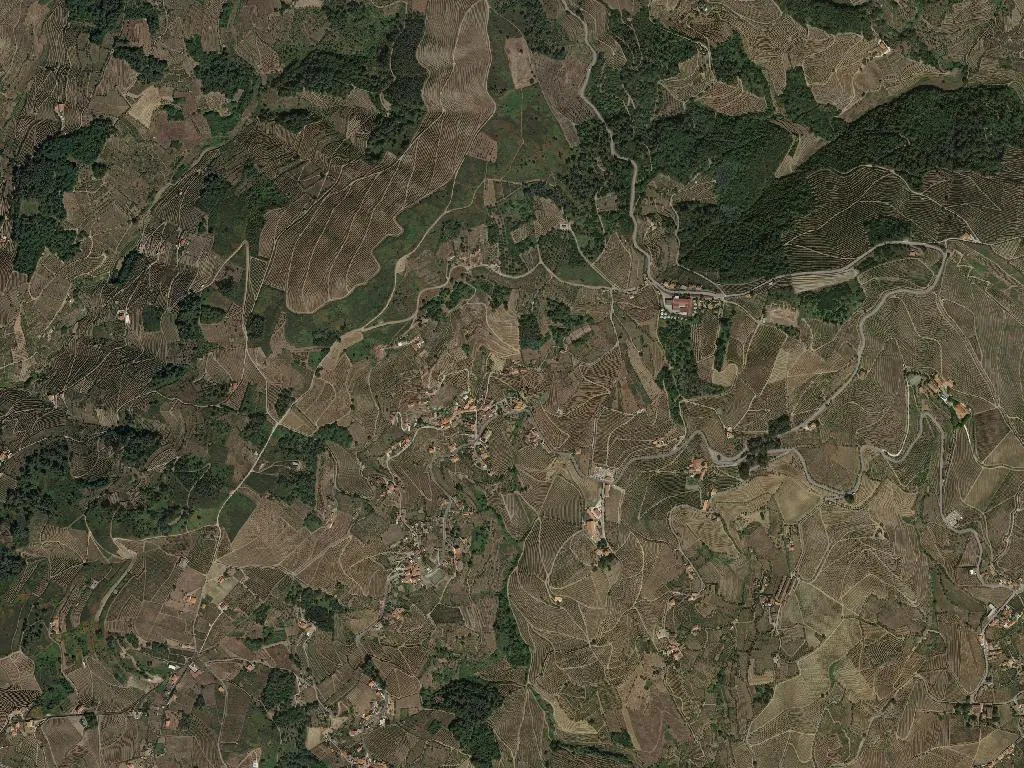
The sound arrives before the sight: wind drumming against slate, vine canes hissing like fuse wire, the church bell tolling midday as if time were elastic. At 515 m above sea level, Medrões commands a scalloped amphitheatre of schist terraces stitched with 150-year-old vines. Dawn warms the dark stone; by dusk it radiates the day’s heat back at the valley. In March, almond blossom flickers across the slopes like static.
Stone & vintage country
The parish took its name from the strawberry-tree thickets that still haunt the scrub. From the 1600s onwards, wine rewrote the landscape: hand-stacked slate walls created the staircases now protected as part of the Alto Douro UNESCO site. Santa Marta de Penaguião, the smallest municipality in Vila Real district, carries more vines per capita than anywhere else in Portugal.
Walking between rows
There are no signed trails. Simply follow the levada from Quinta da Avessada between olive and pergola until the Douro glints 300 m below. At dusk golden eagles plane overhead; the only percussion comes from lizards scattering shards of slate.
A Transmontana table
Winter smokehouses keep garlands of chouriço and alheira swaying over oak embers. Lunch starts with Vinhais ham sliced onto warm corn broa; feast days bring wood-oven kid and walnut cake. The Douro poured is always red, always local, and never rushed.
São Pedro & the return
On 29 June, emigrants flood back for São Pedro. After open-air mass and a procession, the village square becomes an impromptu wine salon: Quinta da Avessada decants vintage Port into whatever glass is handy. Stay past midnight and you’ll see the Milky Way unsullied by a single streetlamp. Come September, the same hands that once pruned now snip bunches into wicker baskets, the air thick with fermenting must on the very stone that first cradled these vines.