Full article about Sanhoane: Douro ham, bagaceira & a single-curve village
Terraced vines smoke-cured ham, 800-year schist hush above the river
Hide article Read full article
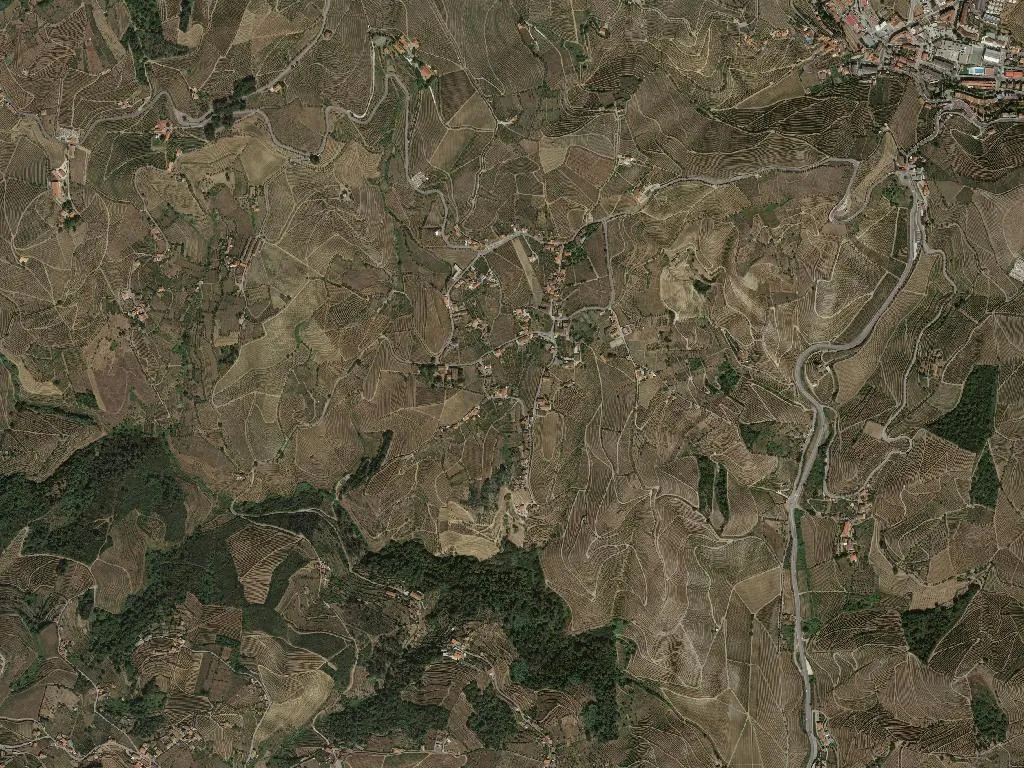
At three o’clock the dark schist terraces radiate heat; even the lizards retreat beneath the stones. Between the regimented rows of vines the only sounds are the distant scrape of a hoe and a wasp that hovers, thirsty for wine. Sanhoane, 309 m above sea level, clings to the hillside like a regular to a zinc counter: eight centuries in the same spot, posture unchanged – compact, self-contained, its single street curving round the church as if proffering an arm to strangers.
Name and parchment
Dom Manuel’s 1519 charter already lists “Sanhoane de Medim”. Scholars argue whether the name honours São João or some undocumented João who planted vines before kings bothered with serial numbers. The debate stays in the archive; in the village what matters is that after decades of civil attachment to Lobrigos, Sanhoane regains its own parish status in 2025 – a bureaucratic divorce celebrated with late-night aguardiente.
Terraces, grapes, seals
Every hectare lies inside the Douro Demarcated Region; even moving a single vine requires a form from Vila Real. The reds bristle with acidity that makes your eyelids flutter; if you’re offered a white from Dona Albertina’s cellar, expect a velvet punch. Bagaceira, double-distilled in copper, warms faster than any hearth. Slices of Vinhais ham – shaved diagonally so thin the plate shows through – carry a breath of oak smoke in each translucent fold.
The day the village doubles
29 June, São Pedro. Mass begins at eleven, but the queue for wedding rings forms an hour earlier. After the procession – up Rua da Igreja, down Beco do Fumo – the square becomes an open-air canteen. Sardines that were swimming yesterday off Vila Real, bread stuffed with alheira from Zé’s bakery, five-litre garrafões of tinto hauled in by António. Emigrants arrive with Lyon number plates; grandchildren from the outskirts of Porto speak Portuguese with a French accent. When the rancho strikes up “São Pedro vai na procissão” there are always tears that no one can quite explain.
Walking the valley, tasting the Douro
There are no way-marked loops or yellow arrows. Leave the tarmac of the EN322, climb the dirt track to the 1897 granite cross; the valley unfurls like a paper map. If Sr Domingos is pruning, ask whether any table grapes are left in the loft – he’ll insist there aren’t, then disappear and return with a dusty bunch. Skip the interpretive centre; drive five minutes to the Adega Cooperativa de Santa Marta, taste the reserva, buy one bottle – you won’t find the label on any British supermarket shelf.
831 residents, 359 hectares, one identity
Sanhoane is small, not moribund. The primary school still teaches 84 children. Quim’s café pours draught beer for fifty cents. On Sundays the seven-a-side team plays on a pitch half-way up the slope; a goal echoes clear to the Marão ridge. Vineyards are still tilled by mule; smokehouses fire up in November; sunset silhouettes voices on balconies. Doors stay unlocked; the neighbour’s dog sleeps on your step as if the stone were his by ancestral right.