Full article about Sever’s Dawn: Schist Terraces & Bell Echoes above Tâmega
Visit Sever in Portugal’s Marão foothills for sunrise over terraced vineyards, June São Pedro fests and foot-trod lagar wine—quiet village life above the T
Hide article Read full article
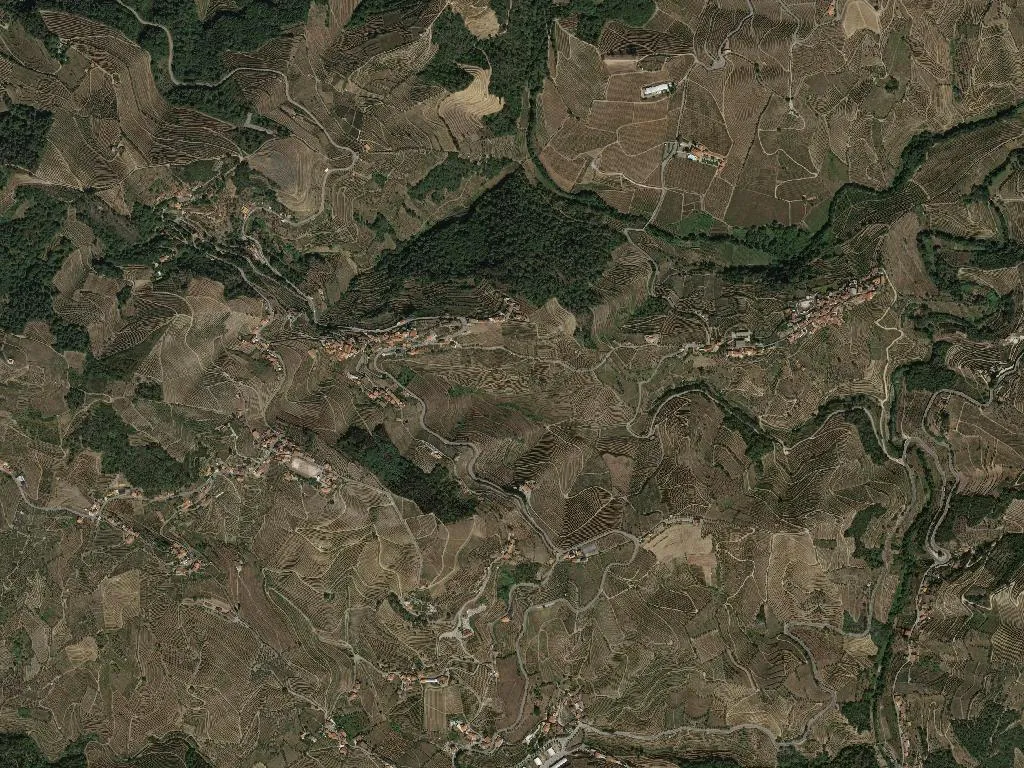
Morning light strikes the schist walls first, throwing each terraced row of vines into relief as the slope drops 300 metres towards the Tâmega. At 305 metres above sea level, Sever wakes to the single clang of a bell and the smell of damp earth rising from the valley. Narrow lanes amplify silence—broken only by a wooden door scraping open, a dog’s curt bark, the laboured climb of a delivery van.
Roots in the valley
The parish name surfaces in 16th-century baptismal books, probably from the Latin Severus or the Portuguese seixo, the smooth stones the river leaves behind. Sever was folded into the municipality of Santa Marta de Penaguião in 1836 and has since lived off mountain viticulture and small-plot farming. The 19th-century parish church, rebuilt after storms shredded its roof, stands white-walled against the dark-green ridge of the Marão that blocks the eastern horizon.
581 people share 616 hectares—one of the lowest population densities in the council. Of the 208 residents over 65, many spend evenings on granite benches beside the chapel of São Pedro, living archives of harvests and hard winters when children and ox-carts still filled the lanes. The 50 pupils at the primary school chase footballs across the concrete yard, yet the village’s future unspools as slowly as the lime peeling from façades.
June fires, September sweat
The Festa de São Pedro, the last weekend of June, detonates the calendar. Mass spills into a procession of flower-draped palanquins; a brass band lingers past 02.00. Returnees from France and Switzerland pack makeshift cafés in the churchyard, drinking last year’s red from thick glass tumblers. The air is half sardine smoke, half wood-smoke, strings of coloured bulbs sagging between plane trees.
September brings a quieter ritual. At dawn families fan out across the terraces with pruning shears, filling wicker baskets that swing down the slope on backs still strong from habit. In small stone lagares the grapes are trodden by foot, a UNESCO-listed choreography that has survived because no one here saw a reason to change it.
At the table, inland Douro
Kitchen fires are lit before sunrise. Kid goat roasts slowly, scented with garlic and bay, skin blistering to a crisp while the meat loosens around the bone. A cast-iron pot burbles with feijoada transmontana—butter beans, chouriço, salpicão, pig’s ear—mopped up with dense yellow corn bread. Thin, translucent slices of Vinhais IGP ham sit beside a carafe of wine that began life on the very terraces visible through the window.
Dessert is spoon-thick rice pudding dusted with cinnamon, fried filhós drizzled with orange-scented honey, a walnut cake whose recipe mutates imperceptibly between neighbours. Grandmothers measure cinnamon by wrist-flick; secrets are passed on only when the timing feels right.
Paths between vines and olives
Contour lines rule the landscape. Vineyards climb until the schist refuses, centenarian olives punctuate the paths, rock-rose and broom colonise the steeper waste. There are no signed trails, but the old dirt tracks braid the hamlet to its orchards and quintas, opening sudden frames of the Tâmega valley and the Marão beyond. Beside the school, a concrete bench and a rusting railing are enough to read the Douro’s geometry: horizontal vineyard stripes scored by vertical gorges.
Four village houses take paying guests who want the Douro without the river-cruise set. Santa Marta de Penaguião, five kilometres away, holds a monthly market where ham, goat’s-cheese rounds and honey in reused jars are weighed on hanging scales.
Evening wind carries the scent of kindling as ovens fire again. Behind a house, a woman pegs sheets to a wire strung between two fig trees. The bell strikes six—six slow beats that roll down the terraces and dissolve into the vines. In Sever, time is measured in bronze, not batteries.