Full article about Carrazedo de Montenegro e Curros: Woodsmoke & Waymarkers
Where granite doorframes meet pilgrim stones and horses parade through schist alleys.
Hide article Read full article
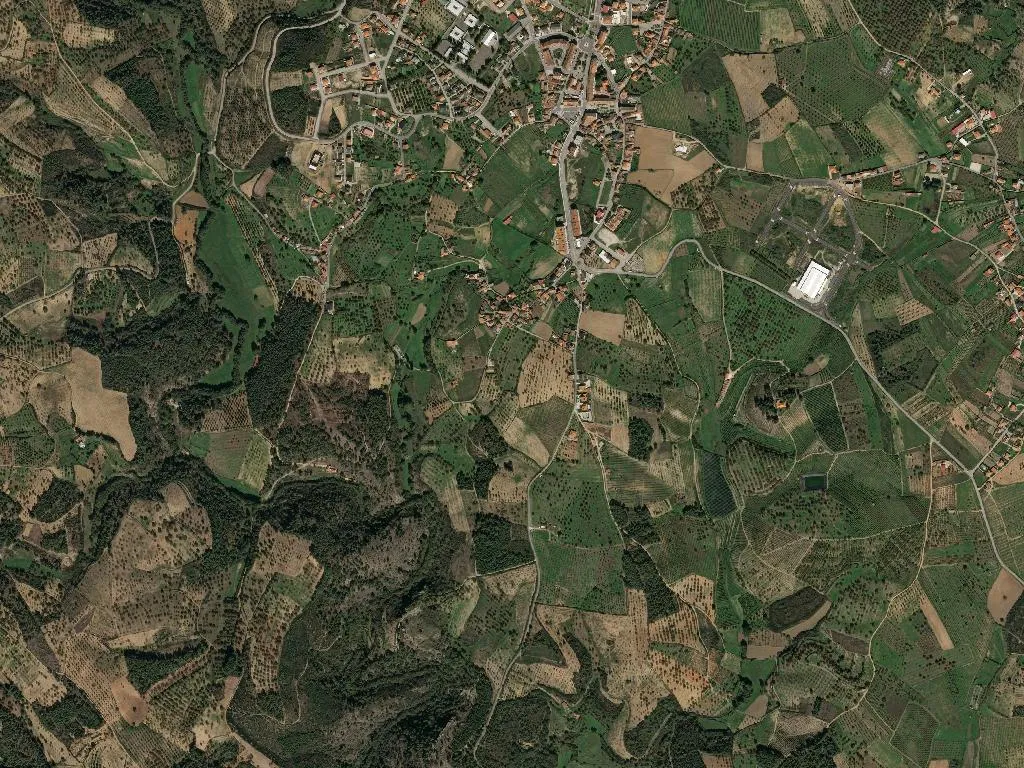
The first grey light finds wood smoke curling from slate roofs, carrying the unmistakable tang of home-cured chouriço down the terraces. At 719 m, Carrazedo de Montenegro and Curros feel suspended in their own weather system: granite doorframes, schist walls and a tempo that insists the wristwatch is optional. Officially the head-count is 1,643, yet everyone knows the real census is taken at dusk in the single tavern where the coffee machine never cools.
Pilgrim stones and parish memory
The main church, rebuilt in 1890, still keeps its gilded baroque retable polished for the village’s two annual weddings. Few realise it replaced a medieval chapel dedicated to St James; the scallop-shell way-markers along the old mule track suddenly make sense. Below, the single-arched Romanesme bridge over the Tinhela once echoed with booted feet: Covadonga-bound pilgrims, muleteers haggling over amphorae of rough red. The granite pillory—re-purposed as a boundary stone after the 1835 municipal reforms—still bears the iron hooks where the tax-shy were publicly shamed.
Horses in harness and August processions
August is a movable feast. On the 15th, Curros stages the Assumption procession: brass band, lace shawls, and cousins who emigrated to Paris appearing with carrier bags of Haribo for the children. Carrazedo answers with the Cavalhada: twenty horses clipped like carriage clocks, their brow-bands braided with beech leaves and crepe paper that matches the schist exactly. At Easter the Compasso circuit—priest, acolytes and swinging censer—blesses every threshing floor and vegetable patch; households signal they’re in by leaving the gate unlatched and a bottle of aguardiente on the wall. The exchange of Folar cake for fresh eggs still seals alliances between neighbours who haven’t spoken since the last council election.
Kid, schist and the taste of Terra Quente
Kitchens here are camera-free zones. At O Lagar, kid goat is slow-roasted in a wood-fired oven built into the hillside; the scent drifts uphill like a telegram. Chanfana—goat stewed in red wine and pepper—arrives with a doorstep of sourdough to mop the liquor. Winter calls for turnip-and-bean broth, served in the same chipped terracotta whether you own three hectares or arrived on the postal van. Locals drink young vinho de talha from 300-litre clay amphorae in the tavern; the serious stuff, aged in chestnut barrels, is uncorked only when the first grand-child graduates. Montenegro sighs—crisp meringue sandwiches—were invented to dunk in bitter bica, though grandmothers pretend not to notice when the children raid the tin.
Slate trails and lovers’ springs
The Schist Trail began as a grocery run: three kilometres of pack-track that feel like thirty when you’re carrying potatoes. Above Curros, the municipal oak-cork forest is pocket-sized but sufficient: children learn to distinguish holm from cork by the acorn cup, and autumn Saturdays are measured in kilos of chestnuts. The monumental cork oak at Cimo de Vila—2.3 m in girth—has already yielded eight harvests of bark for the wine trade. When the Tinhela swells, the nineteenth-century water-mill still turns; on St John’s Eve boys hike to the Poço dos Namorados and fling bay sprigs into the spring. No one asks which girl’s name is murmured—negotiations remain strictly between the suitor and the water.