Full article about Ervões: Presunto cured in 666 m mountain draught
In Trás-os-Montes, oak smoke, chestnut soutos and ageing hams outnumber the 534 villagers
Hide article Read full article
Where the smoke goes straight up
The oak smoke rises in a slow, unwavering plume, knotting itself around ceiling beams the colour of bitter chocolate. Outside, at 666 m, the Trás-os-Montes cold still snaps at your sleeves long after the sun has cleared the Barroso ridges. That daily seesaw—fireside heat, mountain chill—writes the script for everything that is cured, baked or bottled in Ervões. Five hundred and thirty-four souls, scattered across 21 km² of schist and gorse, keep the timetable of an older Iberia: pigs slaughtered after the first sustained frost, chestnuts threshed before All Saints’, dough proved in linen-lined bowls that never leave the kitchen table.
Altitude as ingredient
The ham here is not hung; it is weathered. IGP Presunto de Vinhais spends three winters in an attic where the thermometer rarely tops 6 °C, losing a third of its weight to a draught that no engineer could patent. The same altitude sweetens the Maronesa beef and the kid classified as Cabrito Transmontano DOP—animals that graze on broom and high-moor grasses until their meat tastes faintly of pine sap. Even the spring bread carries the mountain in its crumb: Folar de Valpaços IGP, a loaf that weighs close to a kilo, larded with smoked cuts and sealed with pig fat rather than butter. Sliced thick, it demands a glass of the local red—usually a field blend of Bastardo and Marufo that stains the rim of the glass almost black.
Arithmetic of survival
Demography tastes of yeast and smoke here. Two hundred and forty residents are over 65; only forty-six are under fourteen. Shutters stay closed on houses built by grandparents who imagined dozens of grandchildren; vegetable plots shrink to single rows of kale and white turnip. Yet the ledger is not all loss. On Saturdays you will still find somebody churning Terrincho DOP ewe’s milk into a wheel the size of a side plate, and every October the chestnut orchards—soutos of centenary trees with trunks like twisted rope—receive the same bent-backed harvest: thick gloves, hessian sacks, the sweet steam of scored shells hitting live embers.
A landscape that refuses to pose
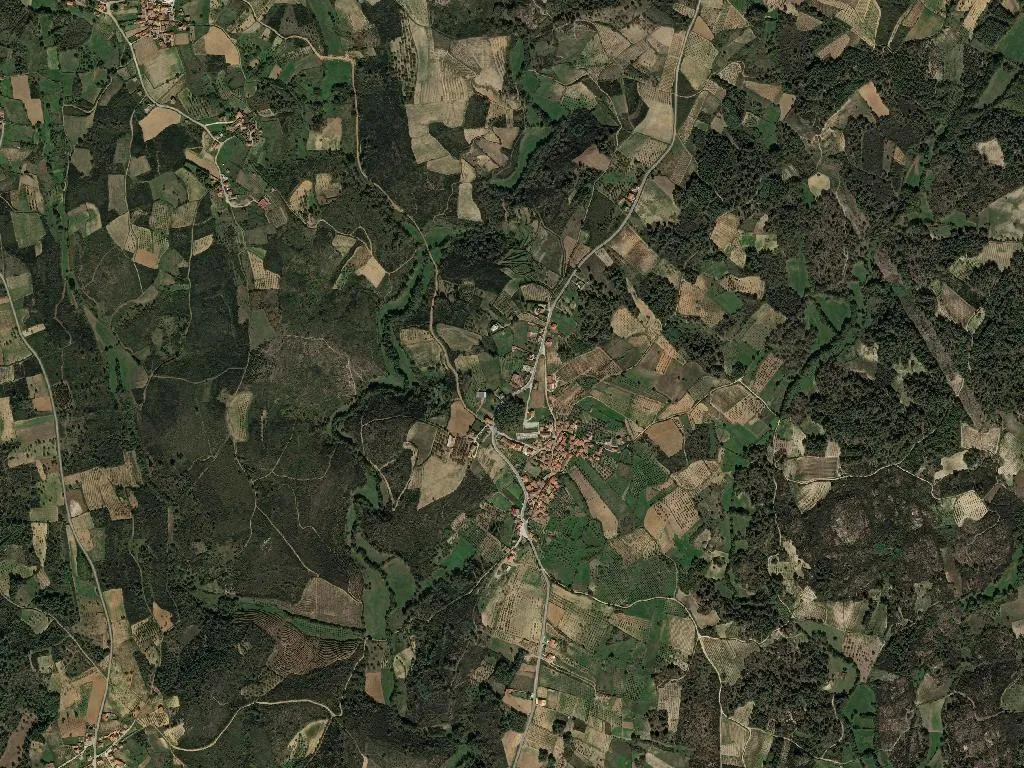
No signposted viewpoints, no roped-off ruins. Just 2,184 ha of granite walls dissolving back into the soil, terraces of yellow-fleshed potatoes (Batata de Trás-os-Montes IGP) fighting the bracken, and beehives parked on south-facing ledges where the bees work heather, rock-rose and late chestnut blossom. The resulting honey, dark as espresso, crystallises within weeks; locals spoon it straight from the jar instead of dessert.
Ervões will not hand you a moment for social media. It offers something narrower and deeper: the scrape of granite under your palm as you climb a stone stile, the smell of oak smoke you carry home in your sweater, the afternoon hush broken only by a dog whose bark echoes across two valleys. What you taste—whether ham, cheese or chestnut—has never been fashionable because it was never optional. It is geography distilled into survival, then raised, quietly, to art.