Full article about Fornos do Pinhal: oak-smoke & granite silence
In Valpaços’ highest parish, 320 souls keep chestnut fires, DOP cheese and stone houses glowing.
Hide article Read full article
Woodsmoke over schist
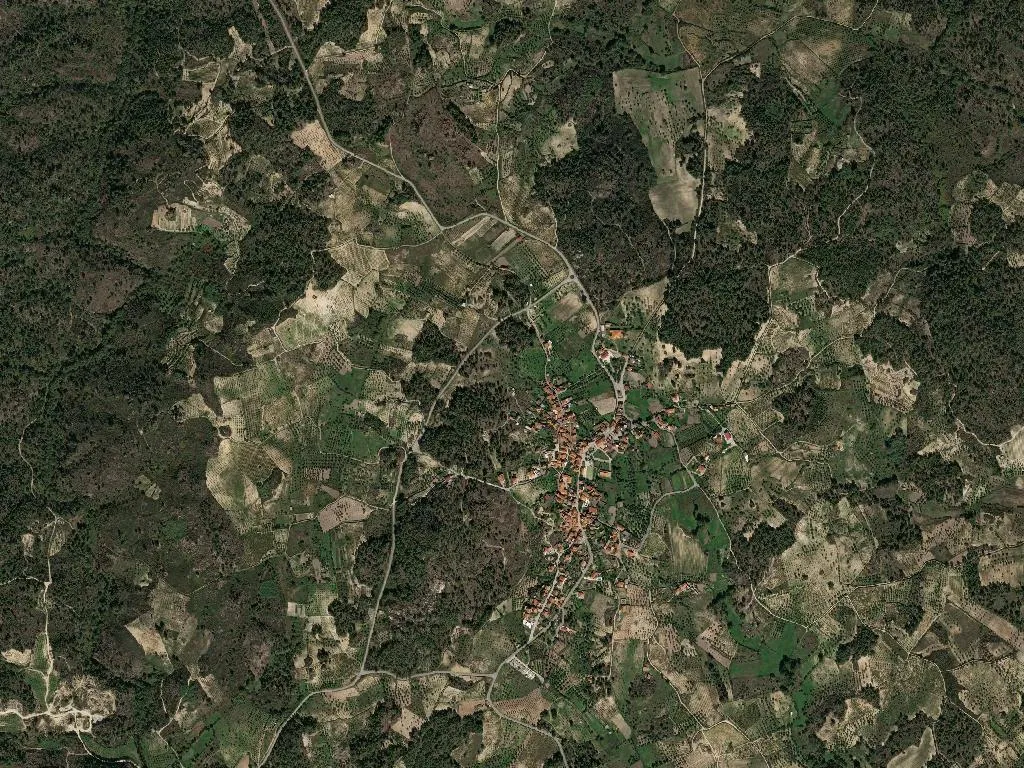
At 475 m above sea-level, the morning air in Fornos do Pinhal still carries the tang of burning oak. The smoke drifts across a parish barely larger than the City of London, yet home to only 320 souls. Granite outcrops nudge between chestnut groves and the high-walled vegetable plots that the Portuguese call hortas. One in three residents is over 65; fewer than twenty are under fourteen. Demography becomes geography: the lanes are quiet, the seasons loud.
Carved in honey-coloured stone
There is no swaggering monument here, only a single building listed for public interest: a stone house whose walls glow like burnt sugar when the sun glances off them at dusk. The same Barroso granite shapes every dwelling—deep eaves, corridors thick enough to stay cool even in August—built by farmers who expected their grandchildren to inherit both the land and the lintels. What looks like modesty is confidence: architecture that outlasts mortgages.
A kitchen without quotation marks
Folar, the Easter loaf, is still kneaded in terracotta bowls at Dona Alice’s bakery, the dough blanketed with a wool cloth while it rises. On feast days, Celestino’s smoked ham arrives in translucent slices, flanked by yellow potatoes that Guida lifts from the plot beside the chapel. Cidália’s sheep’s-milk cheese is stamped with the DOP mark Queijo de Ovelha Transmontano, but its real credential is the pasture she has walked since childhood. After school, Mr Joaquim’s granddaughter warms her hands at the living-room hearth where he is already toasting autumn chestnuts; the same fire, the same tongs, half a century apart.
A density of protected flavours
Fornos do Pinhal sits inside a cluster of certified foods so tight it would make a French appellation controller blink. Yet regulations are footnotes to routine: António still drives his Maronesa cattle up the common grazing every dawn; Zé’s lamb grazes behind its mother until the day it becomes Cordeiro de Barroso—a PGI label learned long before letters. Laura’s heather honey tastes of hillside urze because the hives stand above the oak wood, not because a rulebook says they must. The names—Mel da Terra Quente, Barroso Lamb—are tasted first at the São João bonfire, then again on Sunday tables.
Silence with an echo
With barely thirty inhabitants per square kilometre, walking here is an exercise in acoustic space: a dog barking two valleys away, the five-o’clock clang of bells as goats descend a track invisible behind gorse. The vineyard terraces, hacked out fifty years ago by the priest’s father, cling to schist like stubborn handwriting. During vintage, the air smells of crushed grapes fermenting in open stone lagares; children return to lessons with purple knuckles. As the sun drops, vertical threads of smoke rise from chimneys—Mrs Rosa has lit the range for soup and tea. Nothing is advertised; everything happens between stone and loaf, exactly on time.