Full article about Padrela e Tazem: granite silence at 866 m
Valpaços parish where altitude seasons Carne Maronesa and winter locks the rye
Hide article Read full article
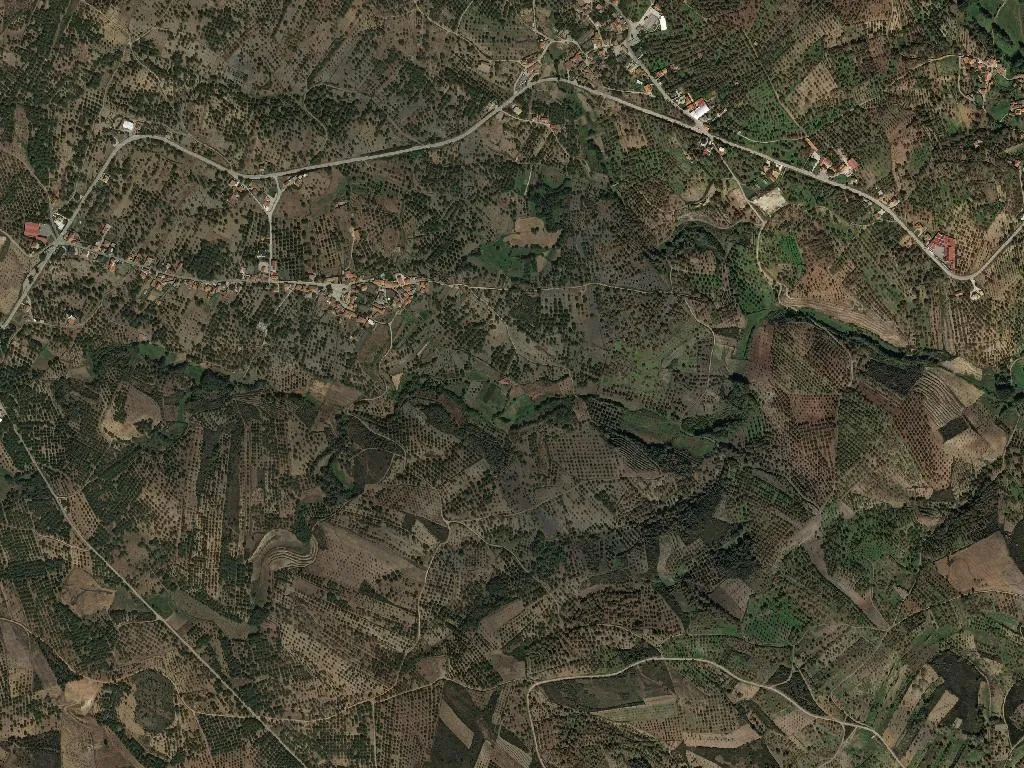
The morning cold bites at 866 m, high on the granite spine that separates the valleys of the Tua and Sabor. Wind scours the plateau of Padrela e Tazem without interruption; the silence is almost viscous, broken only by the faint jangle of a cow-bell or the muffled bark of a Serra da Estrela sheepdog. Across 23 km² of heather and gorse live 277 people – fewer than twelve per square kilometre – scattered about a natural amphitheatre where altitude dictates the timetable: when rye is sown, when potatoes are lifted, how fast bread dough rises.
Thin air, thinning population
Open the parish ledger and the arithmetic is brutal: 17 residents under thirty, 104 over sixty-five. Dark-granite houses – some with shutters permanently closed, others still exhaling wood-smoke from last night’s fire – stand like small bastions against a geography that offers no favours. Winter here is not a literary device; it is a physical fact measured in millimetres of ice on the water trough and in the stacked length of oak logs against the north wall. The elevation decides which rye varieties will survive, which cattle breeds grow the required layer of back-fat, even how crusty the weekend loaf emerges from the communal oven.
A larder labelled by altitude
The kitchen is where climate is forgiven. On the table the acronyms DOP and IGP are not marketing garnish but edible genealogy. Carne Maronesa, from cattle that graze these high pastures year-round, arrives on the plate tasting almost alpine – deep, iron-rich, faintly wild. Cabrito Transmontano is simply salted, garlic-rubbed and slow-roasted until the skin lacquers itself. Borrego Terrincho and Cordeiro de Barroso are not menu adjectives but distinct lamb terroirs, each carrying the herby tang of upland browse.
In the smoke-blackened attics of Valpaços, Vinhais hams darken to mahogany; below them chestnuts from the Terra Fria zone are folded into game stews that thicken overnight on the wood burner. Honey labelled “Terra Quente” – a geographical term, not meteorological – sweetens rye bread so dense it could anchor a roof. The Folar of Valpaços, a savoury brioche spiralled with cured meats, is rationed in wedges that see labourers through a day’s wall-building.
Even the potato earns respect. The regional variety, cultivated in thin, schisty soils, keeps its shape after an hour in the kettle and emerges from a bread-oven casserole intact, nutty and waxen. It is never a side dish; it is co-star.
Walking the ratio of land to life
Strike out on the dirt road that links Padrela to Tazem and you calibrate yourself against emptiness. The eye travels kilometres to find a moving figure. Villages disclose themselves reluctantly: a single-barrel bell tower, a threshing floor, four houses huddled as if for warmth. The wind ferries the smell of wet granite, of fresh manure steaming in byres, of oak smoke curling from chimneys – aromas as diagnostic of altitude as the mercury column.
At five o’clock, when the sun drops behind the 1,100 m ridge of Bornes, women in headscarves return from the potato fields with wicker baskets on their forearms. In Tazem’s only café the espresso machine dates from the last century but still produces a 30 ml shot with a 1998 crema. From across the plateau the church bell of Padrela tolls its indifferent twenty-five strokes; no one counts, yet everyone hears.