Full article about Possacos: Where Granite Boulders Guard Wheat & Memories
Valpaços hamlet breathes resin-scented air, hand-tended vines and 18-month cave-cured presunto.
Hide article Read full article
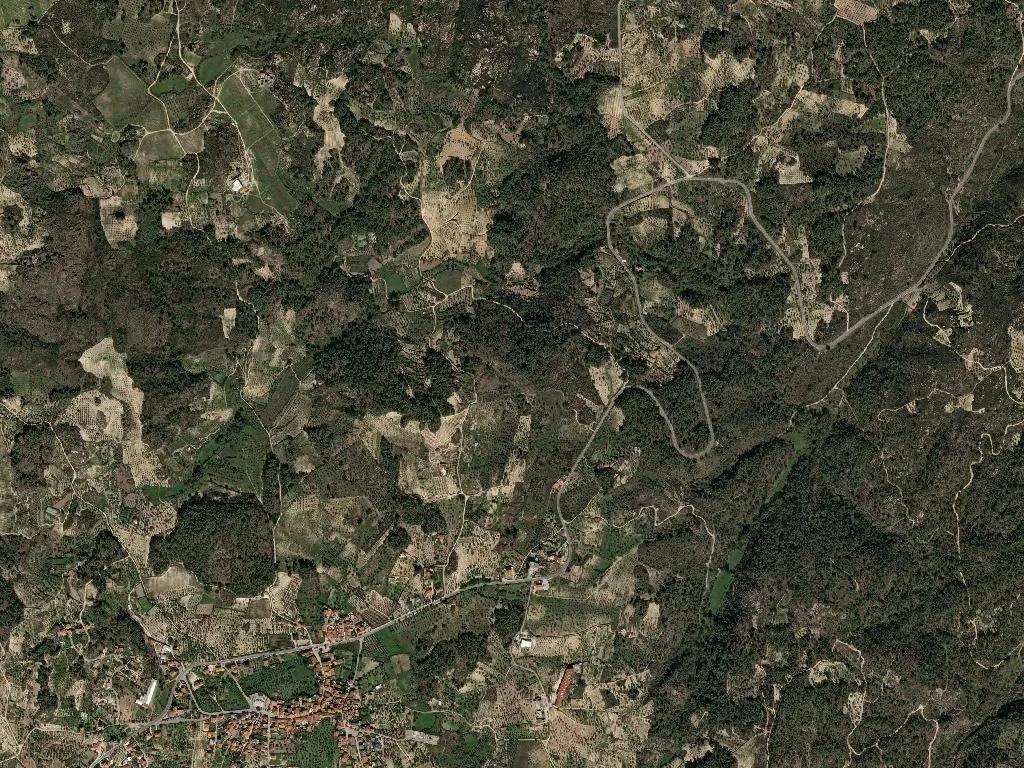
Granite boulders shoulder their way through the wheat stubble like geological gate-crashers. At 409 m above sea-level, Possacos is high enough for the air to carry a thin scent of resin, yet the village itself is a three-minute stroll from café to last house – four if you stop to explain your surname to the neighbour who knew your grandfather’s cousin. The name derives from pousado, a place where flocks once rested; the cows still observe the bargain, watching from dry-stone walls with the unhurried contempt of bouncers.
Fields, vines, elders
The 1758 Memórias Paroquiais already list Possacos as “lugar com igreja”: a settlement complete. Its triad remains wheat, vines, ancient olives. The hillside terraces are too narrow for machinery, so the rhythm is hand-held: red grapes that demand an August without rain, olive roots that store the day’s heat and release it after dusk – a thermal sleight-of-hand locals never confess to outsiders. Of the 358 residents, 183 are over 65; on weekdays there is always a free table at the café.
Tastes that outlast the cooker
Trás-os-Montes potatoes are the sort that survive an afternoon of gossip in salted water without collapsing. Kids and lambs graze the scrubland diet of wild thyme and genista; you can taste it in the roasted meat. Presunto de Vinhais hangs in loft-dark kitchens for eighteen breezy months, losing a third of its weight to patience. The folar – anise-scented loaf layered with cured ham – appears only at Easter and saints’ days; any more often and it would bankrupt the daily bread. When grandchildren arrive in August, grandmothers fill paper bags with chestnuts and heather honey “for the journey”; city cupboards still smell of smoke months later.
Granite, silence, a dog that knows your step
The 16th-century church of São João sits square in the middle of the largo; its porch is the compass for anyone arriving after dark. Every threshold is granite, polished by boots that no longer walk. There is a classified 18th-century shrine, but ask for directions and you’ll be waved vaguely “up there” – the village GPS is a lifted eyebrow. Density: 27 souls per km² – enough space to hear your own lungs, the neighbour’s dog, the rasp of a hoe. At dusk the smell of singed straw drifts from Dona Alda’s wood-fired oven, blending with the clonk of cowbells – a playlist older than streaming, and still ad-free. Come for lunch, linger for supper, but don’t say you weren’t warned: conversation slows to the speed of rising bread, and the night silence is so complete you can hear your pulse negotiating with the stars.