Full article about São Pedro de Veiga de Lila: Smoke, Schist & Silence
243 souls, oak-smoked hams & vines on 45° schist ridges above Valpaços
Hide article Read full article
Smoked Meat at Dawn
A ribbon of blue smoke unspools from the smokehouse, braiding itself into the dawn fog. São Pedro de Veiga de Lila wakes reluctantly, joints stiff at 633 m above sea level. On these granite terraces the Minho wind sharpens its teeth; every movement is deliberate, measured. Wood smoke—oak, always oak—leaks from chimney pots and drifts down the single lane, scenting the air with centuries of winter survival. The parish totals 243 souls, most born before motorways or mobiles, and every one of them knows precisely how long a log must season before it will hold a fire all night.
The Arithmetic of Silence
Twelve children, 117 pensioners. The primary school shut its doors in 2009, yet the echo of playground voices still surfaces in the café whenever someone orders a bica. Population density: 12.54 residents per square kilometre, which translates to long, echo-absorbing gaps between houses and the low rumble of a lone Massey-Ferguson rather than traffic. This is not abandonment; it is a calibrated staying-power.
Cold-Weather Rations
Transmontana cooking refuses to do anything by halves. When the mercury stalls just above freezing, calories are survival. On every table you’ll find Presunto de Vinhais DOP, its haunch still wearing a felted coat of winter mould; Carne Maronesa IGP from long-horned mountain cattle; and slabs of Folar de Valpaços—bread layered with smoked chouriço and presunto—technically an Easter loaf but eaten year-round because no one sees the point in waiting. Terrincho DOP goat’s-cheese firms on rough-sawn pine shelves; chestnuts from the nearby Terra Fria become flour, fritters, or a side dish for Sunday roast; and at the back of every larder a jar of amber Mel da Terra Quente waits for the throat-scratching mornings.
A Landscape That Ignores Likes
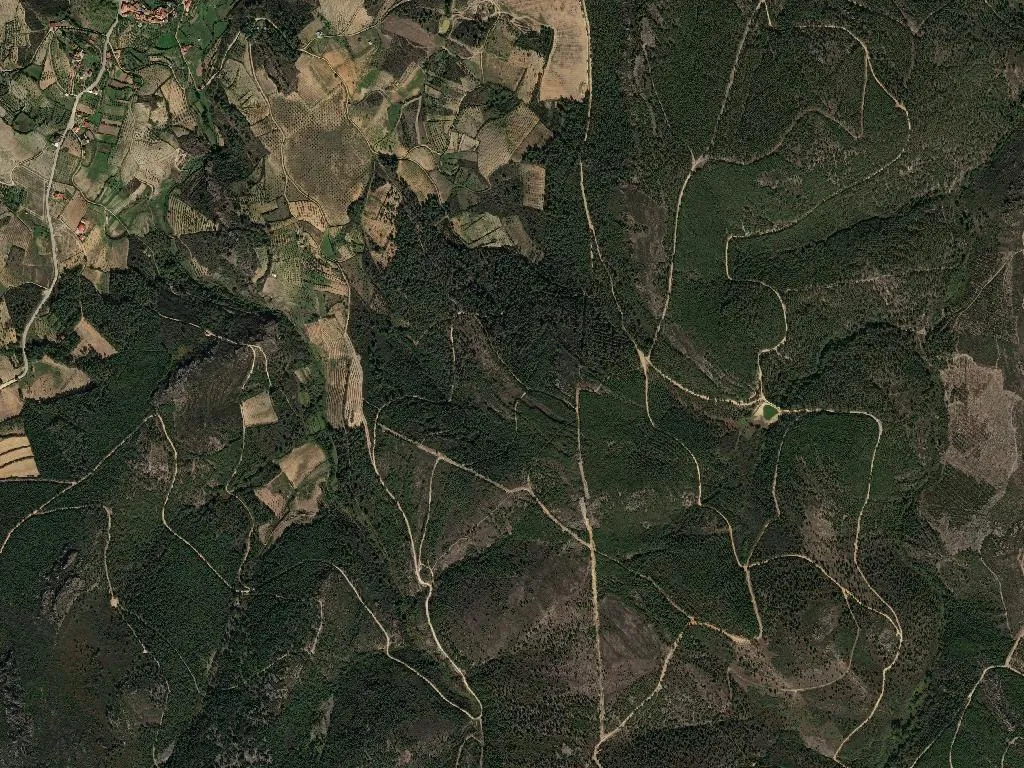
The parish spreads across 1,938 ha of schist wrinkle and gale-scoured ridge. Vines cling to gradients that would terrify a chamois, their roots prised into seams of mica-studded rock. The local potato, Batata de Trás-os-Montes IGP, grows so slowly its starch grains feel almost waxy—perfect for the thick, rib-coating caldo verde served after the November matança. There is only one guest cottage, so sunrise is still announced by the church bell rather than an iPhone alarm. Walk in any direction and the loudest sound is your own coat zip.
At dusk the granite glows orange, the smokehouse issues its last blue thread, and tomorrow will repeat today—an unshowy, stubborn magic that no filter has ever improved.