Full article about Valpaços e Sanfins: folar ovens & almond snow
In Valpaços e Sanfins, Lent’s cinnamon folar cools beside 18th-century manor gardens and smugglers’
Hide article Read full article
The scent of Sunday bread and woodsmoke
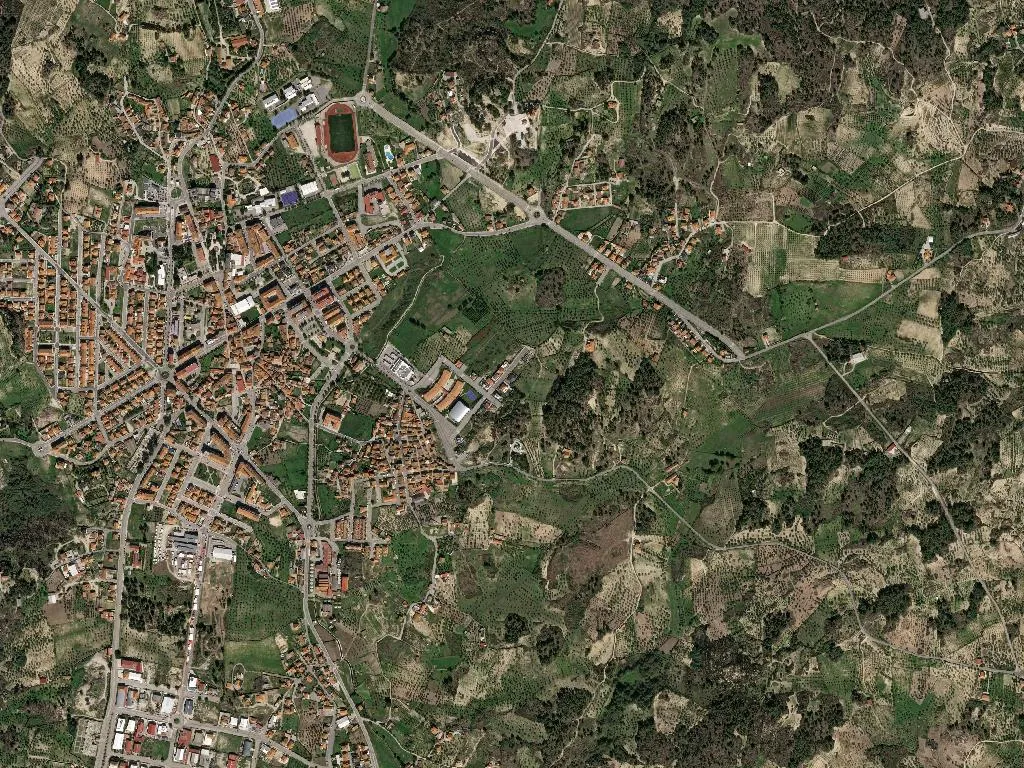
The aroma of warm bread drifts from the communal ovens, tangling with woodsmoke in a way that drags me straight back to childhood Sundays when my grandmother dispatched me to the well and I returned with a loaf crackling under my arm. Behind the eighteenth-century manor houses, kitchen gardens still shelter olive trees she swore were “older than the parish itself”. It is fair day – the first Sunday of the month – and producers unpack crates in the main square beside the pillory that stands like a retired sentry watching time drift by. The bell of São Tiago parish church tolls the hour with the unhurried confidence of something that expects to be here for centuries more.
Folar capital of Portugal
Valpaços e Sanfins owns the only Protected Geographical Indication folar in the country – a glossy, cinnamon-scented loaf folded around marzipan and presunto. Don’t expect to find it year-round; production is strictly seasonal, dictated by Lent and Easter. Drop into the tiny Bread & Folar Museum and you may find D. Lurdes kneading dough in her checked apron. She will tell you, flour drifting onto the floorboards, that the trick is “no rushing, no fear of dirty hands”. When the folar emerges, burnished and scarred like a medieval tile, the perfume is an invisible thread that reels exiles home.
Between schist walls and holm-oak woods
At 428 m the land ripples like a hand-stitched quilt. Dry-stone walls divide smallholdings planted with olives, vines and the almond trees that flower overnight in January, turning the hills momentarily into snowdrifts. The Torno river meanders south, slow as a cat in sunshine, its loops so languid they look permanent. Footpaths follow smugglers’ routes once used to move salt and coffee across the Spanish border; the silence is thick enough to hear your own pulse and, overhead, the buzzard’s mew that seems to warn: mind where you tread.
The ancestral cycle of bread
The Roman bridge at Pêso has been rebuilt so often it has forgotten its own birthday. In the manor houses coats-of-arms hang above granite doorways like family portraits whose dates nobody can quite recall. Yet the communal bake still rules the agricultural year. On the morning of the monthly fair, wood is lit at four a.m.; by seven the ovens glow and women arrive carrying trays of risen dough. Later, the scent of açorda – a coriander-scented bread soup studded with poached egg and mountain ham – drifts across the square, a smell, my grandmother claimed, that could bring the dead to table.
A Transmontana table
This is not restaurant food; it is farm kitchen fare. Terrincho DOP lamb, milk-fed on the high plateaux, arrives roasted with garlic and mountain rosemary. Transmontano kid is slow-cooked in a black-iron pot until the meat slips from the bone. Chestnuts from the Terra Fria DOP appear as purée, as stuffing, as dessert with a spoon of honey from the Terra Quente. The local reds – thick-skinned bastardo and touriga franca – are poured into glasses that are refilled faster than the conversation can dry up.
Pilgrims and wooden masks
On 25 July the romaria of São Tiago turns the parish into a temporary open-air ballroom. Processional banners sway, brass bands compete, and the square smells of grilled sardines and sugar-dusted filhós. At Carnival the caretos return: men in fringed woollen suits and painted wooden masks who charge through the lanes rattling cowbells, a pagan surviving inside a Catholic calendar. In mid-January the chapel of Sanfins distributes hot broa – cornbread stamped with the saint’s image – to everyone who queues in the frost. Eat it while it steams and you understand why locals call it “a piece of heaven, only it tastes of maize and earth”.
When the fair packs up, the square exhales a mixture of bread crust, woodsmoke and cold river air impossible to bottle or replicate. It lingers on coats and scarves, reappearing unbidden months later in a London lift or a New York taxi – Valpaços’ calling card, an olfactory X-ray of a place that still keeps time by dough rising and church bells.