Full article about Sabroso de Aguiar
Stone ovens perfume the plateau above Vila Pouca de Aguiar after the 2017 fires
Hide article Read full article
Smoke from the ovens
At dusk the smoke does not rise from chimneys—those are silent until December—but from the stone ovens behind the houses. Kid goat, scored and rubbed with rock salt and rosemary, drips onto the embers. The smell is part fat, part resin, part soil still learning how to breathe after the 2017 fires that took 8,000 hectares of Alvão oak and pine.
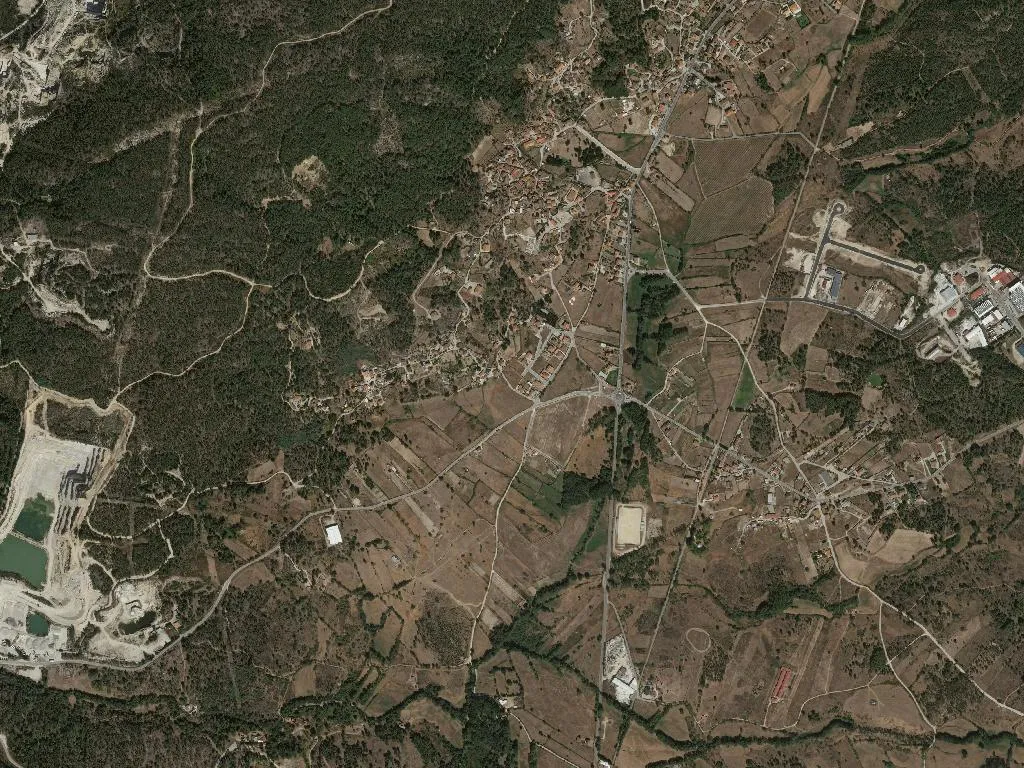
Sabroso de Aguiar sits at 568 m on the brow between the Aguiar plateau and the granite ramparts of the Serra do Alvão. The Romans called the place sabrosu—tasty—and the name has stuck, even if the chestnut trees that once shaded the cobbled lanes are now charcoal stubs.
The church that refused to fall
Igreja Matriz de São João Baptista closes the square like a pale 18th-century full stop. Its limestone blocks are brighter than the surrounding schist cottages; the baroque altarpiece inside still carries the scorch marks of October 2017, when the parish priest and half the village formed a bucket chain from the stone tank. Parish records begin in 1546; on 24 June each year they are read aloud before the procession, the bell tolling once at noon so the echo can travel the unpaved roads to Vreia de Bornes and back.
What lunch costs
Small terraces behind every house grow the Trás-os-Montes PGI potato, irrigated only by winter streams. The same plate arrives at every table: crackling-skinned Barroso kid, Maronesa beef the colour of beetroot, lamb that tastes of broom and heather. Potatoes are simply “wrinkled” in salt; the wine is house-red from the valley floor. Dessert is Barroso DOP honey, still warm, poured over fresh curd or rye broa. Eating here is not performance; it is Sunday rent, funeral food, the taste of primary-school prize-giving.
Paths without arrows
Tracks leave the village past new pine plantations and dry-stone walls that predate the Peninsular War. There are no waymarks, only granite wayside crosses, spring fountains that run even in August, and the occasional kilometre-stone from the abandoned Corgo railway. Scorched trunks stand among the saplings; green shoots measure time in years, not seasons. The Ecopista do Corgo—22 km of asphalted rail-trail—passes 2 km west, but these footpaths stay local, used by goat-herds and the odd German couple with OS maps.
When the village doubles
During the Festa da Vila e do Concelho the 548 residents are joined by 2,000 returnees: Paris electricians, Porto nurses, a Norwich plasterer. Stalls sell Vinhais IGP ham sliced by pocket knife, and the brass band plays Rancho Folclórico until the field in front of the church is white with napkin-covered tables. At sunset smoke from the roast pits mingles with hill fog; the smell of goat clings to coats and conversation long after the last fire is doused.