Full article about Vreia de Bornes: Dawn on Schist at 630 m
Honey-stone roofs, oak-smoke chouriço, Maronesa beef: Trás-os-Montes life at 32 souls/km².
Hide article Read full article
The slant of the light
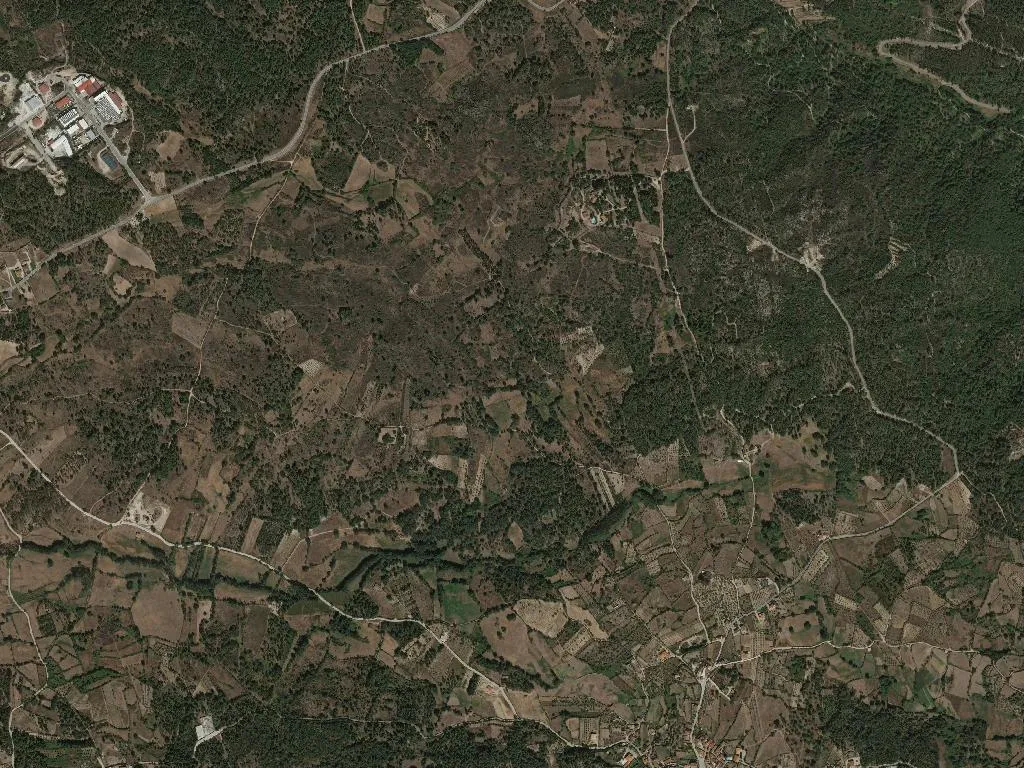
Dawn slips over the Serra da Padrela and strikes the schist roofs of Vreia de Bornes at a 630-metre angle, turning the stone the colour of burnt honey. By ten o’clock António is already back from his potato plot, Alice has scoured her front step, and Adelino’s café has pulled its third espresso of the day. The village spreads across 17 square kilometres of north-eastern Trás-os-Montes where population density is 32 people per square kilometre—enough for a farmhouse to stand in its own amphitheatre of silence, broken only by wind in the eucalyptus or the faint bark of Totó, the parish dog.
Between dry-stone walls you can still read “1976” picked out in pebbles, the year the dictatorship fell; the letters are mossed over but the date remains a quiet act of graffiti.
The taste of height
Up here, food is not performance—it is what the day gives you. In Sr Joaquim’s smokehouse hams have been swinging since his grandson was born; the chouriços, oak-smoked for weeks, carry the same tannic sweetness as the barrels his father used for red wine. Ze Manel’s kid goat is roasted over a wood-fired hearth until the skin fractures like caramelised sugar; the animal grazed yesterday on the same broom-covered slopes you hiked this morning. Milk-fed lamb appears only on Sundays and feast days, its flavour condensed from high-altitude grasses that stay green even in August.
Sr Albano’s heather honey is so viscous it tears the rye bread, baked by his wife at dawn and still warm when you arrive. The beef—Maronesa DOP—comes from cattle that wander the Padrela plateau, their belled collars clanking somewhere between the granite outcrops and the threshing circles. None of it carries a marketing label; the seal is memory.
The day the village doubles
Every August the Festa da Vila e do Concelho hauls in cousins who emigrated to France, Brazil, Manchester. The population jumps to four figures, chestnut stalls charcoal the air, and a cover band called Ferrugem—Rust—blasts the same late-Nineties Europop CD they have used since 1998. Sardine smoke drifts across the football pitch until the priest checks his watch and the mayor finally lowers the volume.
Yet Vreia de Bornes reveals itself in the unmarked days: winter fog slithering up from the Rabaçal valley; midsummer afternoons when heat softens the granite into putty and villagers retreat to the shade of the 18th-century cruzeiro; star-pierced nights when foxes scream like brakes and the Milky Feel looks close enough to snag on the telephone wire.
Staying
Dona Helena’s son turned the family granary into a two-bedroom flat with wi-fi and a wood-burner. No porcelain roses, no discount vouchers—just the offer of time measured by church bells and the squeak of the weather vane. Wake, walk to the medieval pillory and back, accept a warm queijo fresco from Sr João’s cow, listen to him explain why the potatoes go in on Saint Joseph’s day.
Between houses there is enough space for your gaze to lose itself, for silence to settle like dust. The schist and granite talk if you let them: here a lintel carved 1894 by a migrant who sailed to Rio; there a primary school that once taught fifteen siblings from the same family, now a toolshed smelling of walnut oil and paraffin. At dusk smoke rises straight from chimneys—an announcement that someone has lit the fire, that someone still lives here, resisting in the same way the thousand-year-old olive in the allotment keeps giving three bottles of oil a year.