Full article about Folgosa
Walk mule paths between Port terraces and ancient chestnut groves in Folgosa, Armamar, where schist cottages glow at dusk.
Hide article Read full article
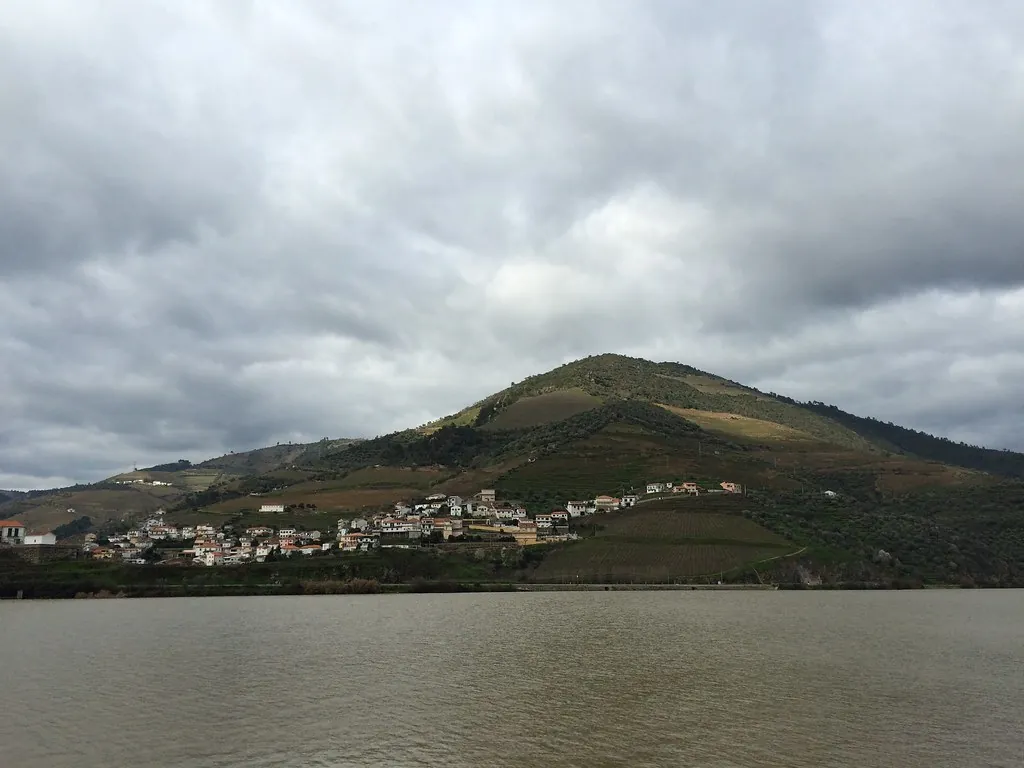
The schist walls of the socalcos still radiate warmth long after sunset. In the Tedo valley, UNESCO-listed terraces stitch the slopes with vines that stop just short of the river. Folgosa, population 334, covers 480 hectares whose name descends from the Latin follicosus—land that swells with fertility.
Wine & Chestnut
Quinta do Tedo presses small-batch Port and cold-extracts organic olive oil. Above the village, Soutos da Lapa’s ancient chestnut grove yields DOP fruit: ivory flesh, honey-sweet, firm enough for festival rice pudding and autumn cakes.
Village Centre
Seventeenth-century Igreja de São Gregório faces a granite baptismal font hauled downstream in 1703. The chapel of Nossa Senhora da Piedade stages candle-lit processions each Easter. Schist cottages alternate with silent haylofts; smoke rises only where someone still lives.
Table
July’s Feira de Santiago grills chouriço over vine prunings, slices Serra cheese onto corn bread, and ladles kid stew coloured with sweet paprika. Chanfana—goat braised in Douro red—simmers in blackened pots. Chestnut cake appears only on feast days.
Trails
Mule paths climb to a ridge where short-toed eagles ride thermals above olive groves. Stone crosses mark the way; every turn reveals another geometry of terraces and the Tedo’s silver thread below.