Full article about Dawn Bells & Granite Echoes in Oliveira do Conde
Walk 16th-century cobbles, unlock a 1756 shrine, taste Dão wine rooted in granite soil.
Hide article Read full article
The Cobbles Speak
The stones click beneath my soles, each irregular granite piece burnished by three centuries of footfall. In Oliveira do Conde, the only sound at 07:30 is the parish church bell — a low B-flat that rolls over terracotta roofs and dissolves into the regimented rows of Touriga Nacional vines slipping down to the Dão valley. October’s sidelight gilds the whitewash and a wisp of vine-prunings drifts from a chimney like incense.
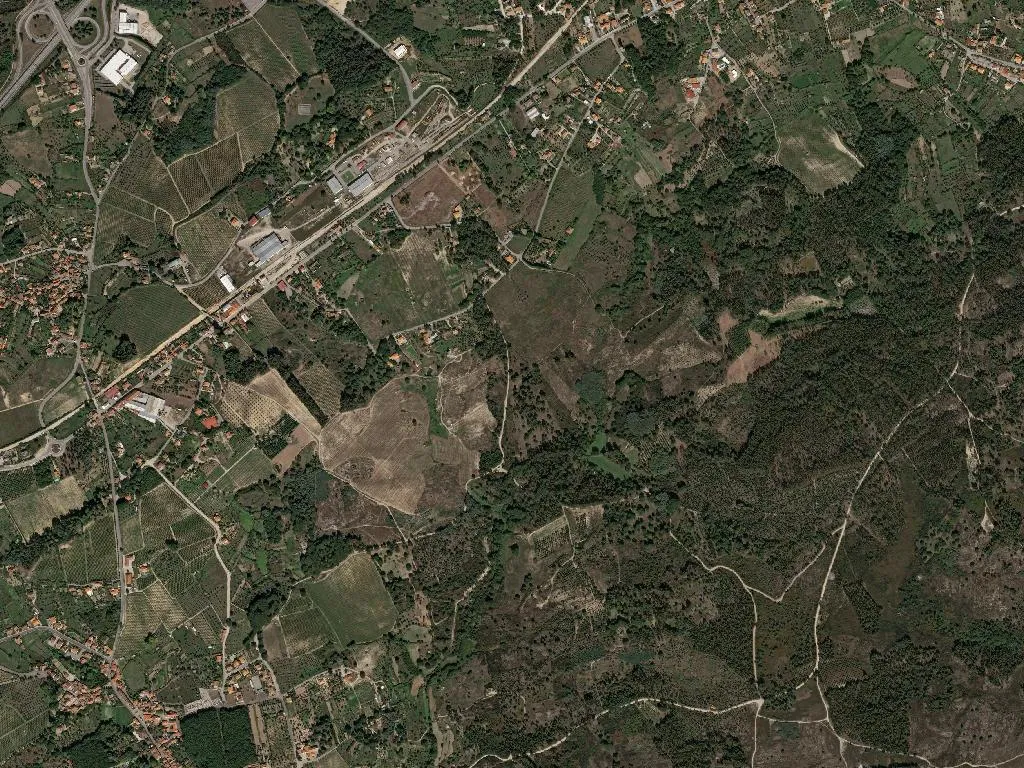
Oliveira do Conde spreads across 35 km² of schist and granite at 291 m above sea level, its contours stitched by dry-stone walls that date to the 1755 land-registry reform. You are inside Portugal’s smallest demarcated wine region: 380 ha of Dão DOC vines rooted directly in decomposed granite, the same soil that built the village’s six classified monuments — including a national-prize Manueline doorway rescued from a dissolved monastery in 1910.
Stone Archives
History here is quarried, not written. Run a finger along the 16th-century pillory opposite the café and you’ll feel the groove where iron chains once bit; the granite still bears a sheen from the sweat of those who stood there. The parish council keeps the iron key to the 1756 crossroads shrine; ask at the counter and they’ll hand it over without forms or fuss, trusting you to return it before the 18:00 closing time.
Demography shapes the soundscape: 897 residents are over 65, only 295 under 14. By 10:00 the pastelaria is a parliament of flat caps and weekly lottery debates; by 14:00 the only customer is the baker’s dog. Density is 79 people per km² — silence has room to breathe.
Where to Eat & Sleep
O Cacimbo fires its wood oven only on Fridays and Sundays for leitão and roast Dão lamb; call +351 232 660 123 before noon or you’ll be offered yesterday’s bread. Café Central on Praça Doutor João de Almeida opens at 07:00, pours espresso from a cloth filter for €0.65 and will sell you a warm pastel de nata for €1; they advertise wi-fi but the password died with the router three routers ago.
There are three legal beds in the entire parish: two self-catering cottages and one three-room townhouse, all booked via the council website and cleaned by Dona Alda, who leaves a bottle of Encruzado on the kitchen table and expects the bottle back rinsed.
Dusk
When the sun drops behind the Serra do Caramulo, granite walls blush rose, then violet. Water murmurs in the 19th-century irrigation channels; a shepherd’s radio plays fado so faintly it could be the wind. One window lights up, then another. Woodsmoke rises straight, scenting your coat with the precise perfume of an October night in the Dão — a note no perfumer has bottled, and no visitor forgets.